The Ultimate Guide to Cat Dental Care
Cats are wonderful companions that bring joy and warmth to our lives. As responsible cat owners, it's crucial to ensure their overall well-being, and one often overlooked aspect is their dental health. Just like humans, cats can experience dental issues that can affect their quality of life. This comprehensive guide will provide you with everything you need to know about cat dental care, from the importance of oral health to practical tips and expert advice.
Why Cat Dental Care Matters
Just like in humans, oral health is a vital component of overall well-being in cats. Neglecting dental care can lead to a range of problems, from bad breath and discomfort to more serious health issues. Cats rely on their teeth for eating, grooming, and even play, making their dental health an essential aspect of their day-to-day lives.

Common Dental Issues in Cats
Common dental issues in cats can significantly impact their oral health and overall well-being. Just like humans, cats can experience a range of dental problems that may lead to discomfort, pain, and potential health complications if left untreated.
Plaque and Tartar Buildup: Plaque is a sticky film of bacteria that forms on teeth. If not removed through regular dental care, plaque can mineralize and turn into tartar, a hard substance that adheres to the teeth and irritates the gums.
Broken or Fractured Teeth: Cats, especially outdoor ones, may experience broken or fractured teeth due to accidents or trauma. These injuries can expose sensitive parts of the teeth, leading to pain and potential infection.
Gingivitis: Gingivitis is the inflammation of the gums caused by the accumulation of plaque and tartar along the gumline. It often results in red, swollen, and bleeding gums.
Stomatitis: Stomatitis is a severe inflammation of the mouth and throat, often caused by an immune response to dental plaque. It can result in painful ulcerations and difficulty eating.
Bad Breath (Halitosis): Bad breath is often a sign of dental problems such as gum disease, infections, or decay. Persistent bad breath should be investigated by a veterinarian.
Periodontal Disease: Periodontal disease is an advanced form of gum disease that affects the tissues surrounding the teeth, including the bone. It can lead to pain, tooth mobility, and even tooth loss.
Tooth Resorption: Also known as feline odontoclastic resorptive lesions (FORLs), tooth resorption involves the gradual destruction of tooth structure. Affected teeth can become sensitive and painful, leading to difficulty eating and discomfort.
Oral Infections: Infections can develop in the oral cavity due to untreated dental issues. These infections can spread to other parts of the body, leading to systemic health problems if not addressed promptly.
Oral Tumors: Cats can develop oral tumors that may require surgical intervention. Regular oral examinations by a veterinarian can help detect these issues early.
Excessive Drooling: Excessive drooling, also known as hypersalivation, can be a sign of oral discomfort or dental disease in cats.
At-Home Cat Dental Care
While cats may initially have reservations about dental care, with a patient and positive approach, it's possible to transform it into a routine that they gradually embrace and even find enjoyable.
Brushing Your Cat's Teeth
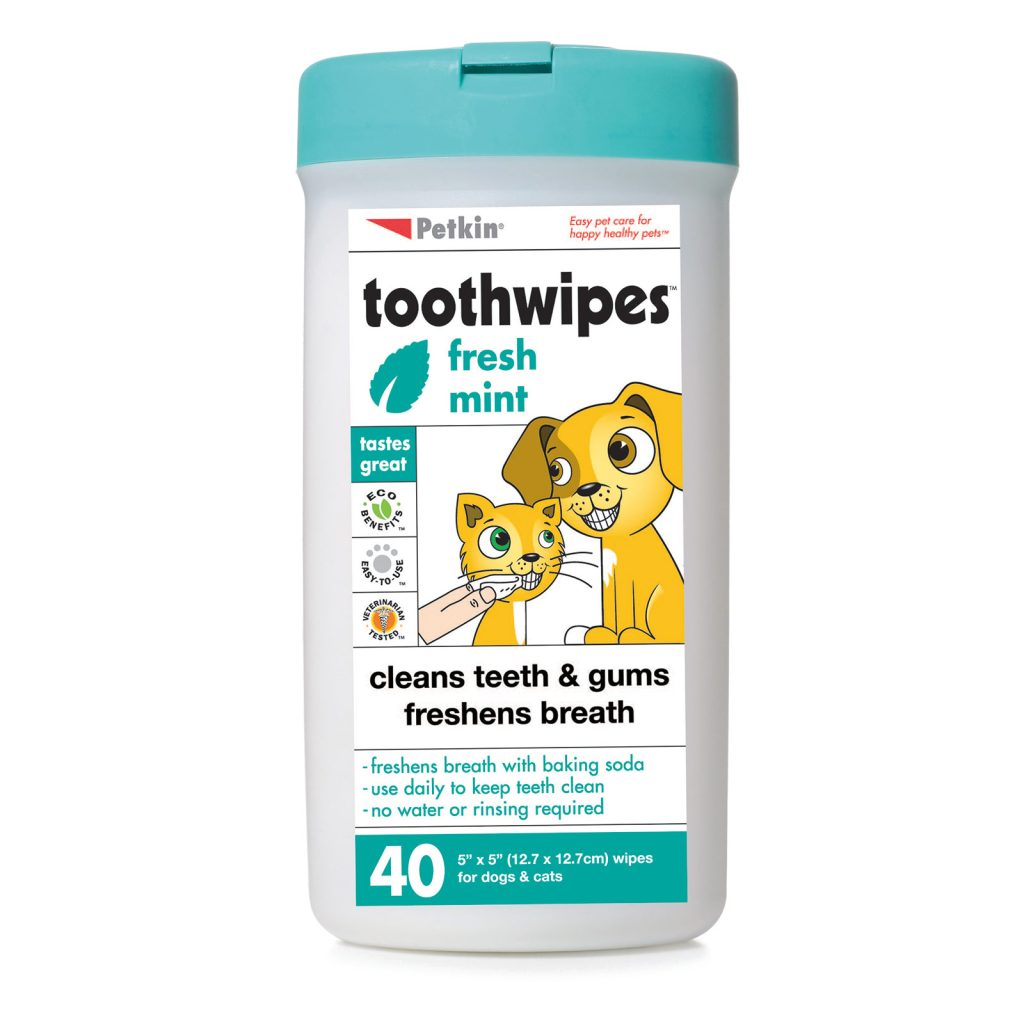
Daily brushing is the gold standard for cat dental care. Start by getting your cat accustomed to having their mouth touched and gradually introduce toothpaste and a toothbrush designed for felines. Gently brush the teeth in a circular motion, focusing on the gumline. Finger brushes, dental wipes and food additives can be alternatives if your cat resists traditional brushes.



Incorporating Dental Treats and Toys
Dental treats and toys designed to promote chewing can help maintain your cat's oral health. These products encourage natural chewing behaviour, which helps remove plaque and tartar build-up. Be sure to choose treats and toys that are appropriate for your cat's age, size, and dental health needs.



Feeding Dental-Focused Cat Food
Certain cat foods are specially formulated to support dental health. These foods often have a kibble shape that helps clean teeth as your cat chews. Look for options with ingredients that reduce tartar buildup and support gum health.


Signs of Dental Problems in Cats
Recognizing the signs of dental problems in cats is crucial for ensuring their oral health and overall well-being. Cats are experts at hiding discomfort, so being attentive to changes in their behavior, eating habits, and appearance can help you identify potential dental issues early. Here are some common signs that may indicate dental problems in cats:
Bad Breath (Halitosis): Persistent bad breath is often a strong indicator of dental issues such as gum disease or infections. If your cat's breath suddenly becomes noticeably foul, it's time to investigate.
Changes in Eating Habits: Cats with dental problems may show changes in their eating behaviors. They might chew food more slowly, chew on one side of the mouth, drop food from the mouth, or even avoid eating altogether due to pain.
Pawing at the Mouth: If your cat frequently paws at their mouth or face, it could be a sign of oral discomfort. They may be trying to alleviate pain or irritation.
Drooling: Excessive drooling or hypersalivation can be indicative of oral pain or dental disease. If you notice wet patches on your cat's fur or an increase in saliva, consult a veterinarian.
Red or Swollen Gums: Inflamed or reddened gums along the gum line are signs of gingivitis, a common dental issue in cats. These symptoms may also extend to the back of the mouth.
Bleeding Gums: Bleeding from the gums, especially when your cat eats or chews on toys, indicates gum inflammation and potential dental problems.
Difficulty Chewing: Cats experiencing dental problems might have difficulty chewing their food, leading to a preference for softer foods or a decrease in food intake.
Weight Loss: Dental pain can discourage cats from eating, leading to weight loss. If your cat is losing weight despite having an appetite, dental issues might be to blame.
Changes in Behaviour: Cats in pain may exhibit changes in behaviour. They might become more irritable, avoid being touched around the head, or retreat to quieter places in the house.
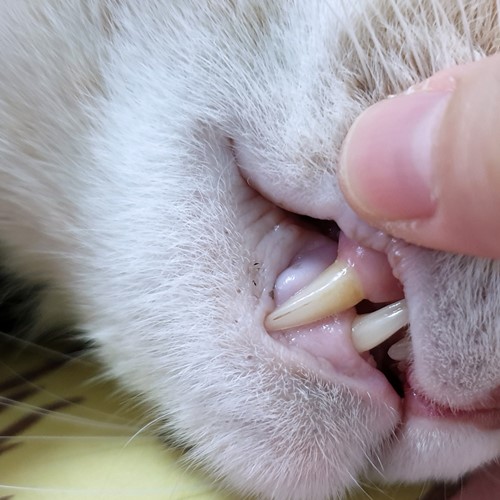
Visible Tartar or Plaque: Inspect your cat's teeth for visible signs of plaque or tartar buildup, especially along the gumline.
Missing or Loose Teeth: If you notice missing or loose teeth, it's a clear sign of dental problems. Tooth resorption, decay, or injury might be contributing factors.
Facial Swelling: Swelling on the face, particularly around the mouth or jaw, can indicate an abscess or infection.
Change in Vocalisation: Cats in pain may alter their vocalisations. If you notice changes in meowing, growling, or other vocalisations, it could be a sign of discomfort.
Excessive Grooming: Cats might groom excessively as a response to oral discomfort. Over-grooming can lead to fur loss, particularly on the front paws and face.
Refusal to Be Touched Around the Mouth: If your cat becomes sensitive or resistant to being touched around the mouth, it could be due to dental pain.
Professional Dental Cleanings for Cats
Regular professional dental cleanings under anaesthesia are essential for maintaining your cat's oral health. A veterinarian will perform a comprehensive cleaning, scaling, and polishing, addressing both visible and hidden dental issues.
When to See a Vet
If you notice any signs of dental problems or changes in your cat's behaviour, it's time to consult a veterinarian. Early intervention can prevent dental issues from worsening and causing unnecessary discomfort.
Cat dental care is an integral part of ensuring your feline friend's well-being. By implementing a comprehensive dental care routine that includes regular brushing, appropriate treats, toys, and professional cleanings, you can enhance your cat's quality of life and minimise the risk of dental issues.
Remember that preventive care and early intervention are key to maintaining your cat's beautiful smile and overall health. Your efforts will be rewarded with a happier, healthier, and more contented feline companion.