Signs of Anxiety in Dogs
As pet owners, we all want to ensure our furry friends are happy and healthy. However, noticing a sudden change in your dog's behaviour can be daunting. Dogs can experience anxiety, and it can impact all dogs differently, leading to other health issues if left untreated. It's crucial to recognise the signs of an anxious dog to ensure they receive the proper care they need.
Common signs of anxiety in dogs can include excessive barking, panting, shaking, or pacing. Your dog may also show avoidance behaviours, such as hiding or refusing to eat. If you're unsure if your dog is exhibiting anxiety symptoms, don't worry. The Budget Pet Products team has everything you need to know about how to treat anxiety in dogs, with our vast range of stress and anxiety solutions for dogs.

What Causes Anxiety in Dogs
Anxiety in dogs can be caused by various factors, including:
- Separation from their owners
- Fear of loud noises or unfamiliar surroundings
- Traumatic experiences
- Lack of socialisation
- Medical conditions
It's important to identify the cause of your dog's anxiety to provide the proper treatment.
Visual Signs of Anxiety in Dogs
Visual signs of anxiety in dogs can include:
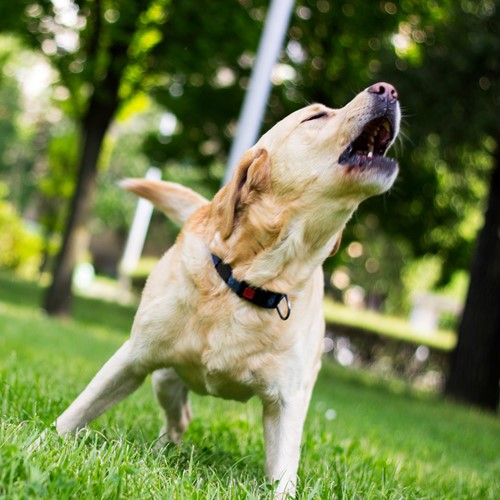
- Excessive barking or howling
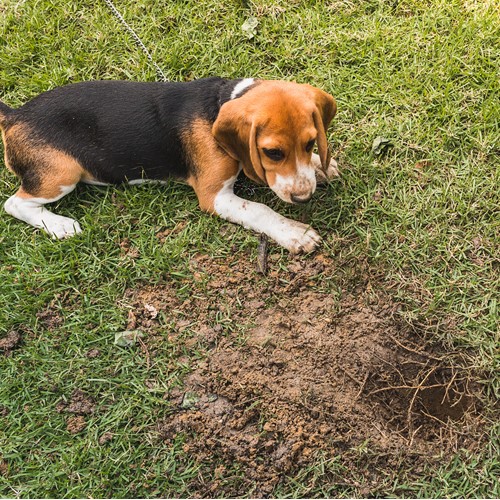
- Destructive behaviour
- Pacing or restlessness
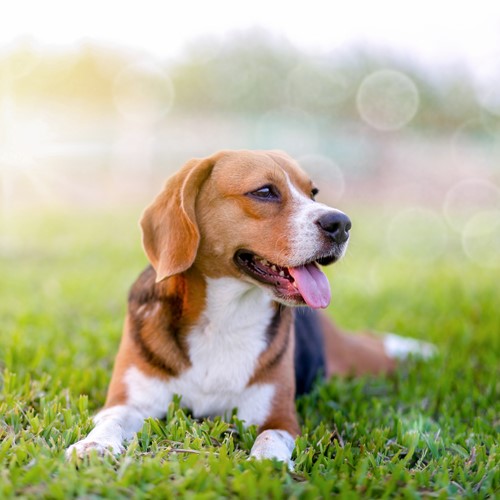
- Panting or drooling
- Tail tucking or cowering
- Shaking or trembling
These behaviours can sometimes be mistaken as normal dog behaviour, but it's crucial to recognise them as signs of anxiety. For example, a dog may bark excessively out of excitement, but it can also be a sign of stress or fear.
Dog Anxiety Treatment
Dog anxiety treatments can include:
Vitamins & Supplements:
Vitamins and supplements are a popular option for treating anxiety in dogs. CBD oil, melatonin, and L-theanine are some of the most commonly used supplements. These supplements work by promoting relaxation and reducing anxiety in dogs. They can be used as a long-term treatment option for anxiety in dogs. A popular option is the Zylkene Nutritional Supplement For Dogs.

Sprays and diffusers:
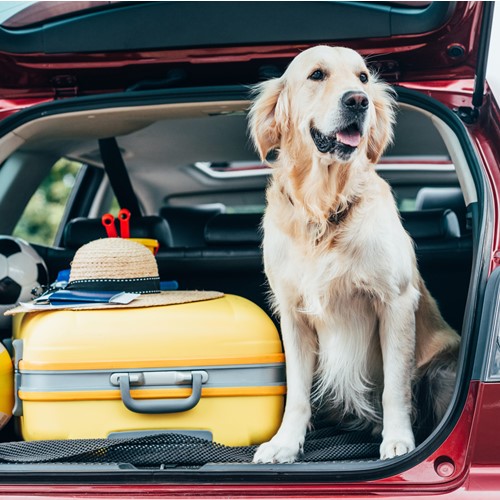
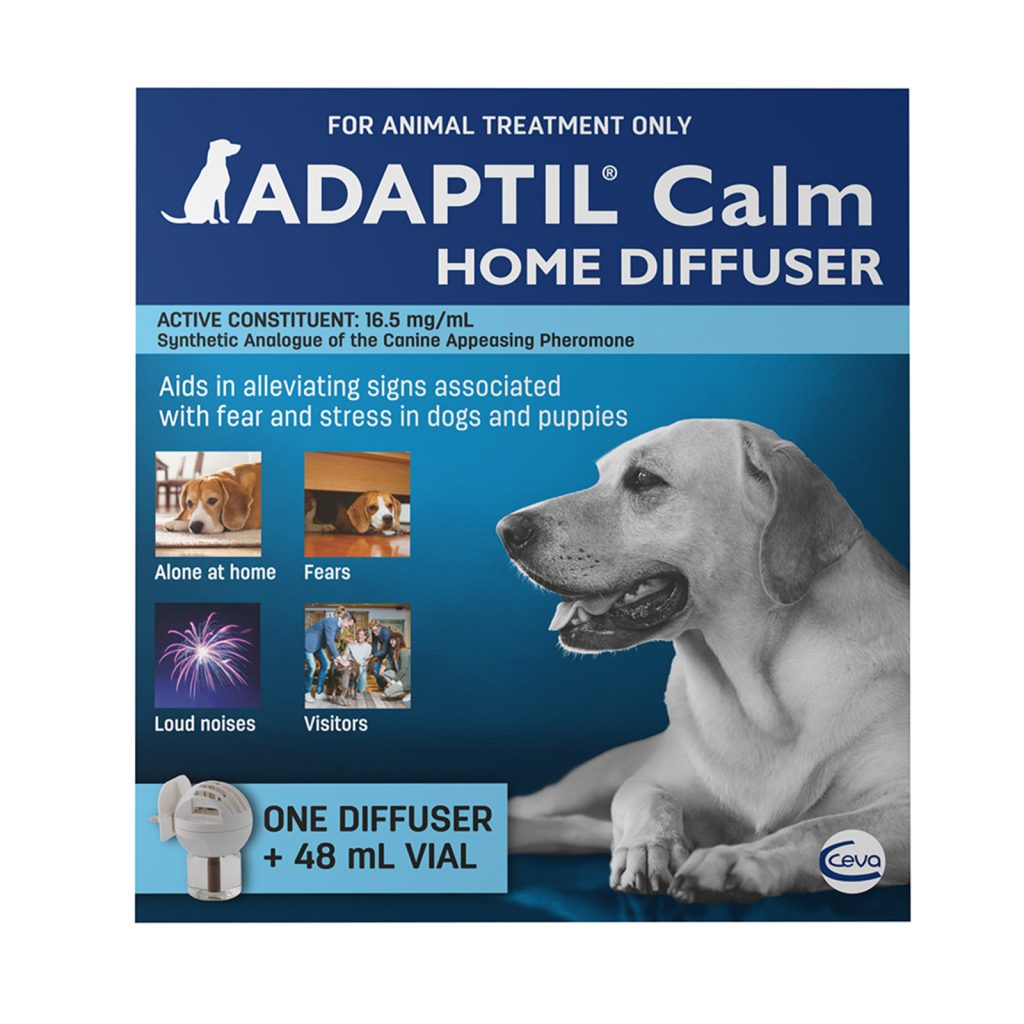
Calming sprays and diffusers release a calming scent that can help to reduce anxiety in dogs. Adaptil is one of the most popular calming sprays and diffusers. The Adaptil Home Diffuser emits a synthetic pheromone that mimics the scent of a lactating mother dog, which can help to reduce anxiety in dogs. Sprays and diffusers can be used as a short-term or long-term treatment for anxiety in dogs. They are often used in situations that are known to trigger anxiety, such as car rides, vet visits, or thunderstorms. It also comes in a collar form (see below).
Stress Relief Treats:
Stress relief treats are a type of dog treat that contains natural ingredients that can help to reduce anxiety. Vetalogica VitaRapid Treats are a popular option. These treats contain a blend of natural ingredients, including tryptophan, chamomile, and ginger, which are known for their calming properties. They also contain omega-3 fatty acids, which can help to support brain health and improve mood. These treats are easy to administer and can be given to your dog daily to help reduce their anxiety levels over time.

Calming Collars:
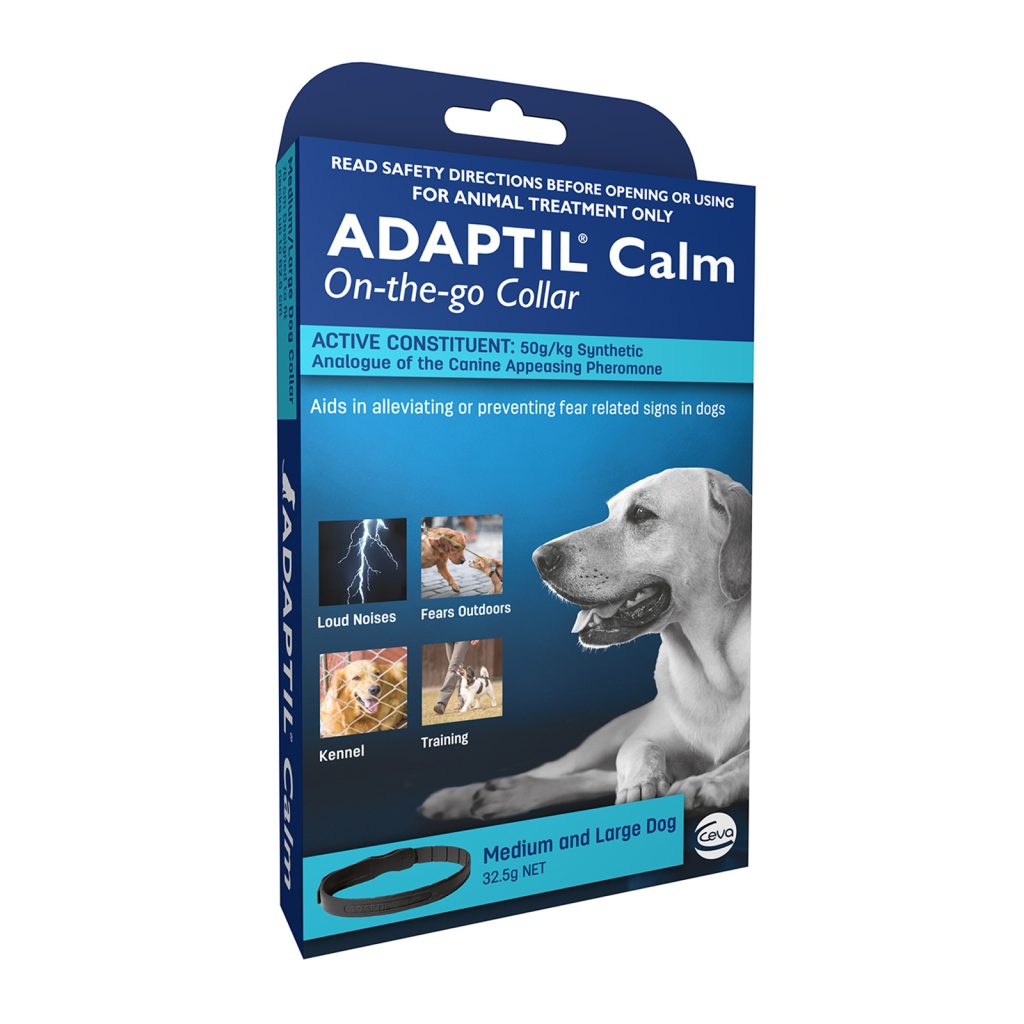
Calming collars are a type of dog collar that contains natural ingredients that can help to reduce anxiety. The Adaptil Calm On-The-Go Collar contains synthetic pheromones that can help to alleviate or prevent fear related behaviour in dogs and puppies. Calming collars can be used as a short-term or long-term treatment for anxiety in dogs. They are often used in situations that are known to trigger anxiety, such as car rides, vet visits, or thunderstorms.
Calming Coats:
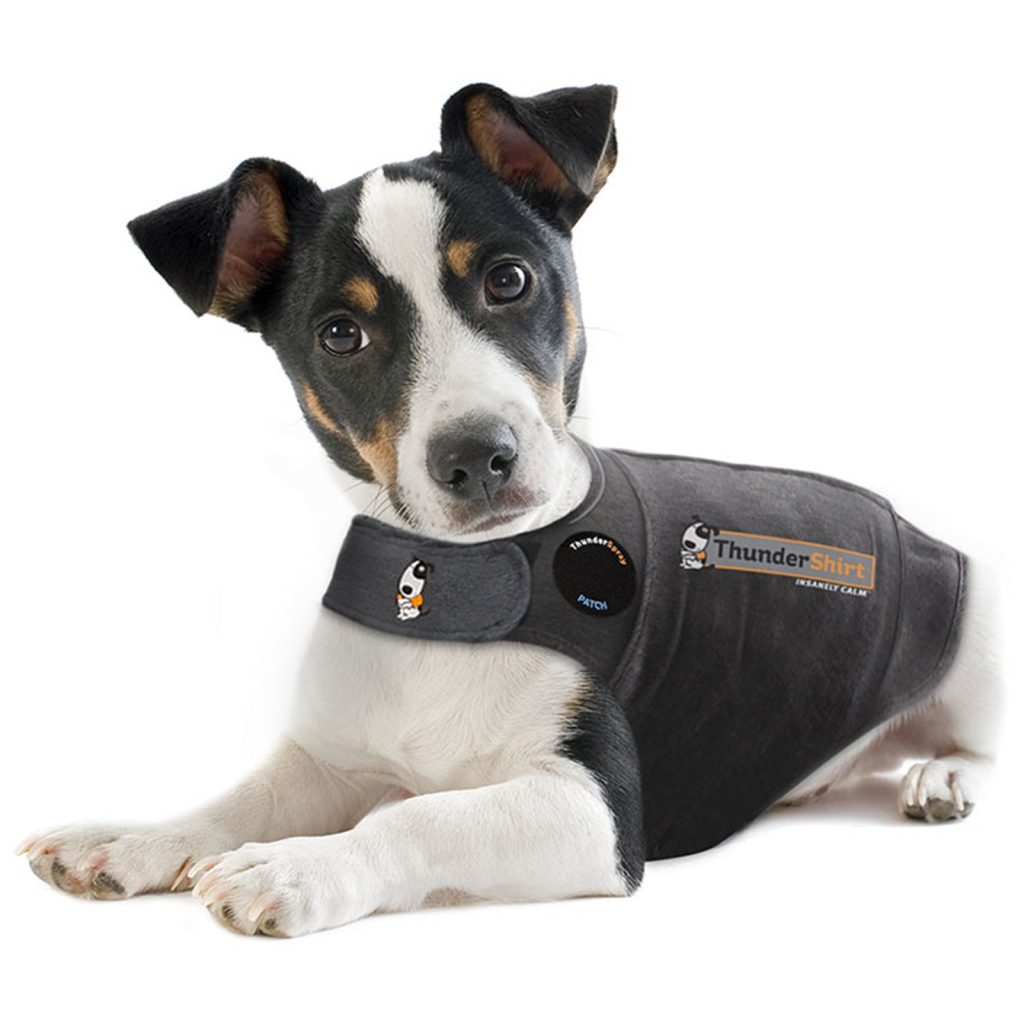
Calming coats are a type of dog coat that applies pressure to the dog's body, which can have a calming effect and reduce anxiety. Thundershirt's gentle, constant pressure can help when a dog becomes anxious, fearful or over excited.
Natural remedies, such as exercise and calming music
Exercise is a great way to help your dog burn off excess energy and reduce anxiety. It can also help to promote relaxation and improve overall well-being. Regular exercise, such as daily walks or runs, can help to reduce stress and anxiety in dogs. Mental stimulation is also an important part of a daily exercise routine for your dog. Calming music can also help to soothe anxious dogs. Studies have shown that music with a slower tempo and lower pitch can help to reduce stress and anxiety in dogs.
Behavioural training, such as desensitisation and counterconditioning:
Behavioural training is another option for treating anxiety in dogs. Desensitisation and counter conditioning are two common techniques used in behavioural training. Desensitization involves exposing the dog to the source of anxiety in a controlled and gradual manner. For example, if your dog is afraid of thunderstorms, you might play a recording of thunder at a low volume and gradually increase the volume over time.
Counterconditioning involves pairing the source of anxiety with something positive, such as treats or toys. For example, if your dog is afraid of the vet, you might give them treats or toys during vet visits to create a positive association. Behavioural training can be a long-term treatment option for anxiety in dogs, but it requires patience and consistency.
Preventing Dog Anxiety Before It Happens
Preventing dog anxiety before it happens is crucial. Here are some tips to ensure your dog doesn't develop anxious habits later in life:
Socialise your dog from an early age: Exposing your dog to new people, animals, and environments can help them develop confidence and reduce anxiety.
Use positive reinforcement training methods: Rewarding good behaviour with healthy dog treats can help reinforce positive habits and reduce anxiety.
Provide plenty of exercise and mental stimulation, with daily walks, plenty of playtime and the incorporation of interactive dog toys into their routine. A tired dog is a happy dog, and regular exercise and mental stimulation can help reduce anxiety by providing your dog with an outlet for their energy and a healthy distraction from stressors.
Establish a routine for your dog: Dogs thrive on routine and predictability. Establishing a consistent routine can help reduce anxiety.
Provide a safe and comfortable environment: Ensuring your dog has a safe and comfortable place to call their own can reduce anxiety and provide them with a sense of security.
Proper nutrition for dogs is essential in helping to reduce stress and anxiety as it can impact their overall physical and mental well-being. A balanced diet with essential nutrients can help regulate your dog's mood and behaviour, leading to a happier and healthier pup.
When Should You Speak to a Vet about Dog Anxiety
If your dog's anxiety is interfering with their daily life or causing significant distress, it's time to speak to a veterinarian. They can help diagnose and treat your dog's anxiety and provide guidance on managing their behaviour.
Looking for More Dog Anxiety Products
At Budget Pet Products , we understand the importance of ensuring your furry friend's happiness and wellbeing. That's why we offer a wide range of solutions for stressed dogs, to help manage their anxiety. From calming sprays to pheromone diffusers, we have everything you need to help your dog feel calm and comfortable. Contact us today to learn more about how to help a dog with anxiety so that your furry friend can live their best life.