Osteoarthritis in Pets: How to Recognise It Early and Support Your Pet for Life
19 February, 2026 By Dr Elise Barry

Osteoarthritis is one of the most common yet overlooked health conditions affecting pets. While many owners associate stiffness and slowing down with “normal ageing,” these changes are often signs of chronic joint pain. Osteoarthritis is the leading cause of long-term pain in dogs, and studies show that 20% of dogs have at least one joint affected by arthritis from as early as one year of age, rising to 90% of senior dogs.
Understanding how osteoarthritis develops—and how to manage it—can dramatically improve your pet’s comfort, mobility, and overall quality of life.
What Is Osteoarthritis?
Osteoarthritis is a progressive, degenerative joint disease. Healthy joints are cushioned by cartilage, which absorbs shock and allows smooth movement. When this cartilage becomes damaged, it gradually wears away, leading to painful inflammation and restricted movement.
Key causes include:
- Primary osteoarthritis: Repetitive strain or joint overloading over time
- Secondary osteoarthritis: Structural issues such as hip or elbow dysplasia, past injuries, or surgery
Commonly affected joints:
- Hips
- Knees
- Elbows
Because osteoarthritis worsens over time, early support is essential. Without management, arthritis can reduce a pet’s lifespan by up to 20%.
How Does Arthritis Affect Your Pet?
Many pets with arthritis don’t limp, which makes the condition easy to miss. Instead, owners often notice subtle behaviour changes.
Common signs of arthritis include:
- Slow or stiff rising from rest
- Reluctance to exercise or shortened walks
- Tiring more easily
- Sleeping more than usual
- Difficulty jumping or climbing
- Licking or chewing at joints
- Personality changes or reduced interaction
- Changes in appetite
Although osteoarthritis has no cure, it can be successfully managed to keep pets comfortable for longer.
Managing Osteoarthritis: A Multimodal Approach
Weight Control
Excess weight places significant strain on already painful joints.
Benefits of keeping pets lean:
- Reduced joint pressure
- Improved mobility
- Better response to pain management
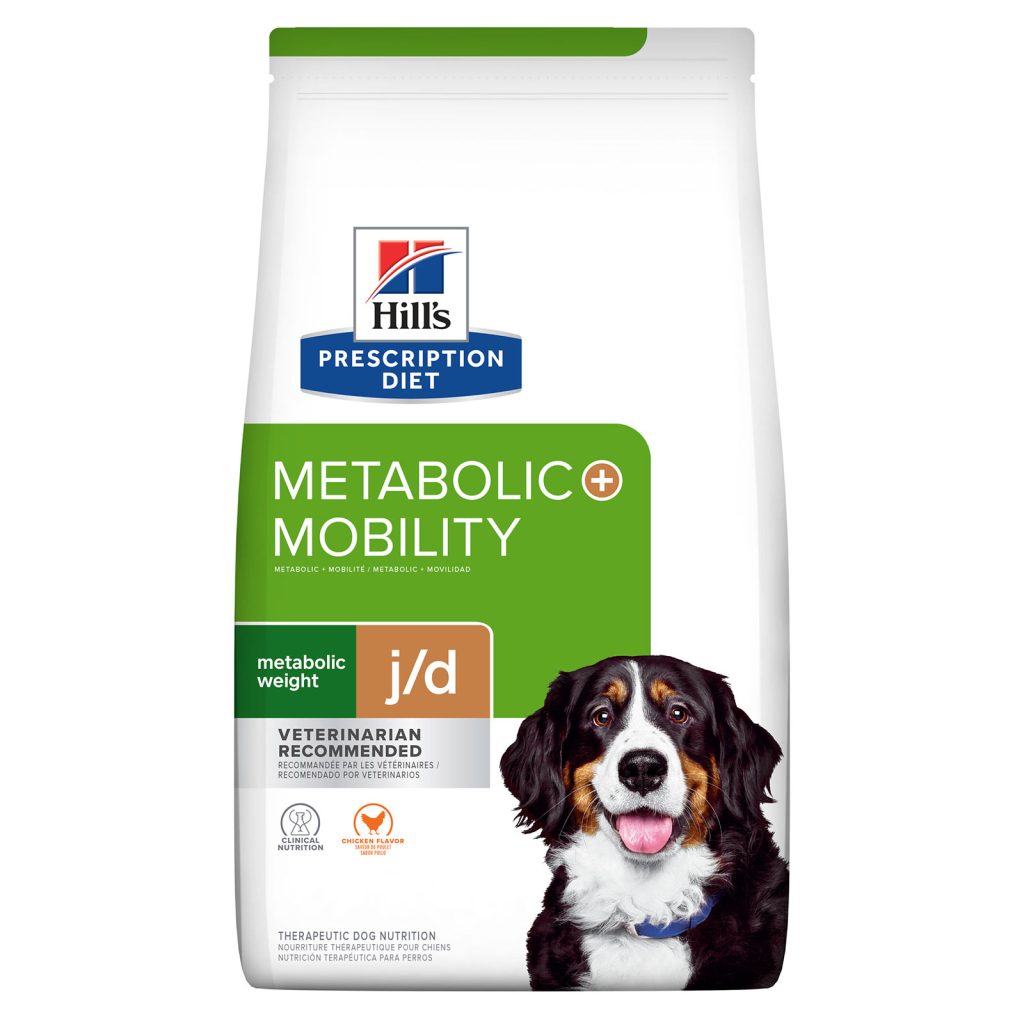
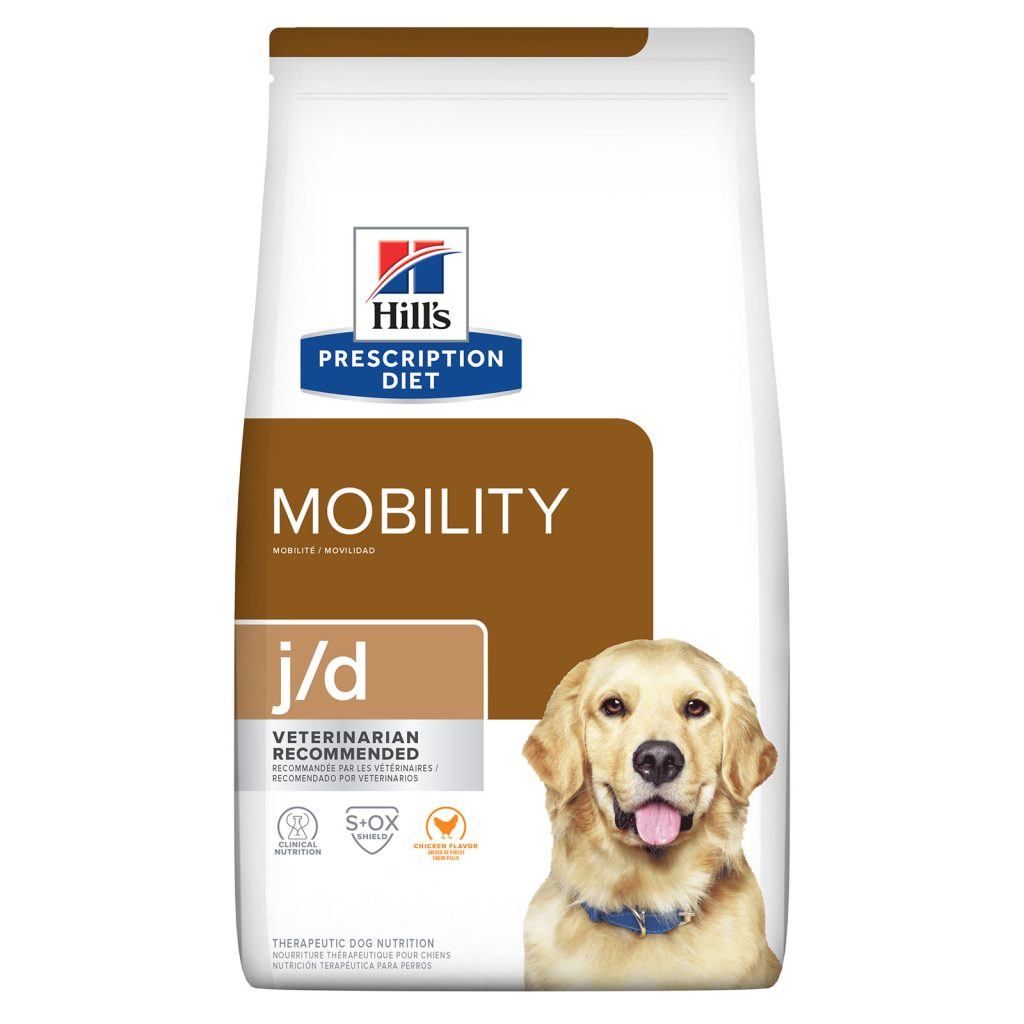
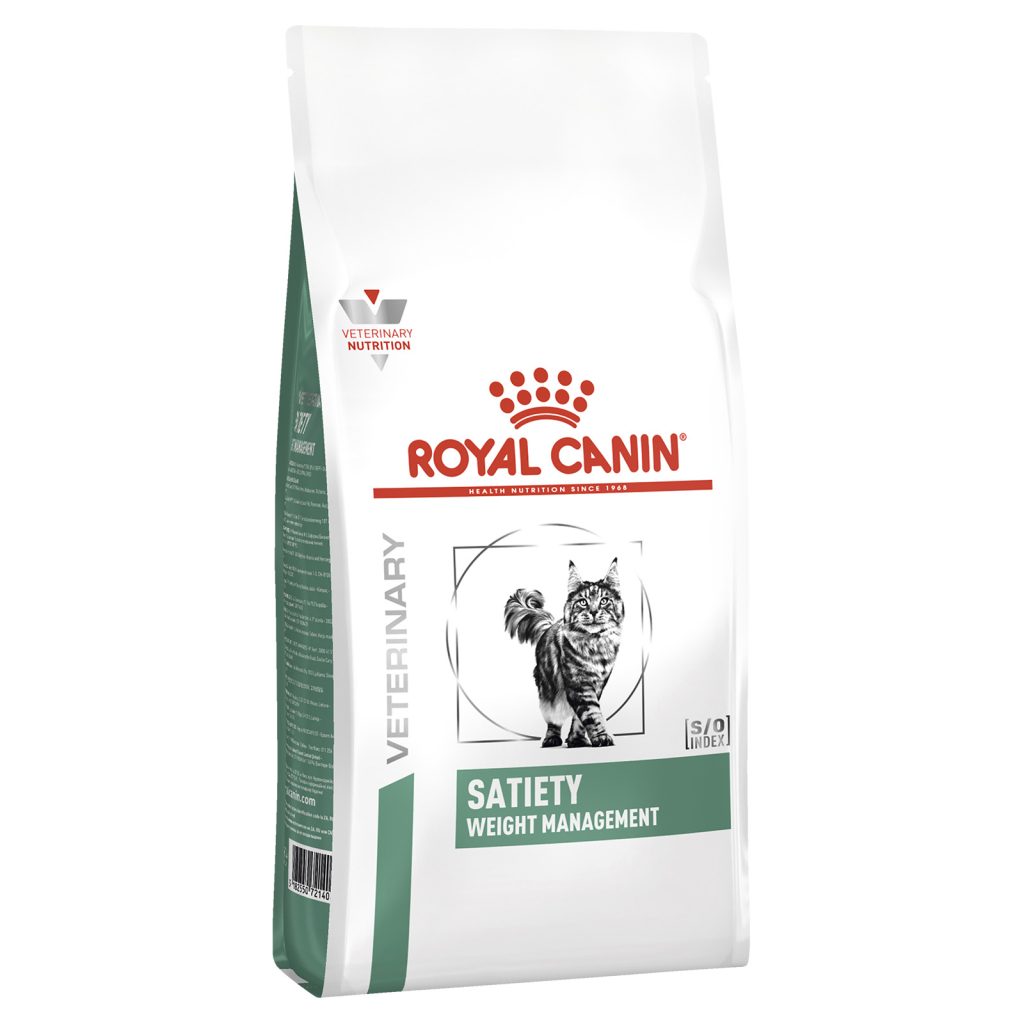
Weight-control and joint-support diets are often recommended as part of long-term care.

Modified Exercise
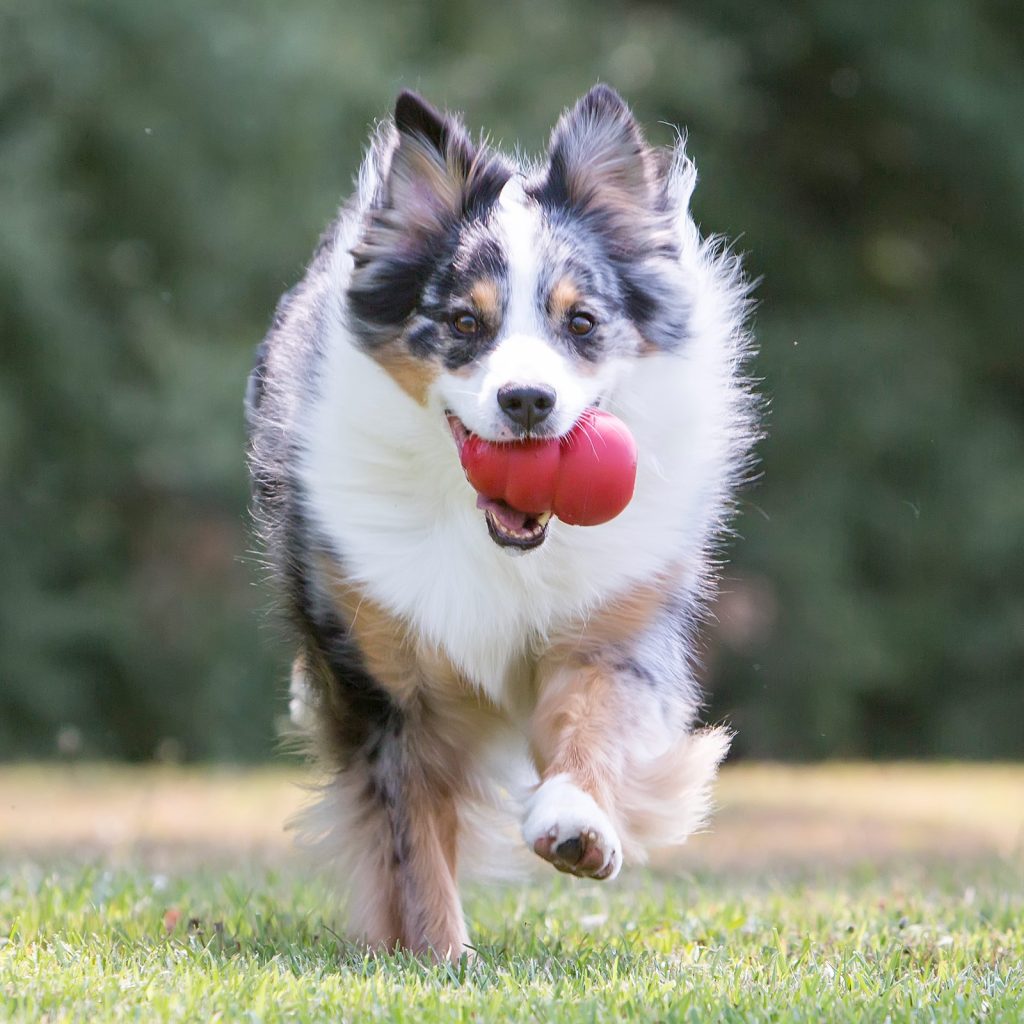
Arthritic pets still need regular activity, but exercise should be adapted.
Recommended activities include:
- Gentle lead walks on soft ground
- Swimming or hydrotherapy
- Shorter, more frequent outings
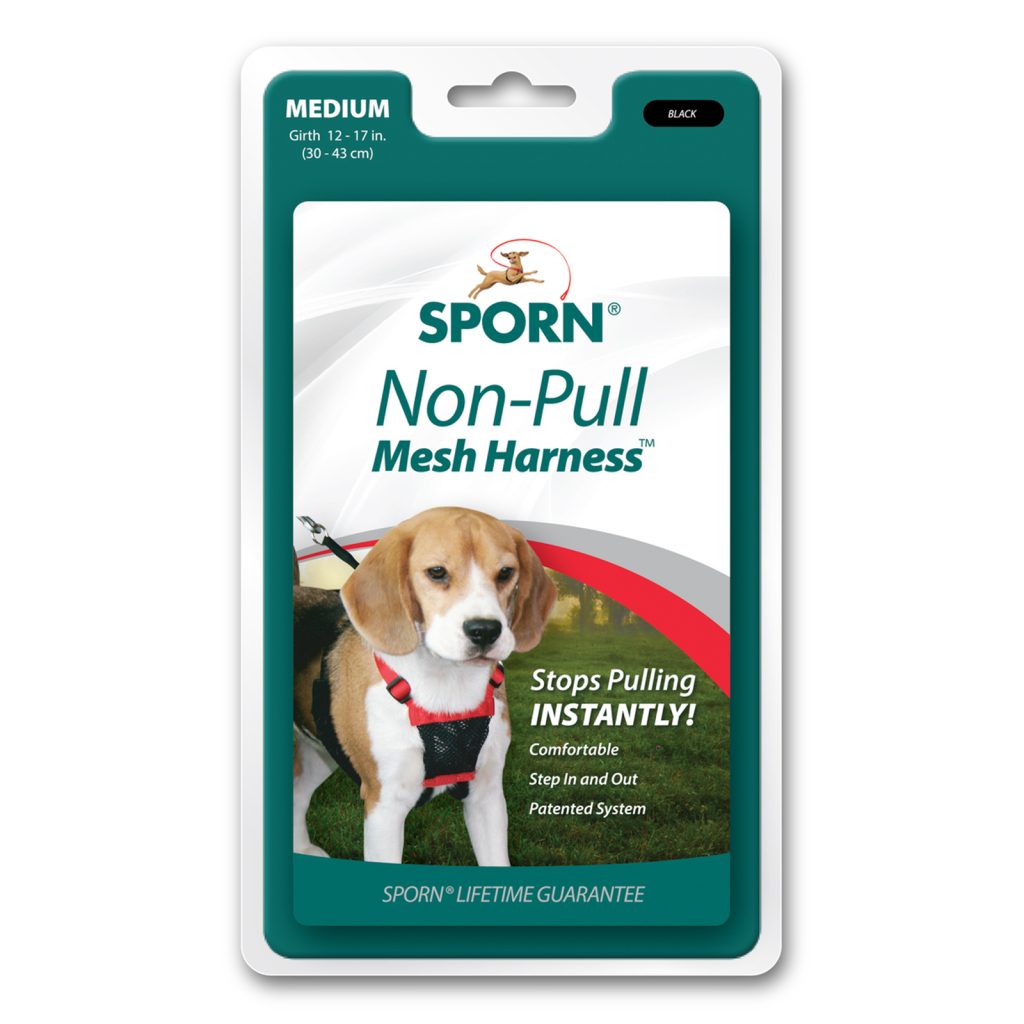
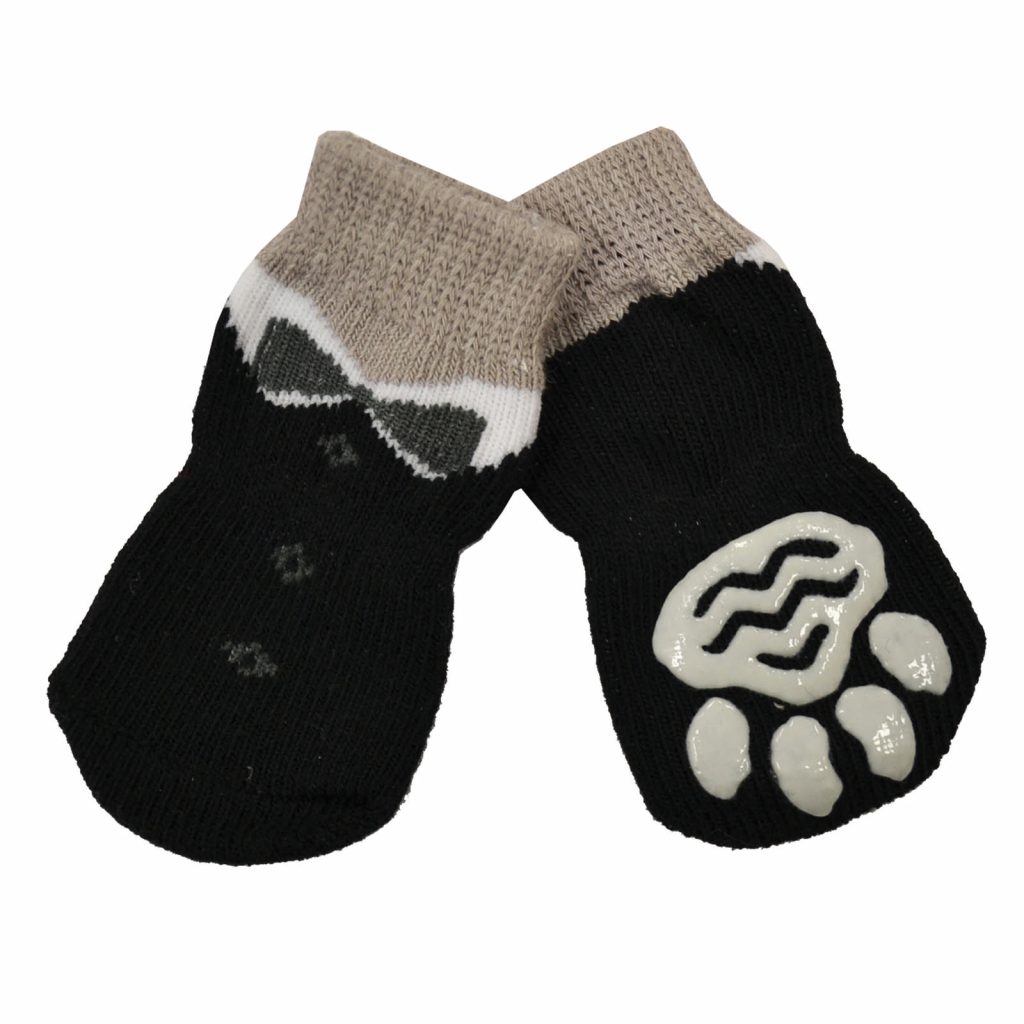
Supportive equipment can help prevent slipping and improve confidence during movement.


Environmental Support
Small changes around the home can greatly improve daily comfort.
Helpful home adjustments include:
- Non-slip mats on smooth floors
- Ramps or pet steps to avoid jumping
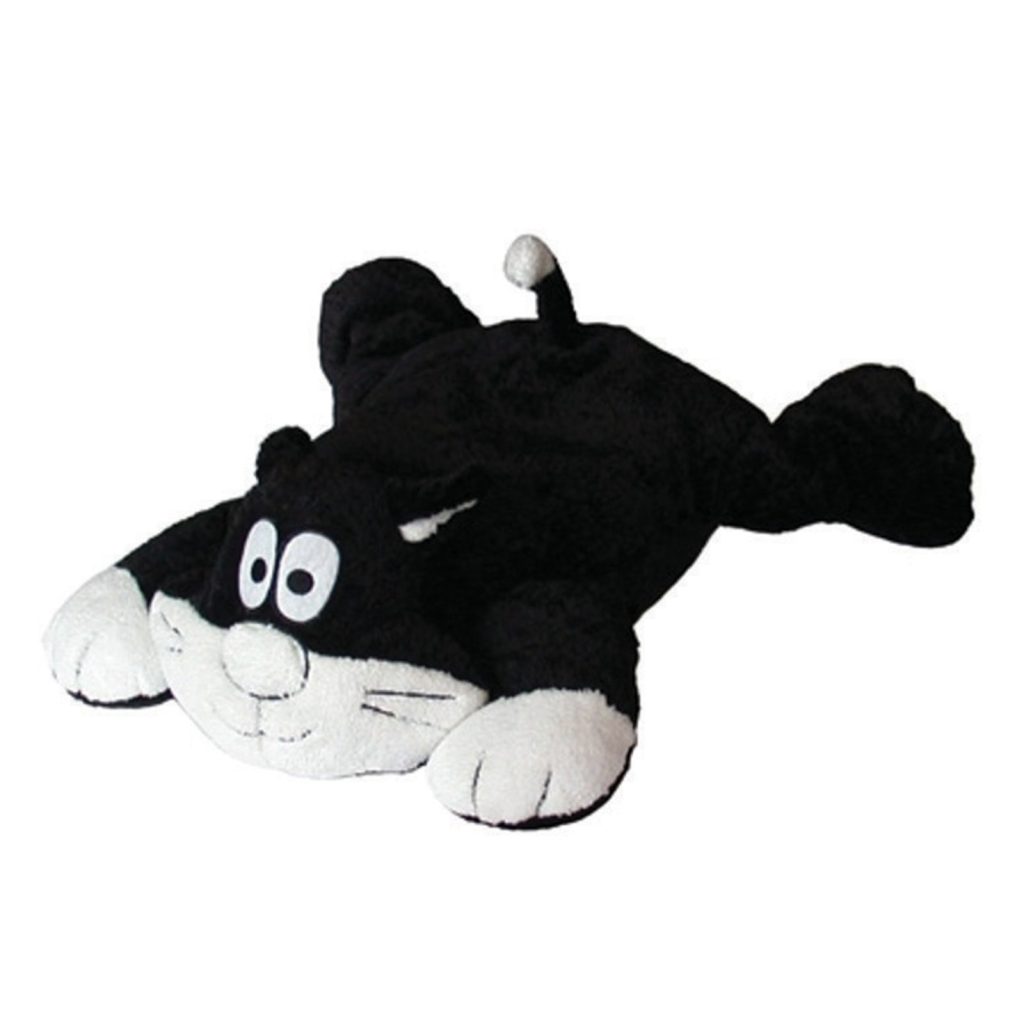
- Supportive, plush bedding
- Heat therapy to reduce stiffness
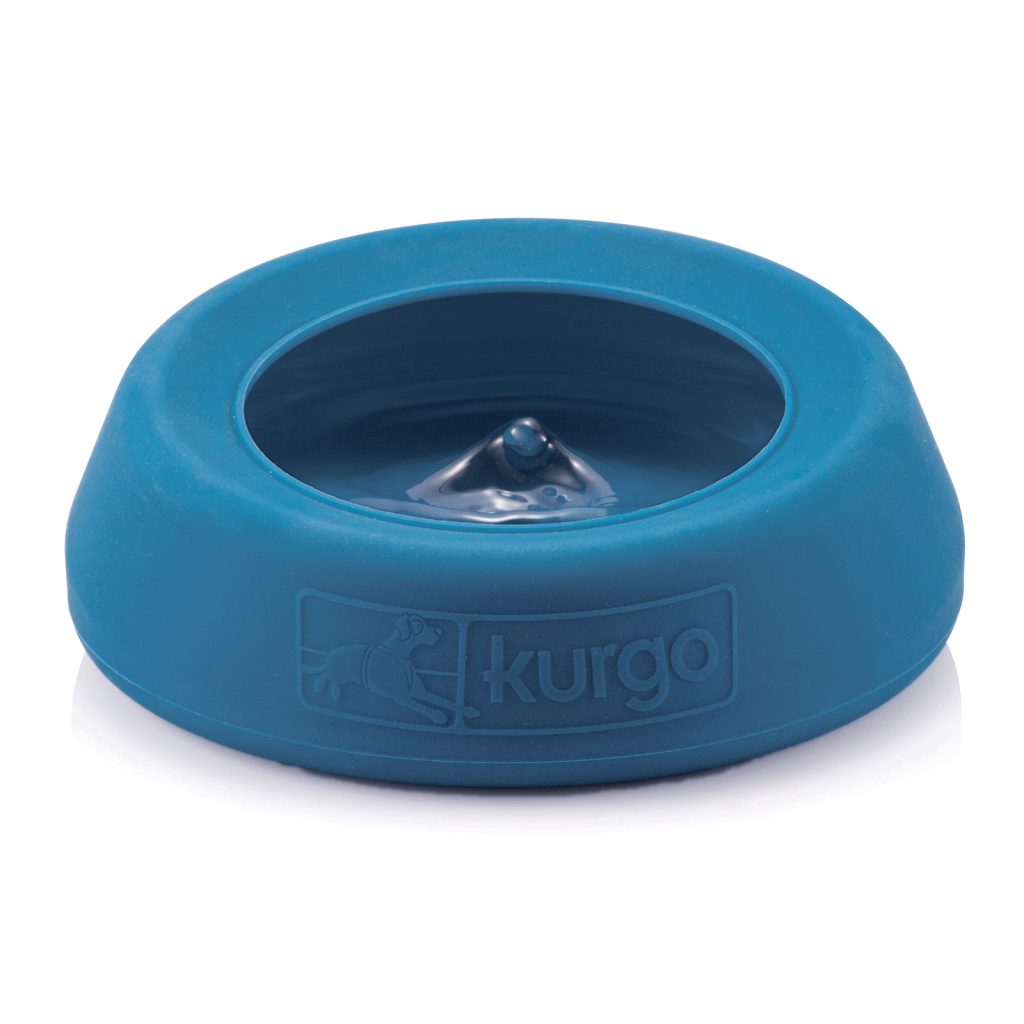
- Easily accessible food and water bowls


The Role of Joint Supplements
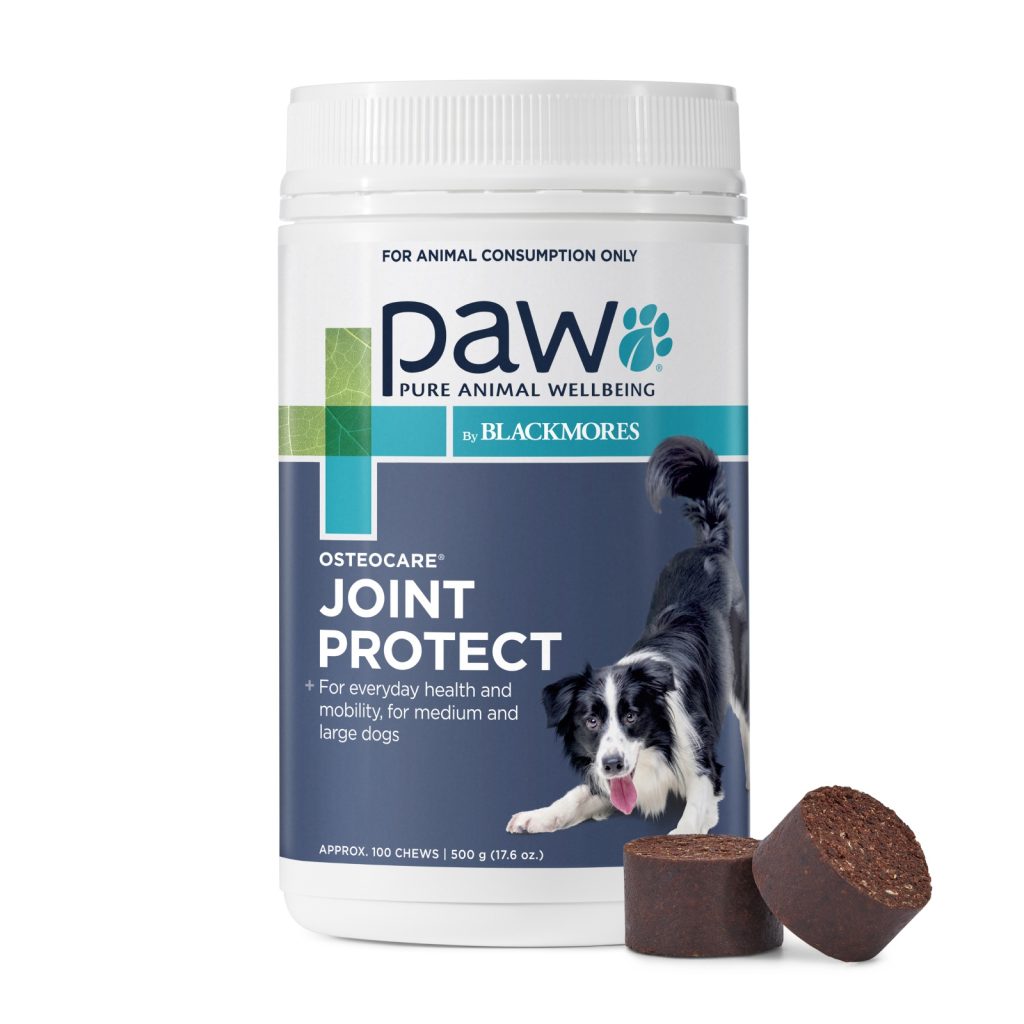
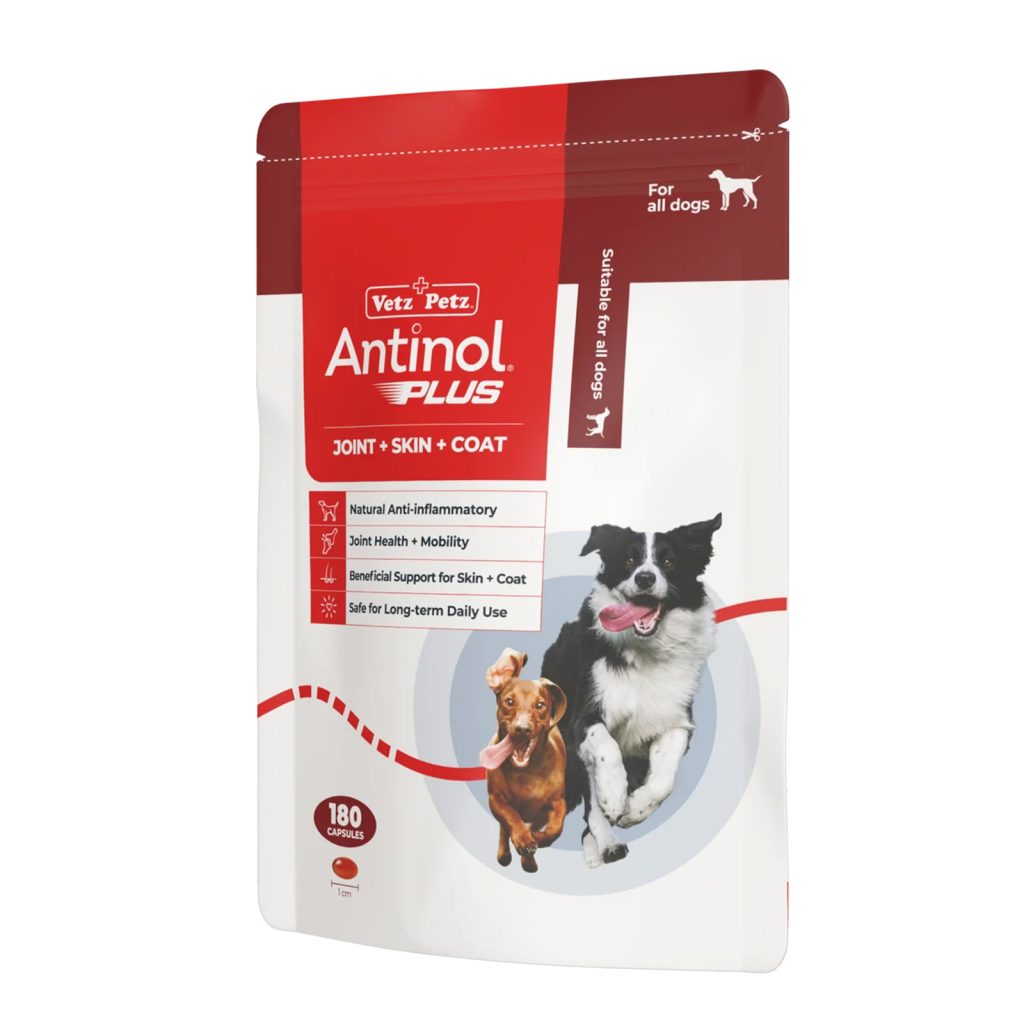
Joint supplements help slow cartilage degeneration, reduce inflammation, and improve mobility. Many vets recommend starting supplements from as early as one year of age, before symptoms appear.
Benefits of consistent supplementation:
- Supports joint health long term
- Delays progression of arthritis
- Improves comfort and quality of life
Consistency is key to seeing results.