How To Fix My Dog's Chewing Problem
Dogs are naturally curious creatures with an instinctive need to chew. Chewing is not just a pastime for dogs but a way to explore their environment, alleviate boredom, soothe teething discomfort, or even manage stress. However, when this behavior extends to chewing on random and inappropriate things such as furniture, shoes, or electrical cords, it can become a significant problem for pet owners. Understanding the reasons behind this behavior and implementing effective strategies is crucial to addressing it and maintaining a harmonious home.
Understanding the Causes of Chewing
To solve the problem of destructive chewing, it is essential first to understand the root cause.

Boredom

Hunger

Curiosity

Teething

Anxiety

Habit
Common reasons include:
- Teething: Puppies chew as a way to relieve the discomfort associated with teething.
- Boredom or Lack of Mental Stimulation: Dogs left alone for long periods without enough to do may resort to chewing as a way to entertain themselves.
- Anxiety or Stress: Separation anxiety or fear can trigger destructive chewing as a coping mechanism.
- Hunger: Dogs on restrictive diets or insufficient nutrition might chew on objects in search of food.
- Curiosity: Especially in puppies, chewing is a way to explore their surroundings.
- Habit or Lack of Training: Without proper guidance, dogs may not know what is acceptable to chew on and what isn’t.
Steps to Solve Chewing on Random Objects
1. Provide Appropriate Chewing Alternatives
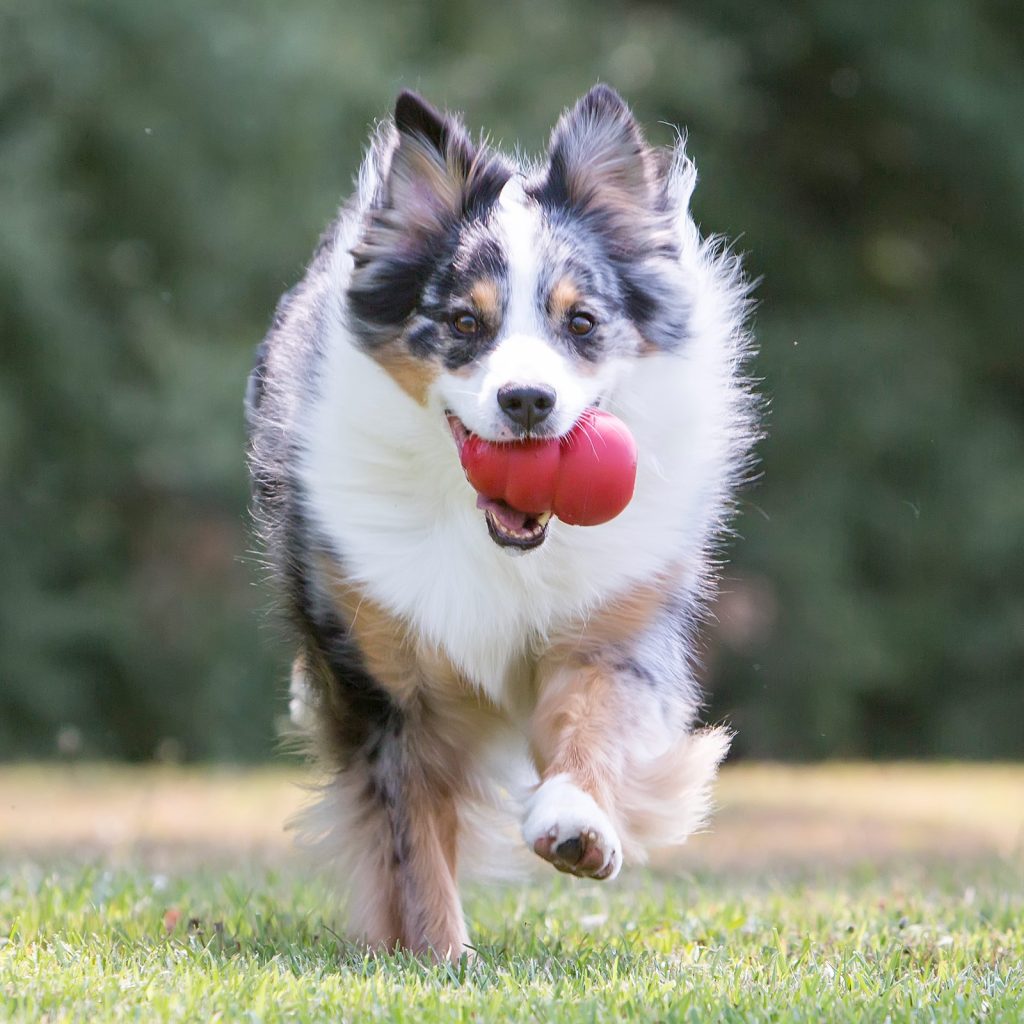
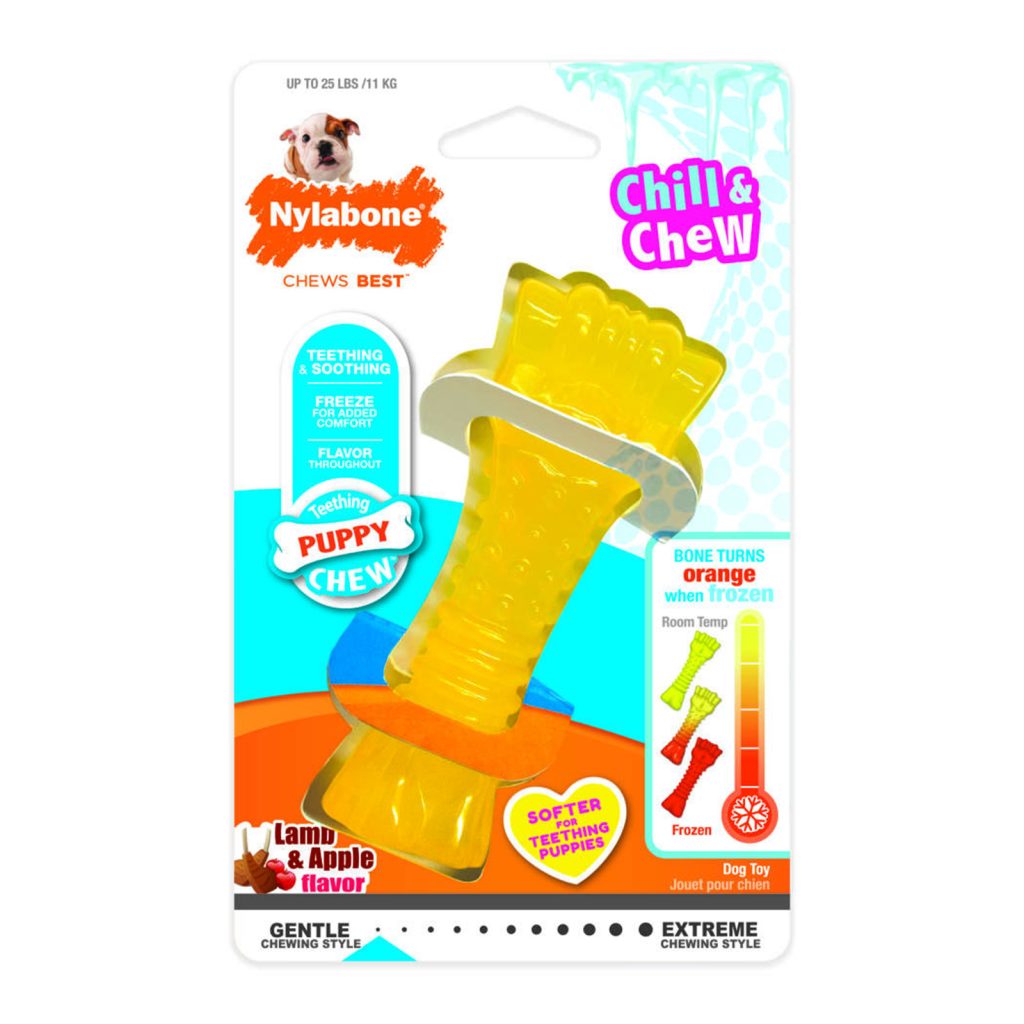
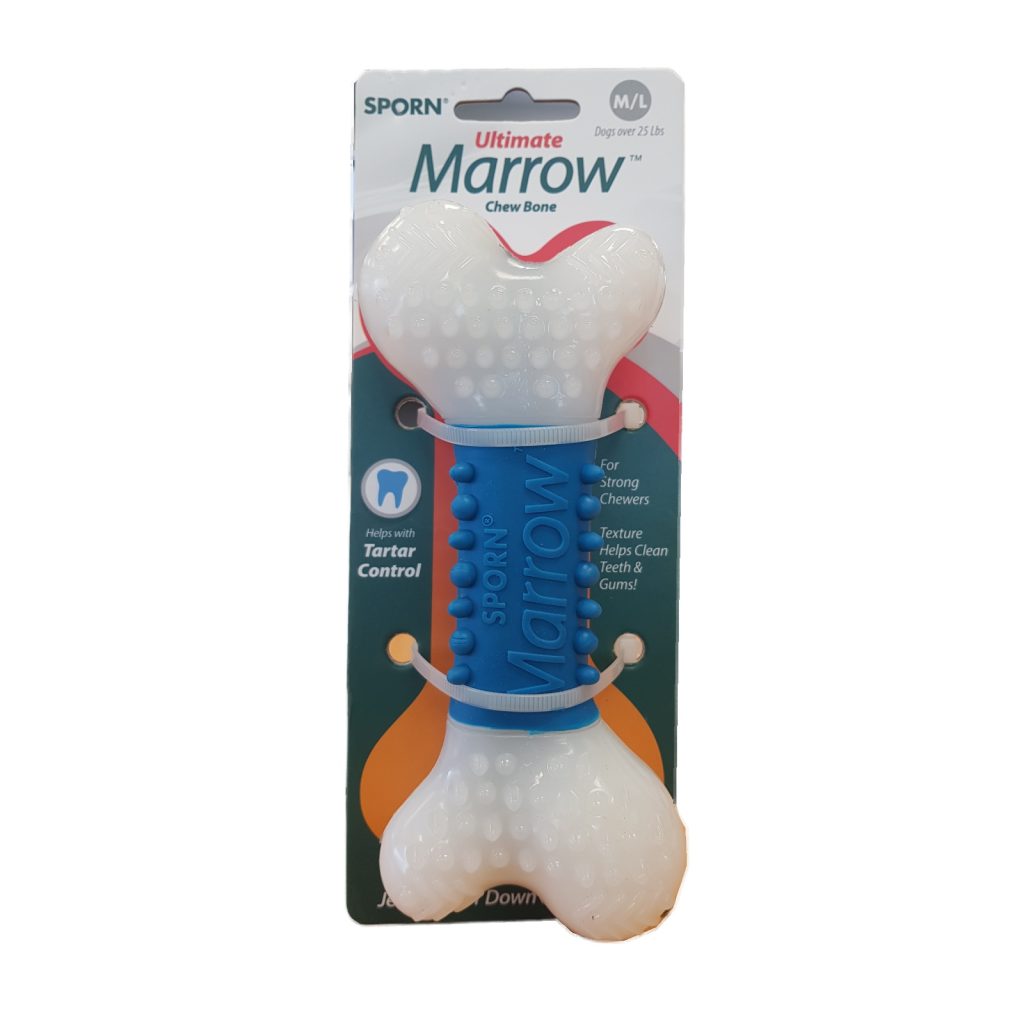
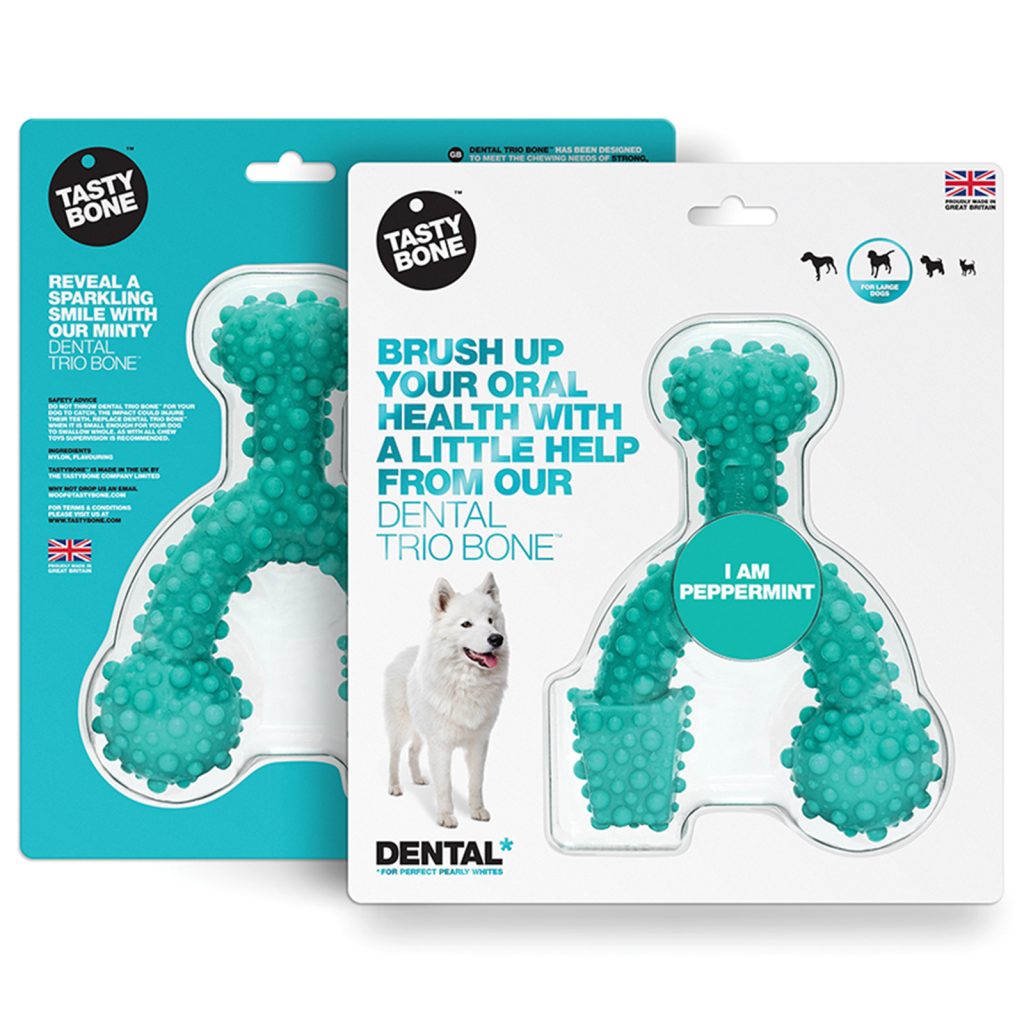
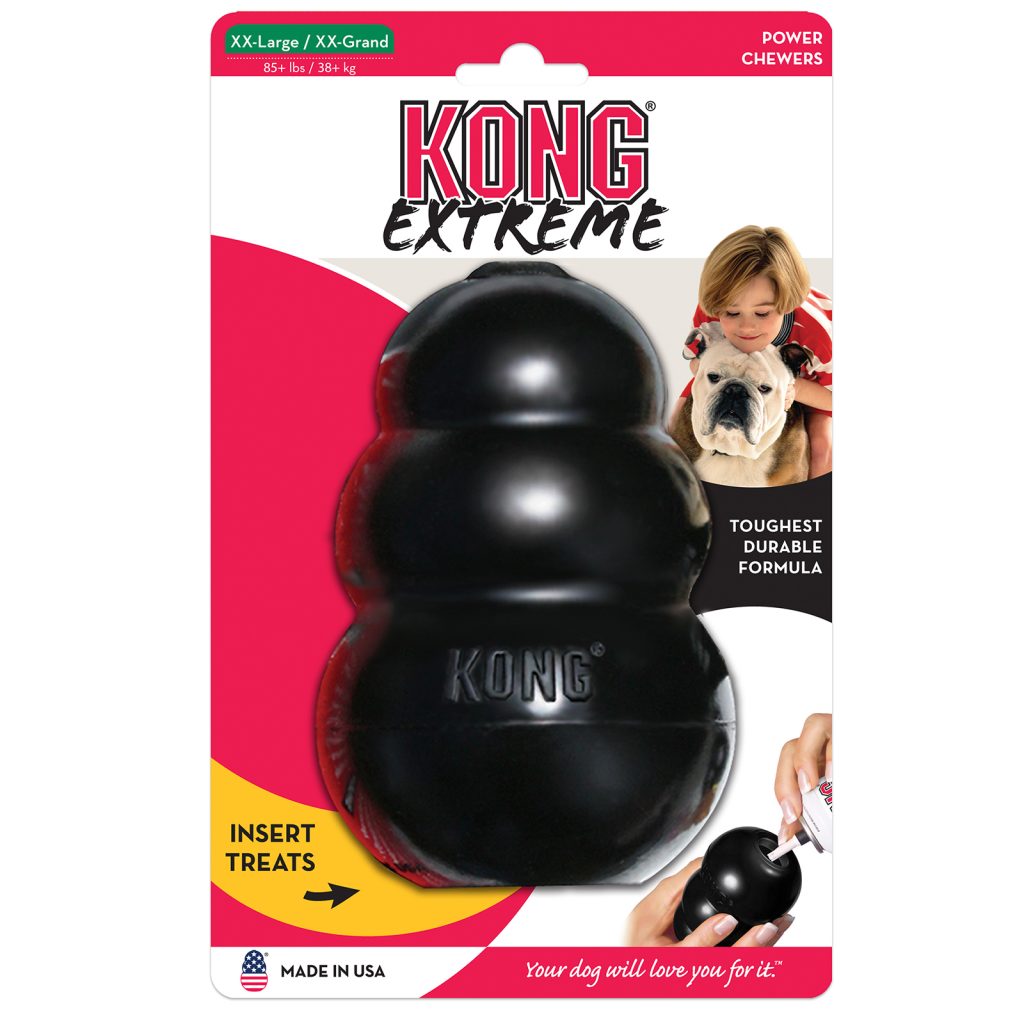
Offering your dog safe and engaging chew toys is a crucial first step. Chew toys should match your dog’s size, chewing strength, and preferences. Rotate toys regularly to keep your dog interested.
2. Exercise and Mental Stimulation
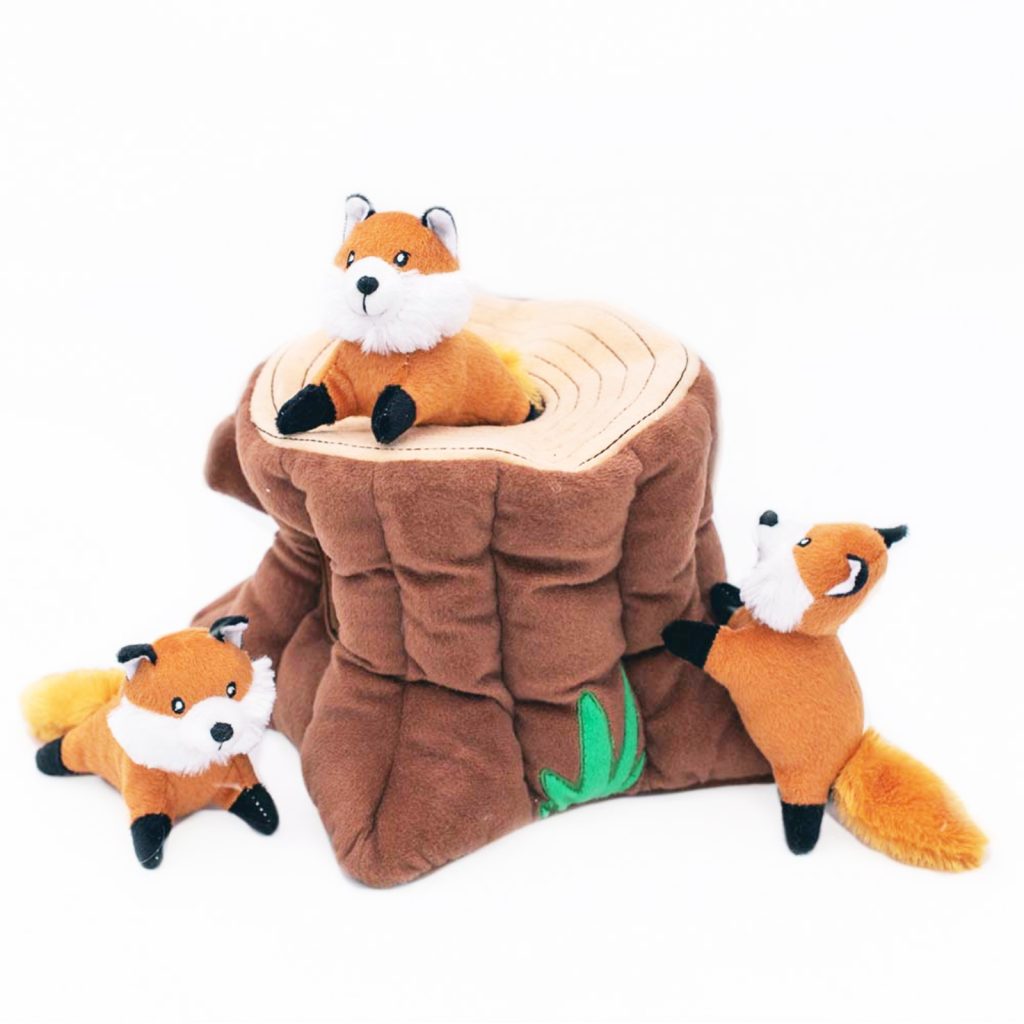
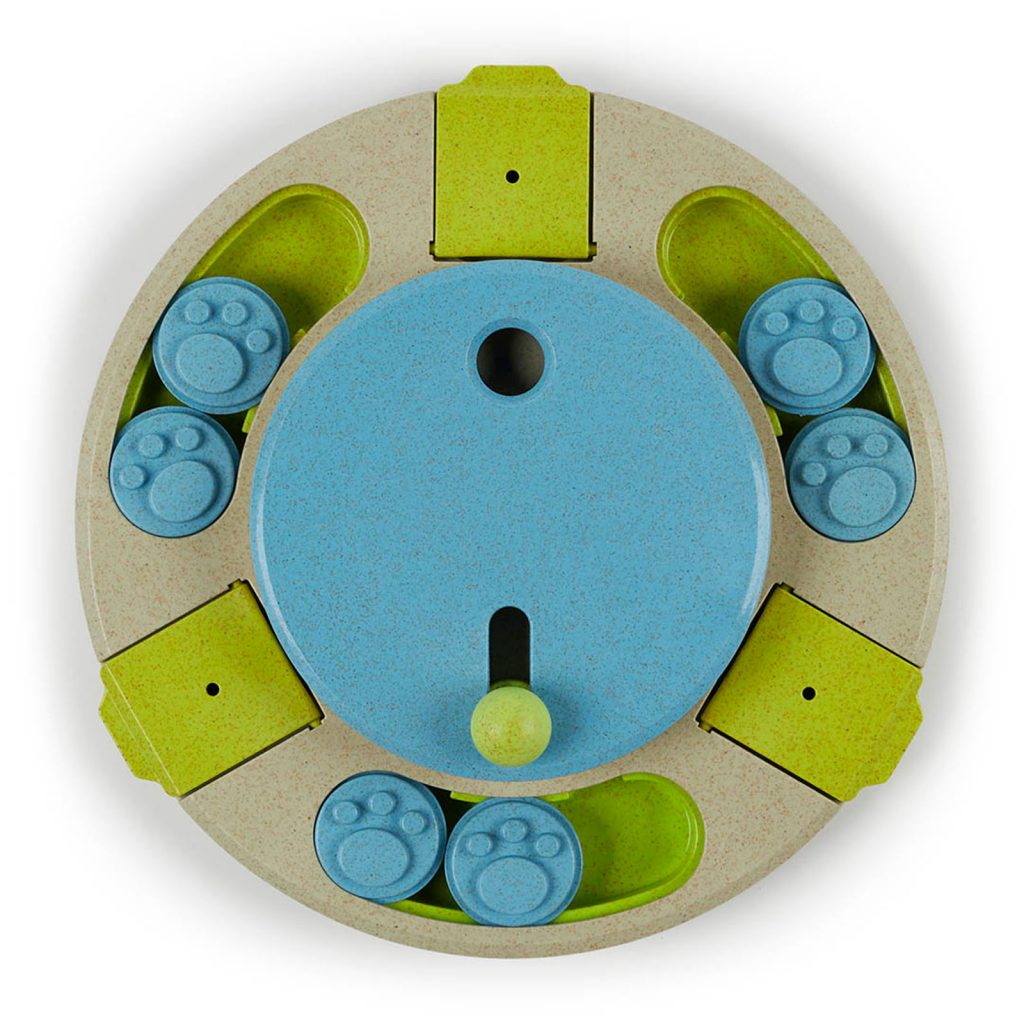
A tired dog is less likely to engage in destructive behavior. Ensure your dog gets enough physical exercise and mental enrichment daily. Activities such as long walks, playtime, or agility training can burn off excess energy. Mental stimulation can be provided through puzzle toys, interactive feeders, or training sessions.
3. Puppy-Proof Your Home
Prevent access to inappropriate chewing targets by "puppy-proofing" your home:
- Store shoes, books, and other tempting objects out of reach.
- Use baby gates or closed doors to restrict access to specific areas.
- Cover electrical cords or use cord protectors to prevent accidents.
4. Address Anxiety and Stress
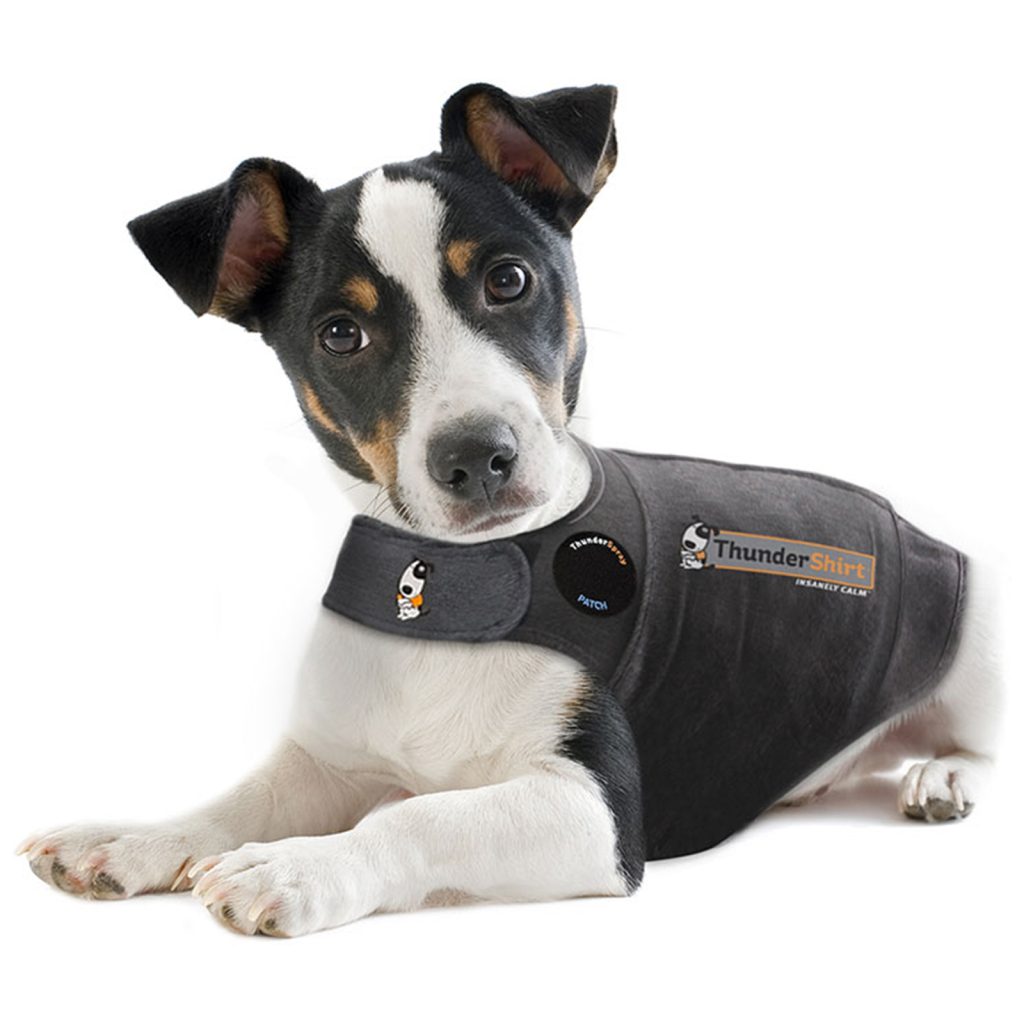
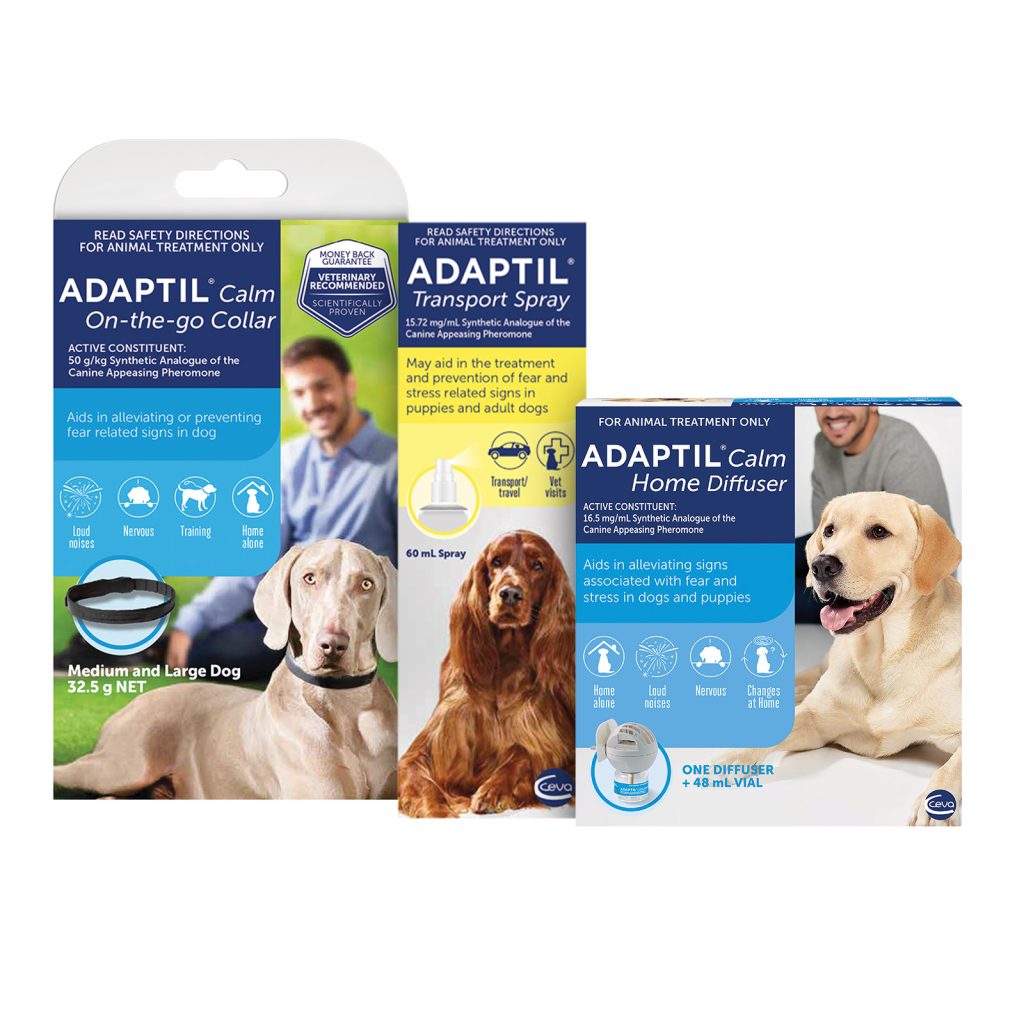
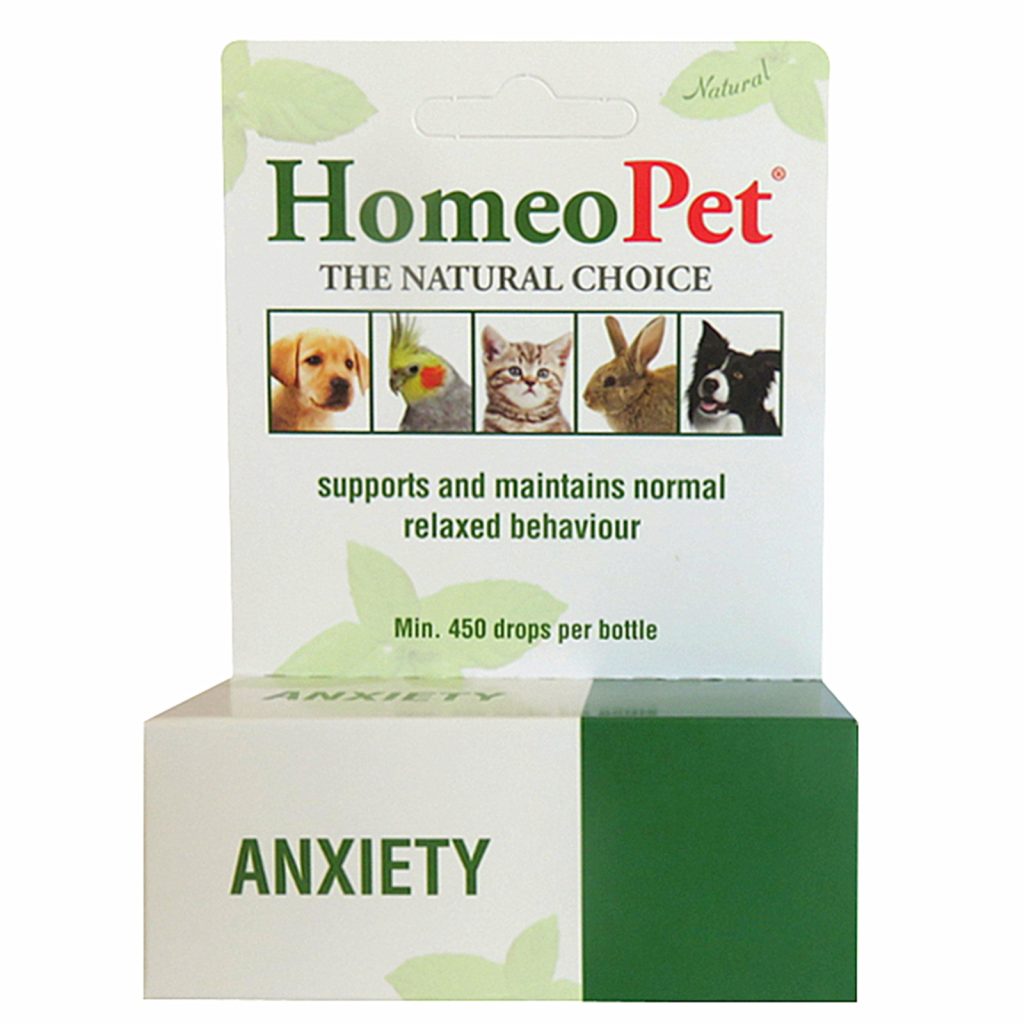
If your dog’s chewing stems from anxiety, it is essential to address the underlying cause. Separation anxiety, for example, can be managed with gradual desensitization training. Providing a safe and comforting space, such as a crate or a designated "dog zone," can also help alleviate stress. For additional support, consider using calming aids like Adaptil diffusers, calming collars, or natural supplements.
5. Supervise and Redirect
Closely supervise your dog, especially during the training phase. If you catch your dog chewing on an inappropriate object, calmly redirect them to an appropriate chew toy. Praise and reward them when they chew on the correct item to reinforce positive behavior.
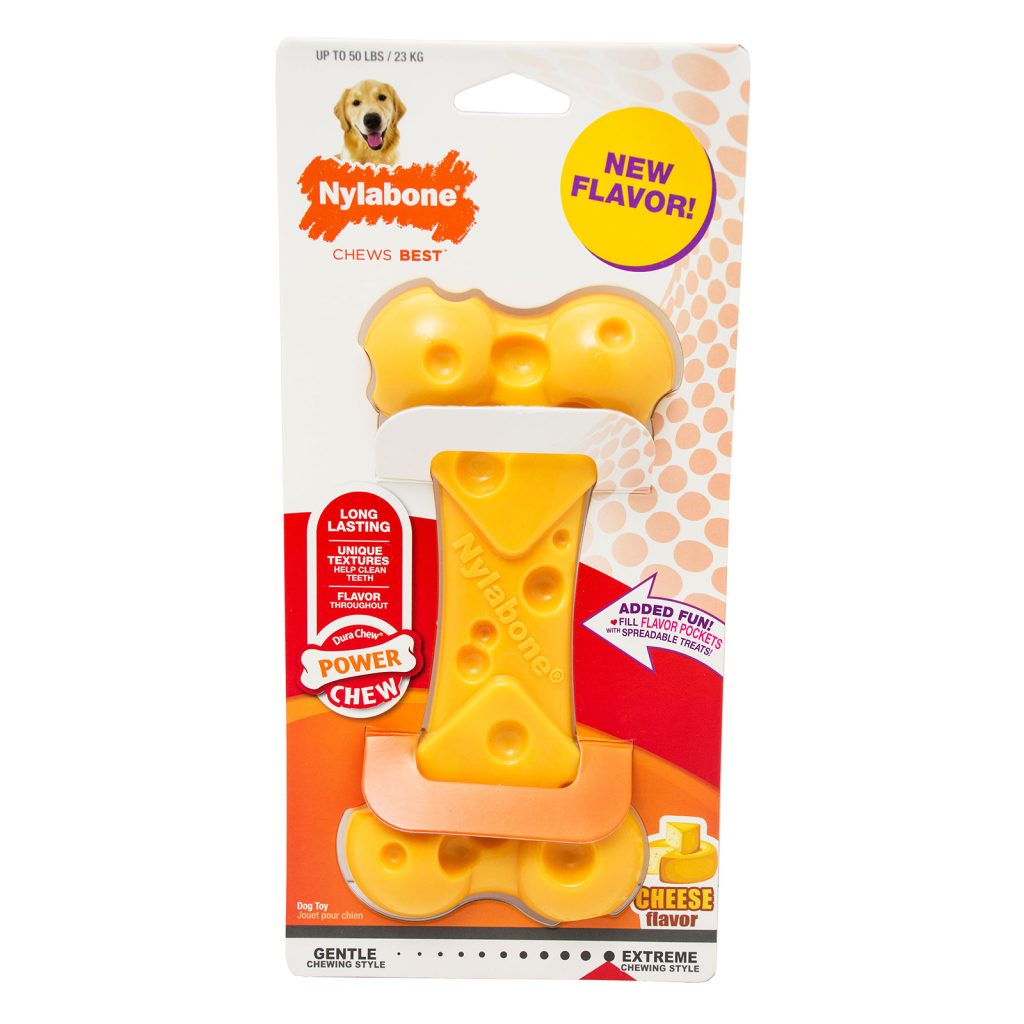
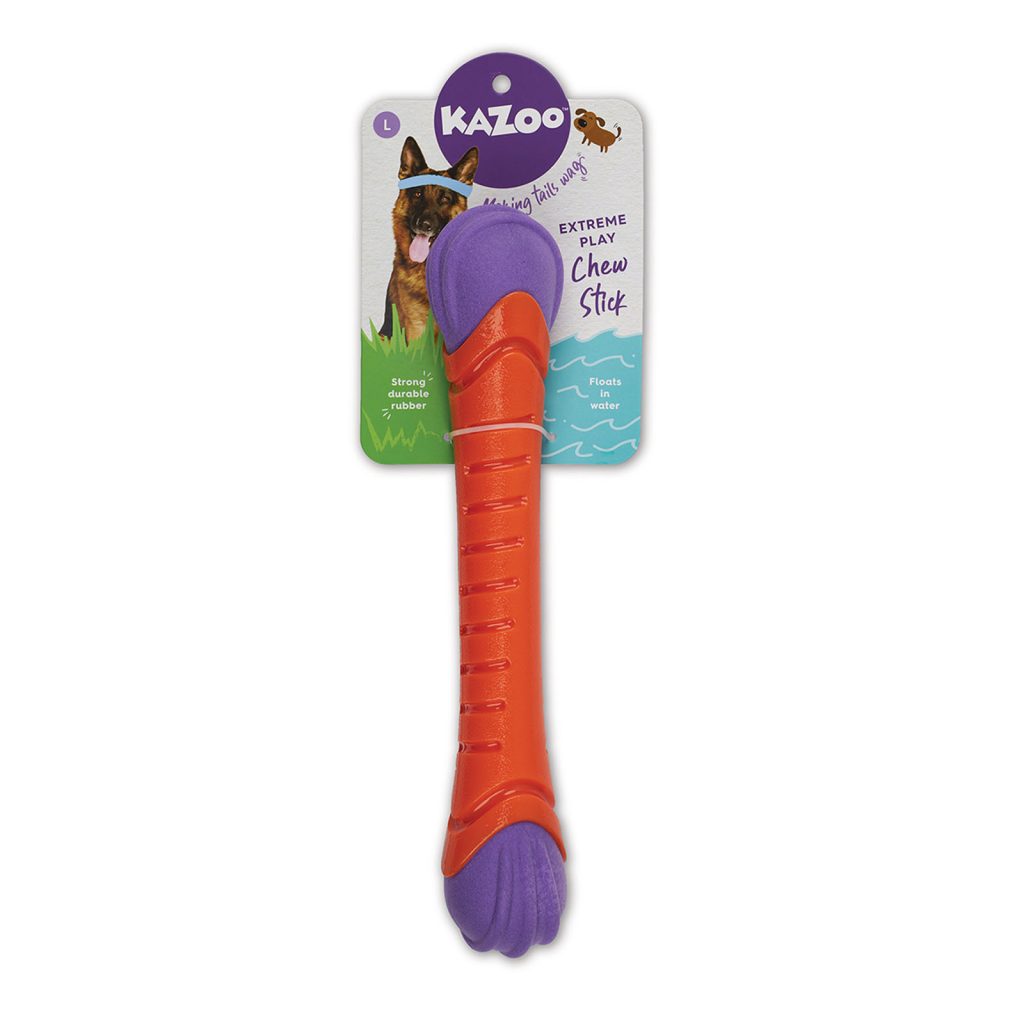
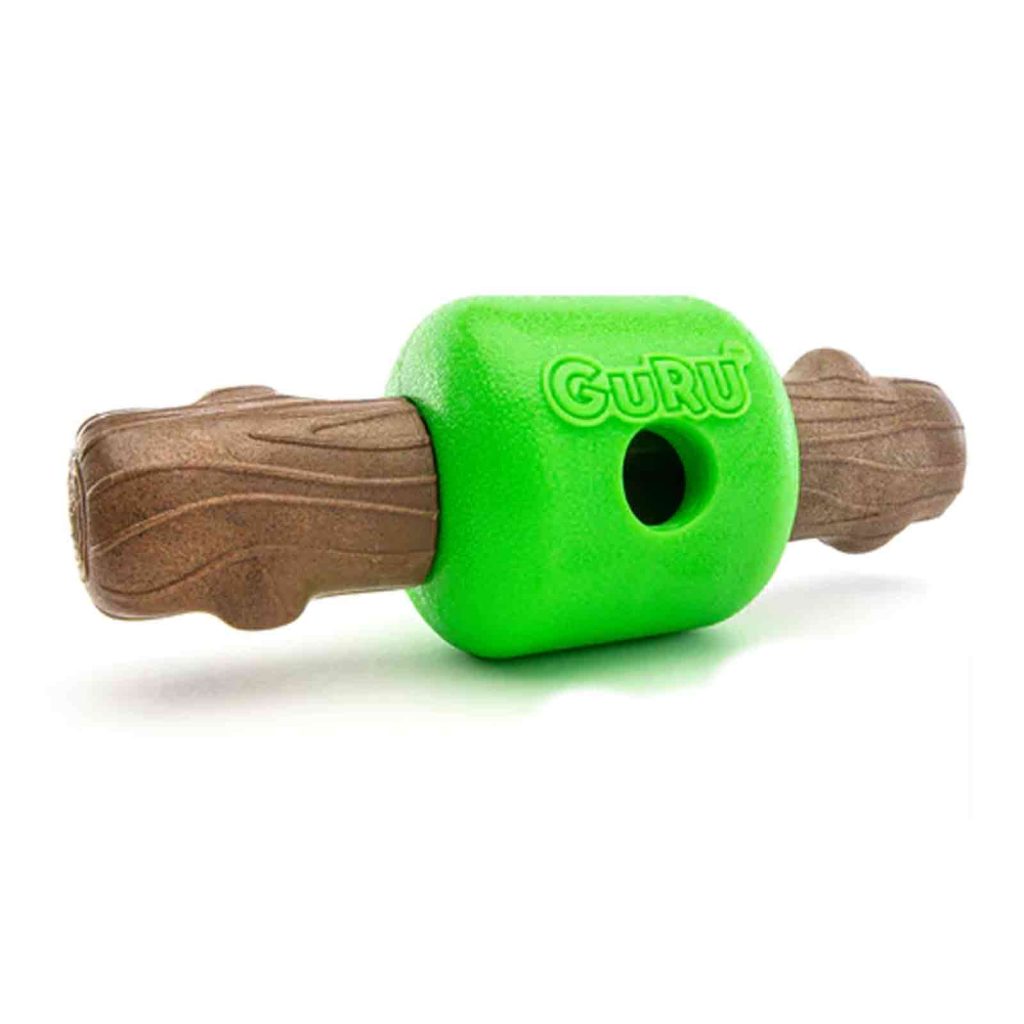
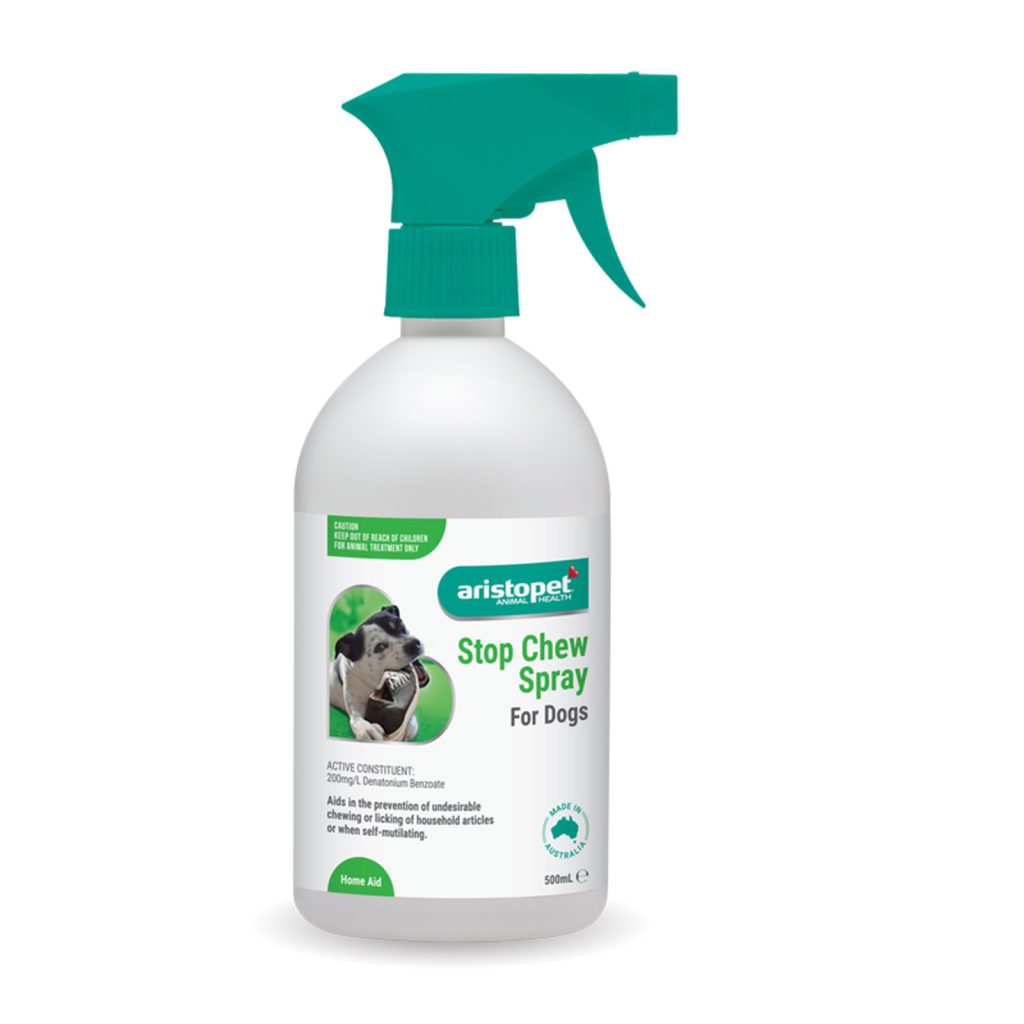
6. Use Deterrents
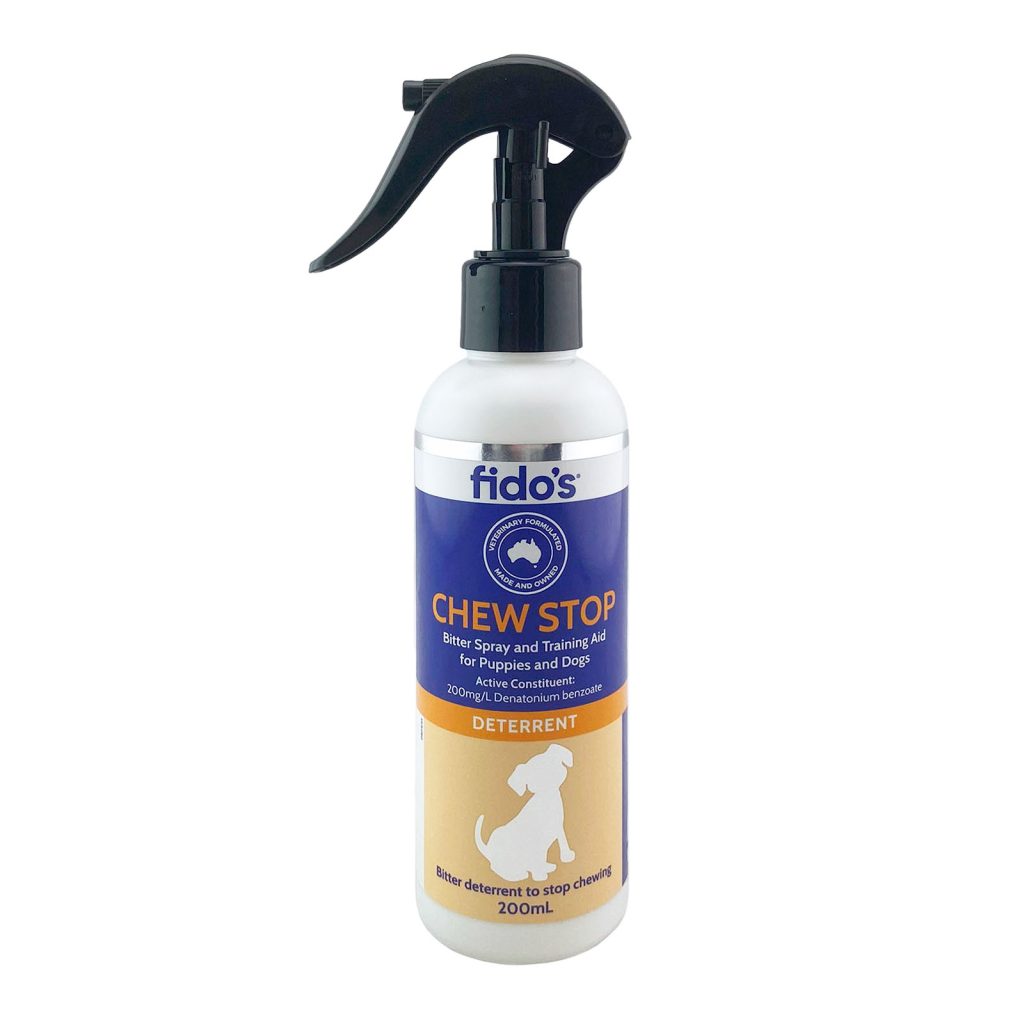
To discourage chewing on specific items, apply a dog-safe taste deterrent such as bitter apple spray or vinegar solution. These deterrents make the object unpleasant to chew on but must be used consistently to be effective.
7. Rule Out Medical Issues
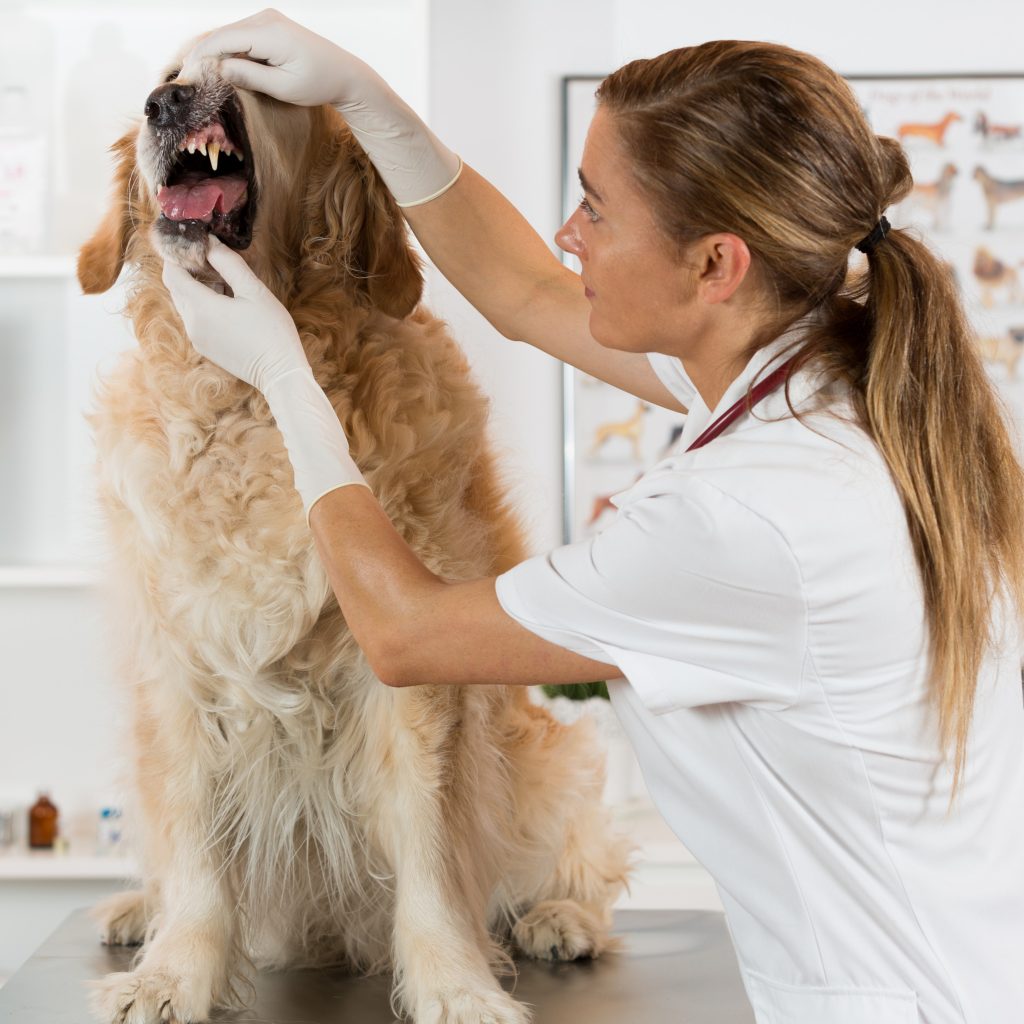
In some cases, excessive chewing could be a sign of dental pain, nutritional deficiencies, or other health problems. Schedule a vet visit to ensure there are no underlying medical issues contributing to the behavior.
Chewing is a natural behavior for dogs, but it can become problematic when directed toward random and inappropriate objects. By understanding the root causes and implementing a combination of preventive measures, training, and enrichment, you can effectively curb destructive chewing. With patience, consistency, and proper management, your dog can learn to chew only on appropriate items, ensuring a safer and happier home for both you and your canine companion.