How to Crate Train a Puppy
Crate training is a valuable and effective method to teach your puppy essential skills, provide a safe space, and promote good behaviour. While some pet owners might have doubts or misconceptions about crate training, when done correctly, it can be a positive experience for both you and your furry friend.
This comprehensive guide will walk you through the benefits of crate training, how to create a safe environment in the crate, different types of puppy crates, and step-by-step training techniques. Let's dive in!
What are the Benefits of Crate Training?
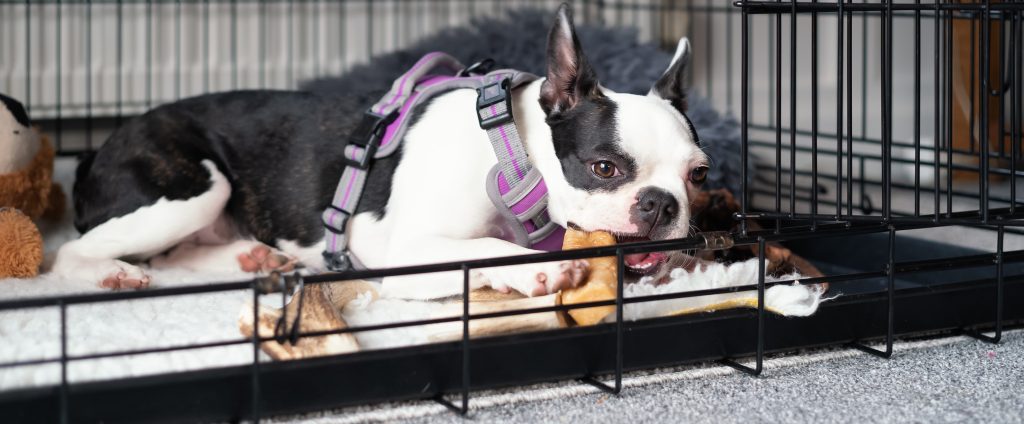
Crate training offers numerous benefits for both puppies and their owners. Here are some of the key advantages:
- Housebreaking: Crates aid in potty training, as dogs have an instinct not to soil their sleeping area.
- Safety and Security: A crate provides a safe space where your puppy can rest without getting into trouble or injuring themselves.
- Preventing Destructive Behaviour: Crates can help minimise destructive chewing or house damage when unsupervised.
- Travelling Ease: Crate-trained puppies are more comfortable during travel, making trips less stressful.
- Facilitating Training: Crates assist in teaching commands and house rules more effectively.
Create a Safe Environment in the Crate
Some puppies may initially resist being in a crate, feeling anxious or uncomfortable. To make the crate a welcoming environment, follow these tips:
- Choose the Right Size: Ensure the crate is spacious enough for your puppy to stand, turn around, and lie down comfortably.
- Add Soft Bedding: Place a cosy and washable bed or blanket inside the crate for comfort. See our selection of beds, here.
- Use Toys and Treats: Include a few favourite toys and treats to create positive associations with the crate.
- Positive Reinforcement: Praise and reward your puppy when they voluntarily enter the crate.
What Type of Crate is Best for My Pup?
When selecting a puppy crate, consider the following options:
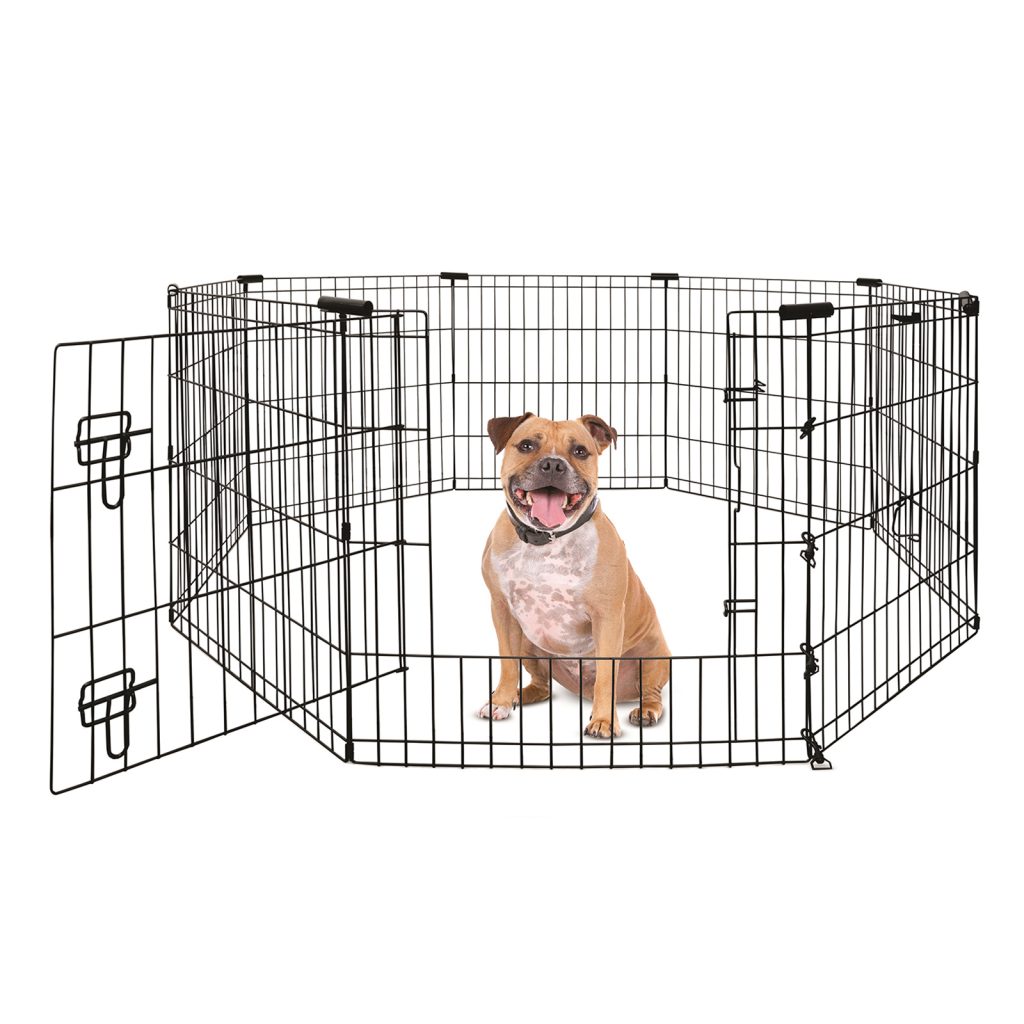
- Wire Crates: These provide good ventilation and visibility and are collapsible for easy storage and transport.
- Plastic Crates: Ideal for travel, these crates provide a cosy den-like feel and can have a secure door.
- Soft-Sided Crates: Lightweight and portable, these are suitable for well-behaved dogs during travel or camping.
- Heavy-Duty Crates: Sturdy and secure, these are best for strong or destructive breeds.
Popular Puppy Crates & Accessories

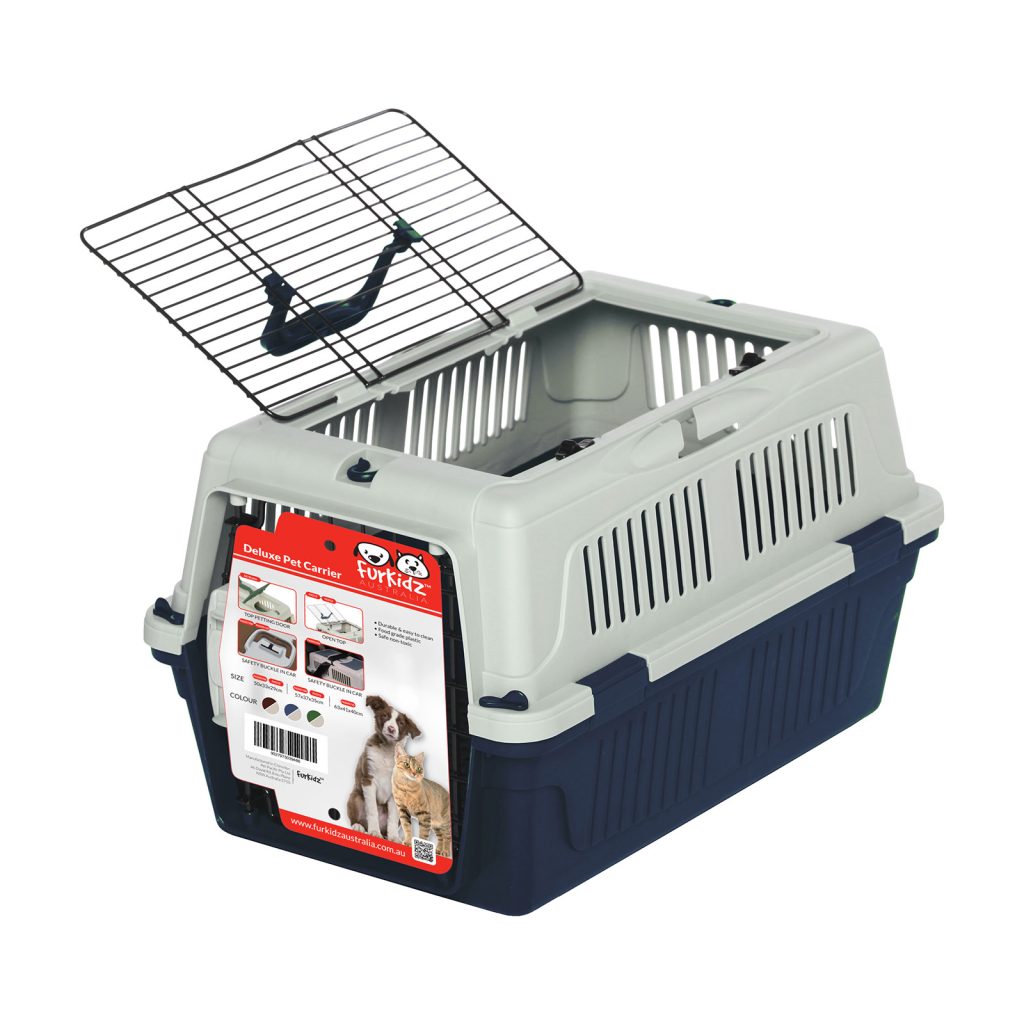
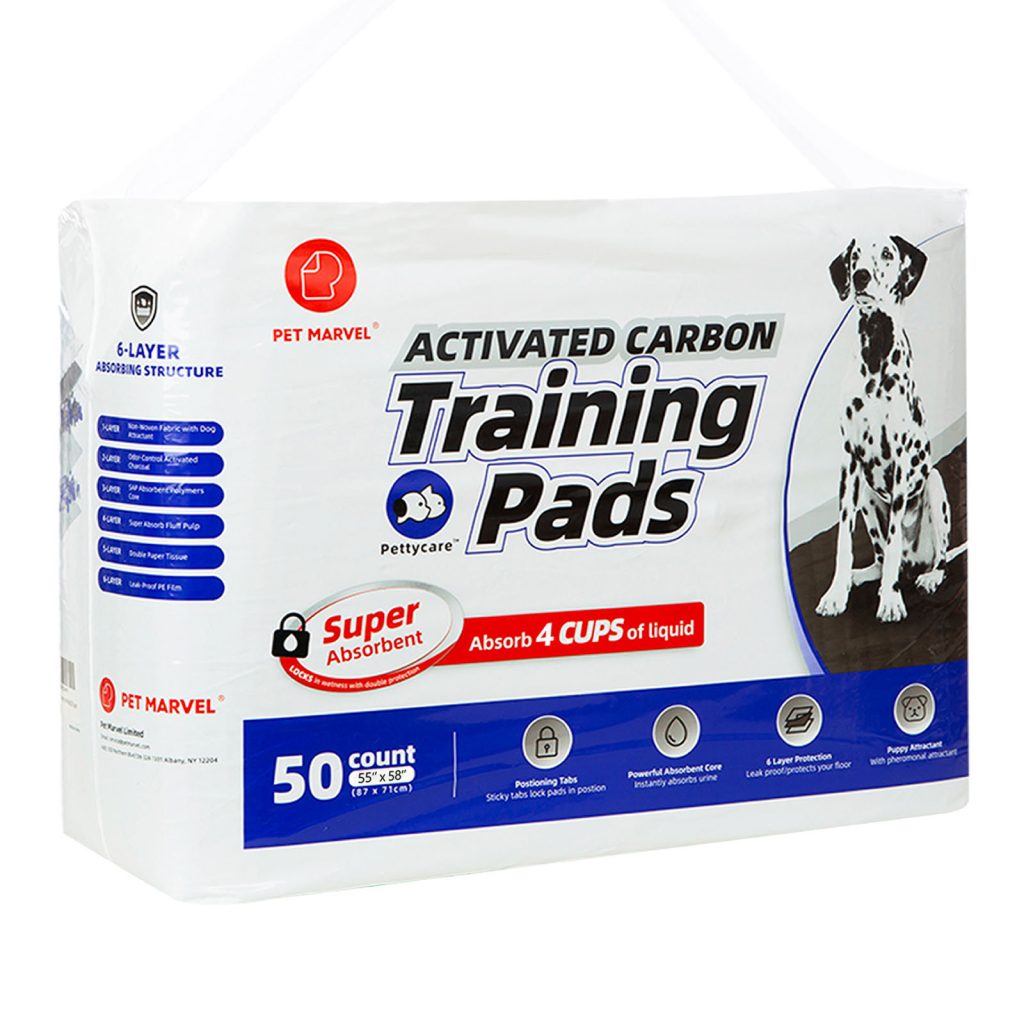
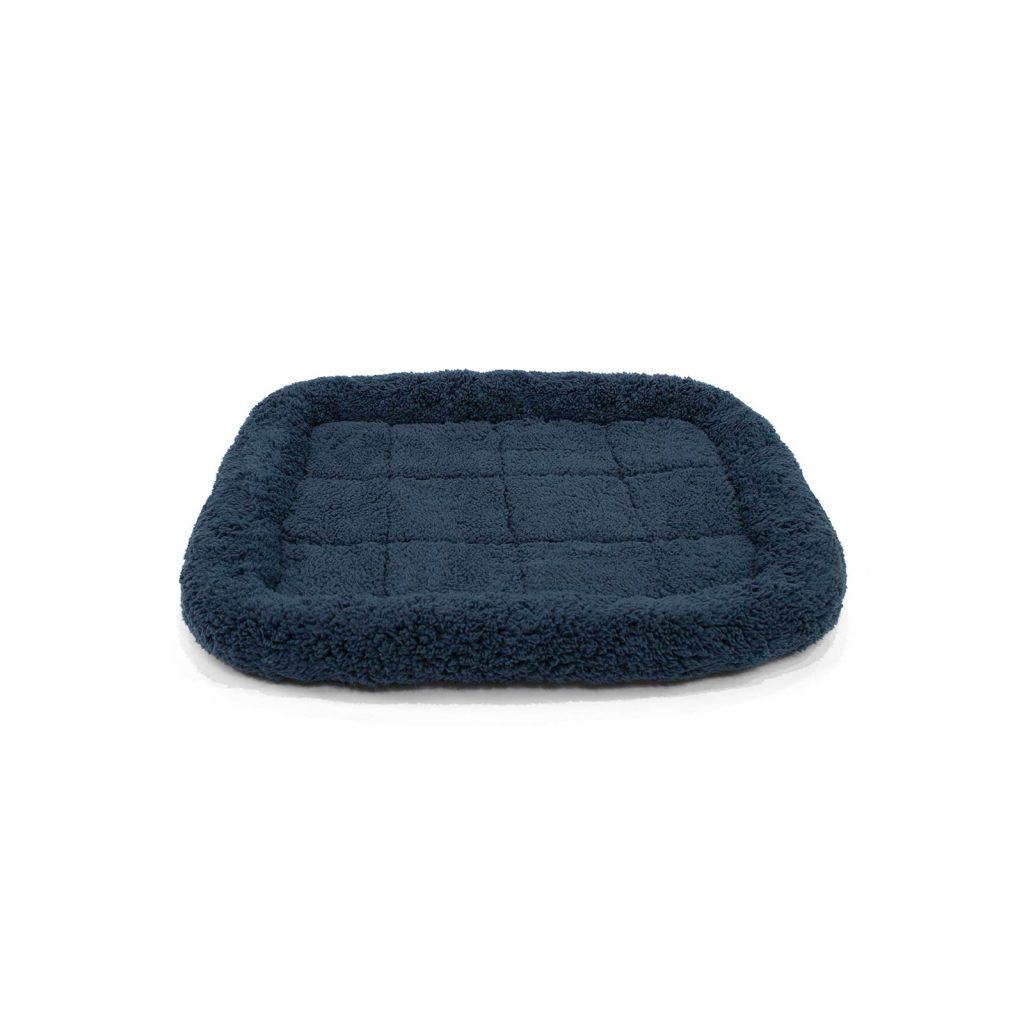
Training Steps
Before diving into the actual training process, it's crucial to introduce your puppy to the crate in a positive and gradual manner. The goal is to make the crate a welcoming and safe space for your furry friend. Here's how to get started:
Introduction
Introduce your puppy to the crate in a positive and gradual manner. Keep the crate in a common area and leave the door open, allowing them to explore it at their own pace. Encourage them with treats and praise when they go near or enter the crate.
Meal Times in the Crate
During meal times, place your puppy's food bowl inside the crate. This will associate the crate with positive experiences like eating. Start by leaving the door open and gradually close it for short periods while your pup eats.
Extending the Exposure
As your puppy becomes more comfortable, extend the time they spend inside the crate. Gradually increase the duration while you are present and avoid forcing them to stay longer than they are comfortable.
Introducing Night Time Routines
For crate training at night, place the crate near your bed initially. This way, your puppy will feel more secure with your presence. As they become accustomed to the crate, you can gradually move it to its permanent location.
Do You Need to Create a Schedule for Crate Training a Puppy?
Creating a puppy crate training schedule is essential for successful and effective training. A consistent routine helps your puppy understand what is expected of them and builds a sense of security. A well-structured schedule should include specific times for meals, potty breaks, playtime, and crate time.
Following a schedule not only aids in housebreaking but also helps your puppy develop a predictable routine, reducing anxiety and promoting good behavior. By sticking to a schedule, you establish a strong foundation for crate training, making the process smoother and more enjoyable for both you and your furry companion.
What is the Right Age to Crate Train a Puppy?
A common question is what age should you start crate training? The right age to start crate training a puppy is typically around 8 weeks old. At this age, puppies have developed enough physically and mentally to benefit from crate training. Starting early allows them to adapt to the crate more easily, making the process smoother and less stressful.
It's essential to begin the training process gradually, introducing the crate as a positive and safe space. Crate training at the right age helps with housebreaking, prevents destructive behaviour, and creates a secure environment for your puppy. Remember, patience and positive reinforcement are key to successful crate training at any age.
Can You Crate Train an Older Puppy?
Yes, you can crate train an older puppy. While it may require more patience and consistency compared to training a younger puppy, it is certainly possible. The principles of crate training remain the same regardless of age. Begin by introducing the crate gradually and positively, allowing your older puppy to explore it at their own pace. Use treats and praise to create a positive association.
As they become comfortable with the crate, gradually extend the time they spend inside. Remember to be patient, understanding that older puppies may take more time to adjust. With consistent training and positive reinforcement, older puppies can learn to love their crate as a safe and cosy space.
Find More from Budget Pet Products
For a wide selection of quality dog crates and pens, visit here. We offer various types of crates suitable for your pup's needs.