Worming Your Puppy
As a responsible pet owner, it is your duty to ensure your furry friend is healthy and happy. One aspect of their health that is often overlooked is the issue of puppy worms. Puppies are particularly vulnerable to worm infestations, which can be potentially harmful to their health. At Budget Pet Products we offer a range of puppy worm treatment options to help keep your pet safe.
In this article, we will cover everything you need to know about puppy worming, from the types of worms that commonly affect puppies to how to prevent worm infestations in the future.

How do Puppies get Worms?
Puppies can contract worms in various ways. Some common ways include:
- Infection from their mother before they are born (and sometimes after they are born through their mothers milk)
- Consuming infected faeces or soil
- Coming into contact with contaminated objects or areas
- Eating infected prey animals, such as rodents or birds
Why are Puppies Prone to Worms?
Puppies are more susceptible to worm infestations than adult dogs due to their underdeveloped immune systems. The immune system is responsible for fighting off infections and diseases, including worm infestations. Since puppies' immune systems are not yet fully developed, they are more vulnerable to worm infections.
Types of Worms in Puppies
There are several types of worms that commonly affect puppies. Here is a brief overview of each type of worm, including their life cycle, characteristics, and tips for identifying which type of worm your puppy has:
- Roundworm: These are the most common type of worm in puppies. They are long, white, and spaghetti-like. Puppies can contract roundworm from their mother before they are born. Once born, puppies can contract roundworms from their mother's milk, through infected feces or soil, or from eating infected prey animals. Roundworms eat partially digested food in the intestine so can really affect the growth of a young puppy.
- Tapeworm: These are flat, segmented worms that attach themselves to the puppy's intestines. Segments of the worm contain many eggs and Puppies can contract tapeworms by ingesting a segment of worm, eating infected fleas or by eating infected prey animals.
- Whipworm: These are thin, thread-like worms that live in the puppy's large intestine. Puppies can contract whipworms by ingesting infected soil or faeces.
- Hookworm: These are small, thin worms that attach themselves to the puppy's intestinal wall and feed on their blood. Puppies can contract hookworms through infected feces or soil. The larval stages hookworm can also be passed through the mothers milk and penetrate through the skin of puppies (usually the feet) if they are in contact with heavily infected soil.
Symptoms of Worms in Puppies
Symptoms of worm infestations in puppies can vary depending on the type of worm and the severity of the infestation. Some common symptoms include:
- Diarrhea or constipation
- Vomiting
- Weight loss
- Distended belly
- Poor coat condition
- Lethargy
- Lack of appetite
- Pale gums
To monitor your puppy for signs of worms, you should regularly check their feces for any signs of worms or worm segments. You should also keep an eye out for any changes in their behavior or appetite. Puppies with roundworm infections can develop a pot bellied appearance. If you have any concerns at all, be sure to check with your Vet. They can check your puppy's faeces under a microscope to look for worm eggs.
Worming Treatments for your Puppy
There are several worming treatments available for puppies, including tablets, spot-on treatments, and injections. It is important to consult with your veterinarian to determine the best course of treatment for your puppy.
How do I Deworm My Puppy?
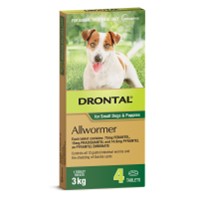
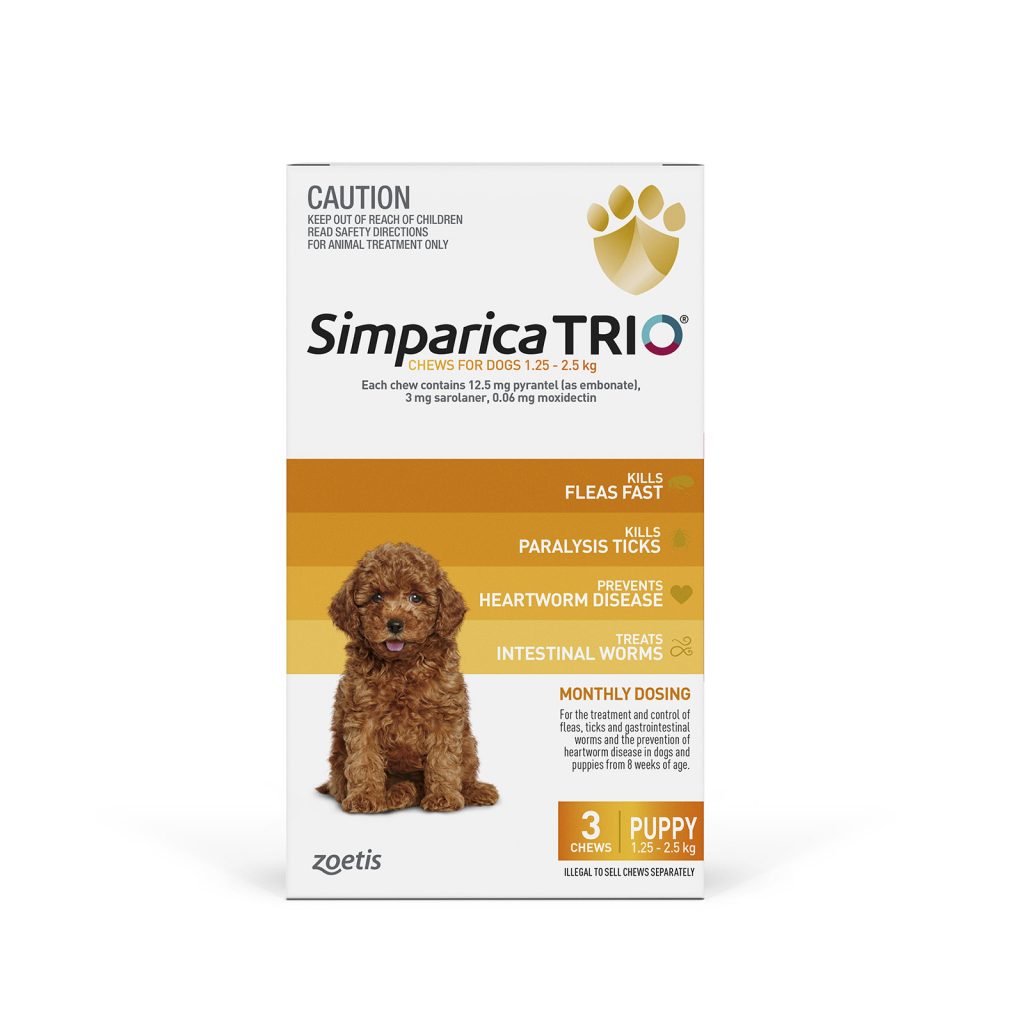
Deworming your puppy is a relatively simple process that involves administering medication to kill off any existing worms. There are several deworming products available, including tablets and liquids. It is important to follow the instructions carefully and ensure that you give your puppy the correct dosage. One popular puppy wormer is Simparica TRIO For Dogs, which is safe for use in puppies from 8 weeks of age.
How Often Do I Need to Worm My Puppy?
Your puppy worming schedule will depend on their age and lifestyle. Puppies should be wormed every two weeks until they are twelve weeks old, then every month until they are six months old. After six months, they should be wormed every three to six months, depending on their lifestyle and risk of exposure to worms. If you are not sure, discuss your puppy’s environment and lifestyle with your veterinarian and they can guide you.
What happens after deworming a puppy?
Deworming your puppy is an essential part of its health routine. After the deworming process, you may notice some changes in your puppy's behavior and bowel movements. Deworming medication kills the worms present in the digestive system, and they are then excreted from the body. Your puppy may pass worms in their stool, which is a good indication that the medication is working.
Your puppy may have loose stools or diarrhoea after deworming.. This usually resolves itself within a few days, but if it persists or your puppy shows any other symptoms, consult your veterinarian.
How to stop my puppy from getting worms again?
Preventing worm infestations in puppies is crucial for their health and well-being. Here are some steps you can take to prevent your puppy from getting worms again:
- Pick up poop regularly: This will decrease the risk of your puppy ingesting worms or worm eggs and also minimise worms or eggs transfering to the soil. Make sure you dispose of the poop in a place that your puppy does not access.
- Keep their living area clean: Regularly clean and disinfect your puppy's living area, including their bed, toys, and bowls.
- Avoid areas with high risk of contamination: Do not let your puppy roam in areas where other dogs defecate or in places with contaminated soil.
- Regular check-ups with a veterinarian: Take your puppy to regular check-ups with a veterinarian to ensure they are healthy and free from worms.
- Practice good hygiene: Wash your hands thoroughly after handling your puppy or cleaning up after them, especially before eating.
- Use preventative medication: Speak to your veterinarian about preventative medication that can help protect your puppy from worms.
Keep Your Puppies Worm Free with Budget Pet Products
At Budget Pet Products, we understand the importance of keeping your puppies healthy and free from worms. That's why we offer a wide range of high-quality deworming products to keep your puppy healthy and happy.
We have a variety of deworming tablets, pastes, and liquids that are easy to administer and effective in killing and preventing worm infestations in puppies. Our products are formulated to target different types of worms and are safe for use in puppies.