How Much Should You Feed Your Puppy?
Feeding your puppy can be a daunting task, especially when you're unsure about the right amount to feed them. The fear of leaving them underfed or overfed can be overwhelming. But fret not! Within this puppy feeding guide, we will address your concerns and provide you with the knowledge you need to ensure your puppy gets the appropriate amount of food as well as the best types of puppy food, ensuring they receive the nourishment they need for healthy growth and development.
What Should I Feed My Puppy
Different types of puppies have different nutritional needs.
Dry Vs Wet Food:
Both dry and wet food options are available for puppies. Dry food is convenient, helps promote dental health, and is cost-effective. Wet food offers higher moisture content and can be beneficial for puppies with dental issues or those who struggle with hydration.
Large Vs Small Puppies:
Big and small breed puppies have unique dietary requirements. Large breed puppies need controlled amounts of nutrients to support their rapid growth and joint health. Small breed puppies have higher metabolic rates and smaller mouths, so they require smaller kibble sizes and higher energy-dense food options.
Remember, it is crucial to choose high-quality puppy food specifically formulated for their life stage. A balanced and appropriate diet will provide the essential nutrients needed for your puppy's healthy development and overall well-being.
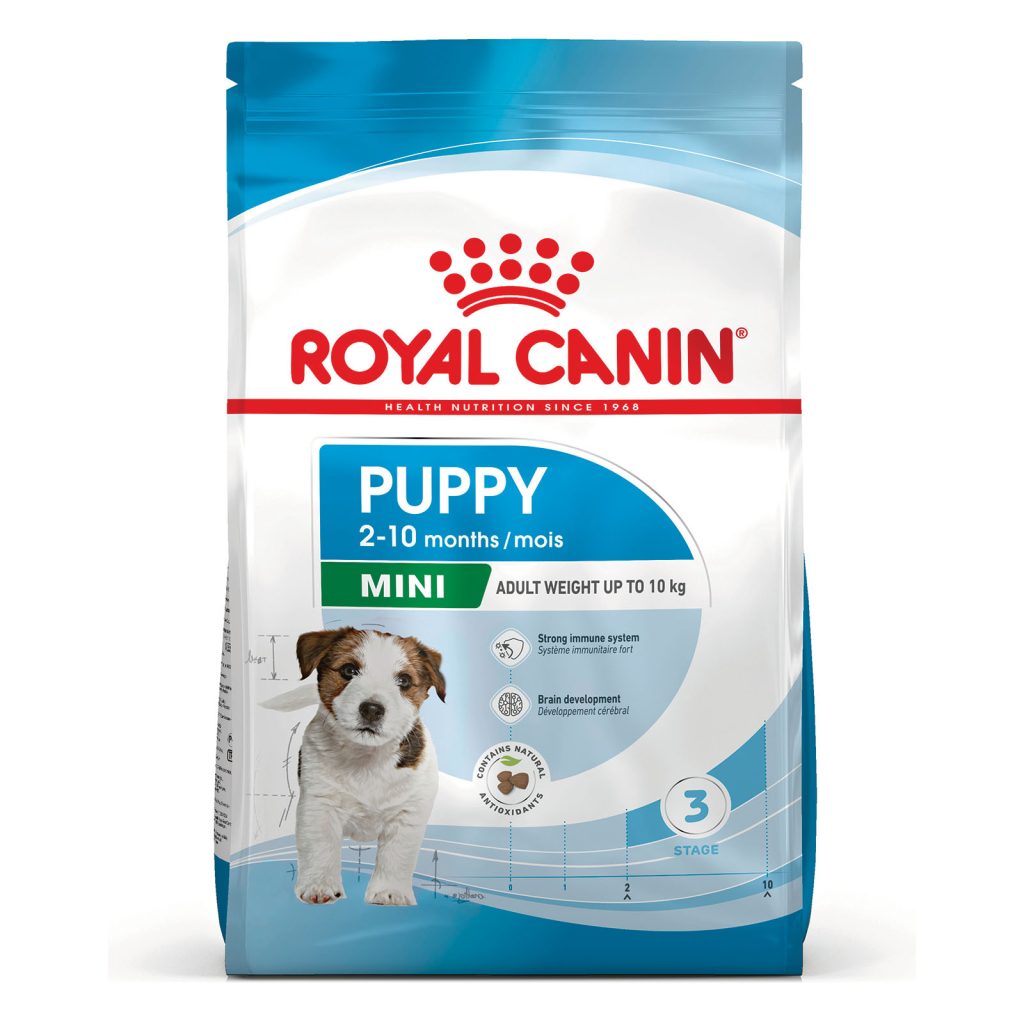
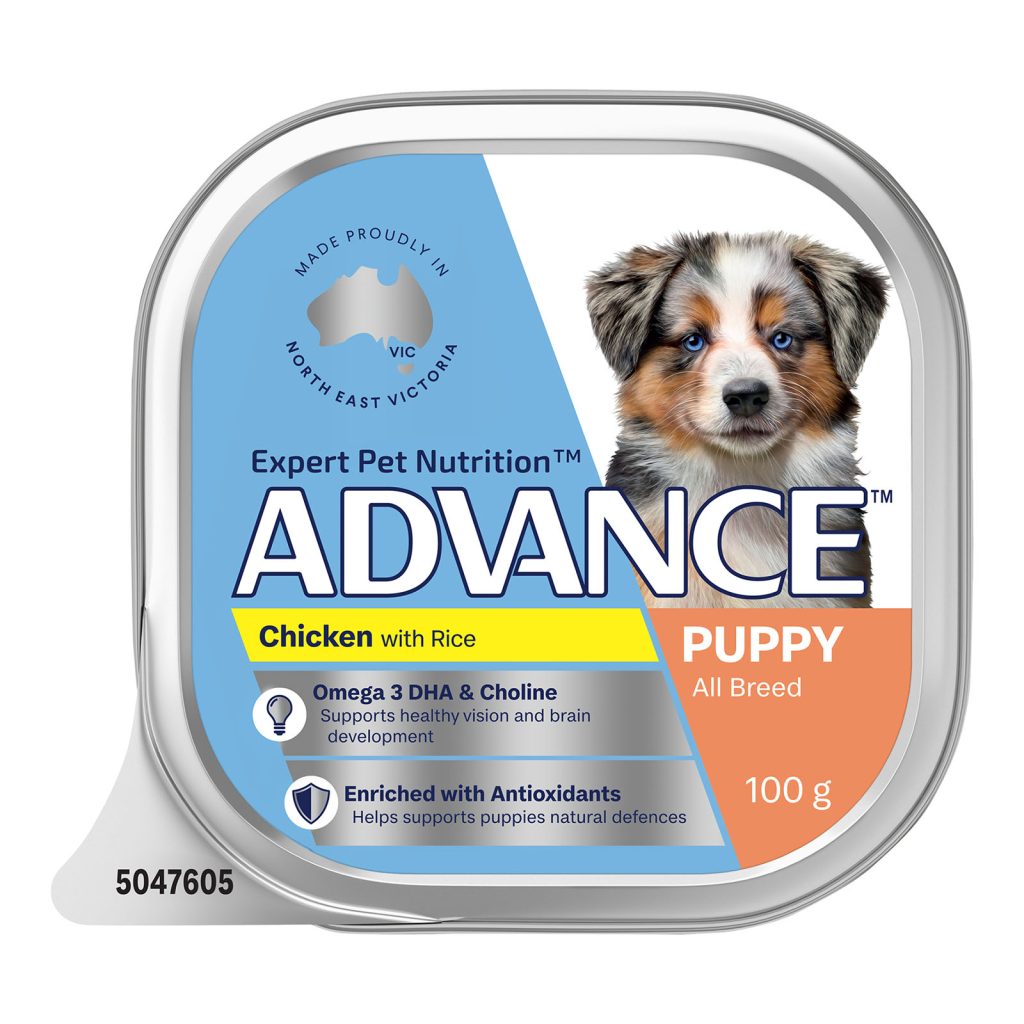
Our Favourite Puppy Food

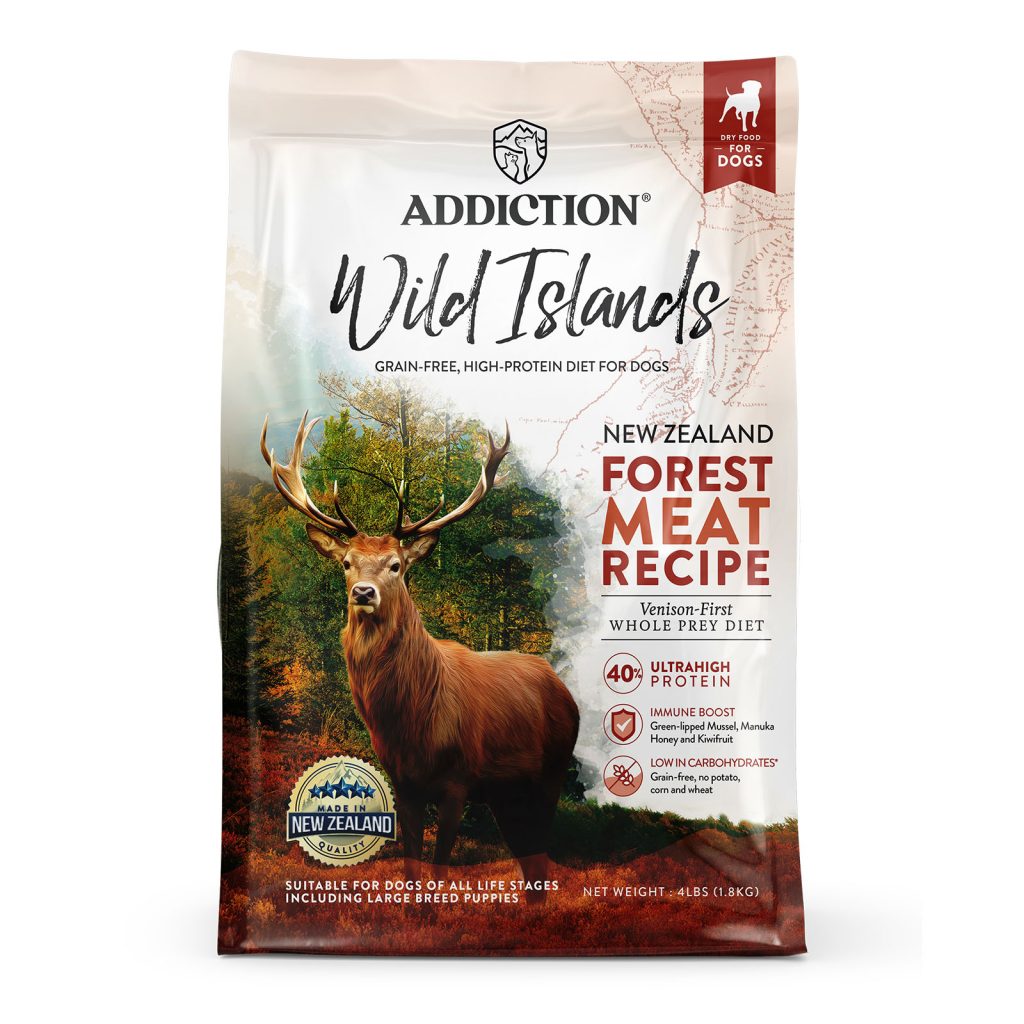
How Much To Feed a Puppy
How much food to feed a puppy depends on several factors such as size, weight, age, activity level, and breed. It is essential to consider these factors to determine the appropriate portion sizes for your furry friend.
Use the chart provided below to assist you in determining how much should a puppy eat. It is important to also refer to the specific feeding instructions mentioned on the packaging of your puppy's food and seek guidance from your veterinarian for further clarification.
Puppy Feeding Chart: Quantities
How much to feed a puppy chart:
| Breed Size | Weight at Maturity | 1-1/2 - 3 Months | 4 - 5 Months | 6 - 8 Months | 9 - 11 Months | 1 - 2 Years |
| Tiny (e.g. Chihuahua) | 1.4 - 5.4 kg | 1/2 - 1 cups | 2/3 - 1-⅓ cups | 1/2 - 1-½ cups | Feed as Adult | Feed as Adult |
| Small (e.g. Cavalier King Charles Spaniel) | 5.9 - 9.1 kg | 1/2 - 1-¼ cups | 1-1/8 - 2 cups | 3/4 - 1-⅓ cups | 1 - 1-½ cups | Feed as Adult |
| Medium (e.g. Beagle) | 9.5 - 22.7 kg | 1/2 - 1-½ cups | 1-1/2 - 2-¾ cups | 1-1/8 - 2-⅓ cups | 2 - 3 cups | 2 - 4-¼ cups |
| Large (e.g. Retriever) | 23.1 - 34.0 kg | 5/8 - 2-⅓ cups | 1-1/2 - 4 cups | 1-1/2 - 3-¾ cups | 2-1/2 - 4-¾ cups | 2-5/8 - 6-¼ cups |
| X-Large (e.g. German Shephard) | 34.5 - 45.4 kg | 1 - 2-⅔ cups | 2-7/8 - 3-¾ cups | 2-7/8 - 6-⅓ cups | 3-7/8 -7 cups | 5-5/8 - 11 cups |
| Giant (e.g. Rottweiler) | Over 45.4 kg | 2-2/3 cups plus 1/3 cup for each 4.5 kgs of body weight over 45 kgs | 3-3/4 cups plus 1/3 cup for each 4.5 kgs of body weight over 45 kgs | 6-1/3 cups plus 1/3 cup for each 4.5 kgs of body weight over 45 kgs | 7 cups plus 1/3 cup for each 4.5 kgs of body weight over 45 kgs | 11 cups plus 1/3 cup for each 4.5 kgs of body weight over 45 kgs |
When is the Best Time to Feed My Puppy?
Establishing a feeding routine for your puppy is essential for their overall well-being. A consistent feeding schedule helps regulate your puppy's digestive system, maintains their energy levels, and promotes healthy growth. It also aids in housebreaking and prevents overeating.
Puppies usually require more frequent meals than adult dogs. A general guideline is to feed them three to four times a day, spacing the meals evenly throughout the day to ensure a steady supply of energy.
Some helpful tips for feeding your puppy on a schedule include designating specific meal times and creating a quiet and calm feeding environment. Allow your puppy 15-20 minutes to eat, and then remove any uneaten food to prevent overeating or food spoilage.
Keep an eye on your puppy's appetite, weight, and overall body condition. Monitor for any changes in eating habits, such as sudden loss of appetite or excessive food consumption, as these can be indications of health issues.
When Should I Swap My Puppy to Dog Food?
Knowing when your puppy is ready to transition to adult dog food is important for their health and development. Signs that your puppy is ready include:
- Reaching their breed's recommended adult size
- Having a fully developed set of teeth
- Displaying normal digestion
When introducing new food, do it gradually by mixing increasing amounts of the new food with the current one over a period of 7-10 days. This helps your puppy adjust to the new taste and prevents digestive upset
How Often Should I Give My Puppy Treats?
When it comes to treating your puppy, moderation is key. While treats can be a great way to reward and bond with your puppy, excessive indulgence can lead to weight gain and health issues. It's crucial to provide premium treats in moderation to maintain a balanced diet.
Consult with your veterinarian to determine the appropriate number of treats per day based on your puppy's age, size, and dietary needs. Generally, it's advisable to limit treats to around 10% of their daily calorie intake.
Look for treats specifically designed for puppies, ensuring they are easily digestible and made with high-quality ingredients. Soft, small-sized treats are often ideal for training purposes.
Treats are a valuable tool for positive reinforcement during training sessions. Use small, tasty treats to reward your puppy for good behavior, following commands, or learning new tricks. This reinforces positive associations and encourages desired behavior.
Remember, treats should complement a balanced diet and should not replace proper nutrition from regular meals. With moderation and thoughtful selection, treats can play a beneficial role in your puppy's training and overall well-being.
Our Favourite Puppy Treats

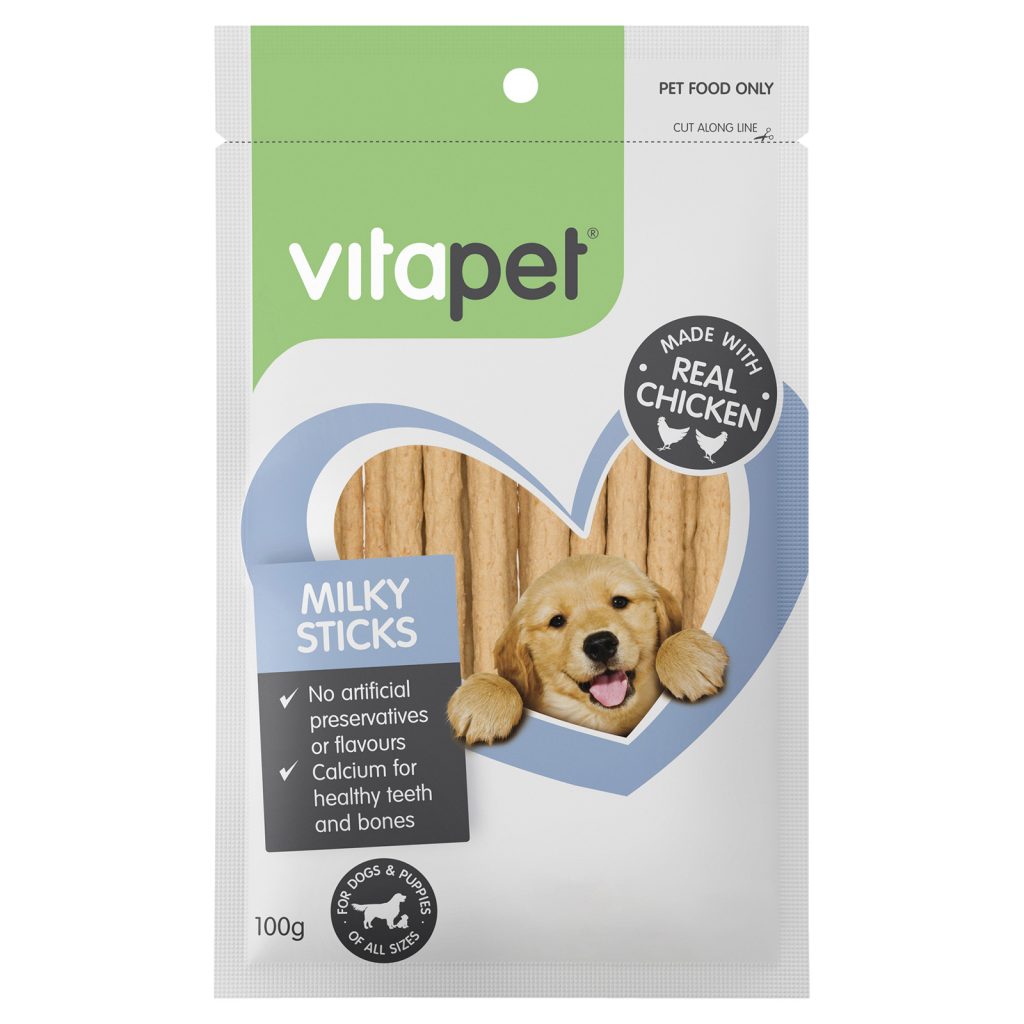
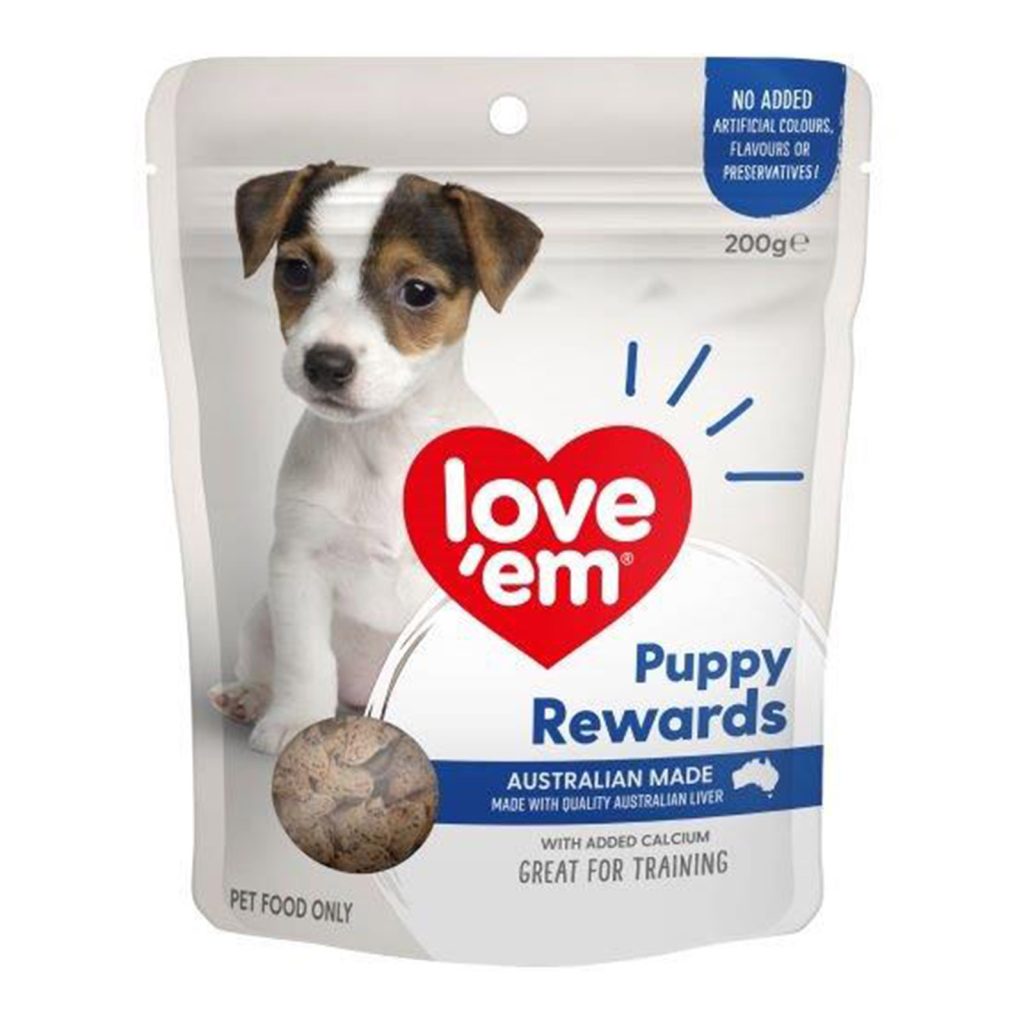
Keep Your Puppy Well Fed with Budget Pet Products
At Budget Pet Products, we understand the importance of providing your puppy with the right nutrition. Explore our wide range of high-quality pet food options that will keep your puppy healthy and satisfied.