Cat Sounds and What They Mean: Understanding Your Cat’s Vocal Language
19 March, 2026 By Dr Elise Barry

Cats may not speak our language, but they certainly have plenty to say. From soft purring to loud yowling, cats communicate using a fascinating range of sounds that reveal how they’re feeling and what they need.
Understanding cat sounds and what they mean can help you better interpret your feline friend’s emotions and behaviour. By recognising these vocal cues, you’ll be able to respond to your cat’s needs more effectively and build a stronger relationship with them.
In this guide, we’ll explore the most common cat sounds, why cats make them, and what your cat might be trying to tell you.
Why Do Cats Make Sounds?
Cats communicate with each other mainly through body language, scent, and subtle vocalisations. However, when it comes to interacting with humans, cats rely far more heavily on vocal communication.
Domestic cats have actually developed many sounds specifically to communicate with people. A simple meow can signal a greeting, a request for food, or a demand for attention.
By paying attention to the type of sound, tone, and situation, you can learn to better understand what your cat is trying to express.
Common Cat Sounds and Their Meanings
Meowing
Meowing is the most recognisable sound cats make. Interestingly, adult cats rarely meow at each other — this sound is mainly used to communicate with humans.
A short, cheerful meow often means your cat is greeting you when you arrive home. Repeated or persistent meowing may signal that your cat wants something, such as:
- Food
- Attention
- Playtime
- Access to a room or outdoors
Some cats are naturally more vocal than others, so the frequency of meowing can vary depending on personality and breed.
Purring
Purring is often associated with happiness and relaxation. Cats typically purr when they are:
- Being petted
- Resting comfortably
- Bonding with their owner
- Feeling safe and content
However, purring isn’t always a sign of happiness. Cats may also purr when they are anxious, sick, or in pain, as the vibration is believed to have soothing or healing effects.
For this reason, it’s important to consider your cat’s overall behaviour and body language when interpreting a purr.

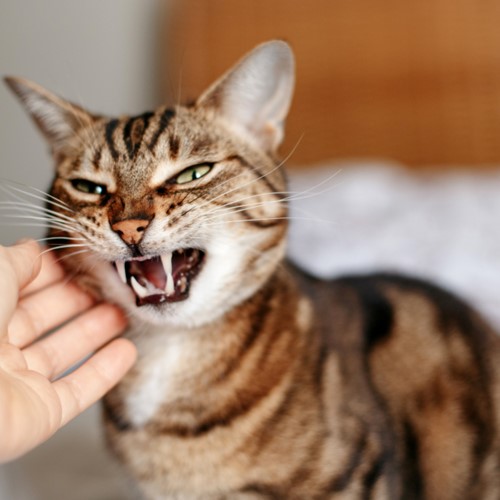
Hissing
A hiss is a clear warning signal. When a cat hisses, they are feeling:
- Threatened
- Frightened
- Defensive
- Annoyed
Hissing is your cat’s way of saying “stay away.” It’s often accompanied by defensive body language such as an arched back, flattened ears, or puffed-up fur.
If your cat hisses, the best response is to give them space and allow them time to calm down.
Growling
Growling is similar to hissing but has a deeper, rumbling tone. It usually indicates that a cat feels extremely uncomfortable or defensive.
Cats may growl when:
- Another animal enters their territory
- They feel cornered
- They are protecting food or toys
Growling often occurs during confrontations and signals that a cat may become aggressive if the situation continues.
Yowling
Yowling is a loud, drawn-out vocalisation that can signal distress or discomfort.
Cats may yowl when they are:
- In pain
- Anxious or stressed
- Looking for attention
- Experiencing age-related confusion
- In heat during mating season
If your cat suddenly starts yowling frequently, it may be worth consulting your vet to rule out underlying health issues.
Chirping
Chirping is a short, high-pitched sound that often resembles a bird call.
Cats commonly chirp when they are:
- Greeting their owner
- Excited
- Trying to get attention
- Watching birds or insects
Mother cats also use chirping sounds to communicate with their kittens.
Many owners find chirping one of the most endearing cat sounds, as it often signals happiness and engagement.
Trilling
Trilling is similar to chirping but softer and more melodic. It sounds like a combination of a purr and a meow.
Cats often trill when they are feeling:
- Happy
- Affectionate
- Relaxed
- Playful
It’s also commonly used as a friendly greeting between cats and their owners.
Chattering
Chattering is the rapid clicking or clacking of a cat’s teeth, usually heard when they are staring at birds or small animals through a window.
This behaviour is thought to occur when a cat’s predatory instincts are triggered.
Experts believe chattering may reflect a mix of:
- Excitement
- Frustration
- Hunting instinct
It’s one of the most curious and entertaining cat behaviours to observe.
Spitting
Spitting is a sudden, explosive sound that often happens during highly stressful situations.
Cats may spit when they feel seriously threatened or when they are startled. This sound typically occurs alongside other defensive behaviours like hissing, swatting, or attempting to flee.
If your cat spits, it’s important to remove the source of stress and give them time to feel safe again.
How to Better Understand Your Cat’s Communication
Learning to recognise different cat sounds is only one part of understanding your pet. Cats also communicate through:
- Body posture
- Ear position
- Tail movement
- Facial expressions
By observing these signals together, you can gain a much clearer picture of how your cat is feeling.
The more you pay attention to your cat’s behaviour, the easier it becomes to recognise their moods, needs, and personality.
Support Your Cat’s Health and Happiness
Understanding your cat’s vocalisations helps you respond to their emotional and physical needs more effectively. Providing the right food, toys, and enrichment can also play a big role in keeping your cat happy and content.
At Budget Pet Products, you’ll find everything your feline friend needs, including:
- Premium cat food
- Interactive toys
- Comfortable bedding
- Litter and litter accessories
- Health and grooming products
Giving your cat the right care and environment will help them stay relaxed, playful, and full of personality.
Because when you understand your cat’s language, you’re not just listening — you’re building a stronger bond with your furry companion.