What Should I Feed My Dog?
When it comes to feeding your dog, there isn’t a one-size-fits-all solution. Dogs vary greatly in size, breed, age, activity level, and health needs, and families have diverse financial situations that influence what they can provide. The most important takeaway is that feeding your dog to the best of your ability is the best thing you can do for your furry friend. A well-fed dog is a happy and healthy dog, regardless of your budget.
Quick Links:
On a budget: What's the best food for my dog?
Stable and healthy diets: Balancing higher quality food with cost efficiency.
Top of the market: What is the best possible food on the market right now?
Meal building examples (with links) for all types of dogs and budgets!
The Basics Summarized: What Should I Be Feeding My Dog?
1. Dogs are omnivores. While dogs thrive on meat, they can also benefit from other food groups like vegetables, grains, and even fruits. A balanced diet tailored to their needs is crucial for overall health. These dry foods do a great job of incorporating multiple food groups without totally breaking the bank:
Vegetables + Fruits + Vitamins + Minerals
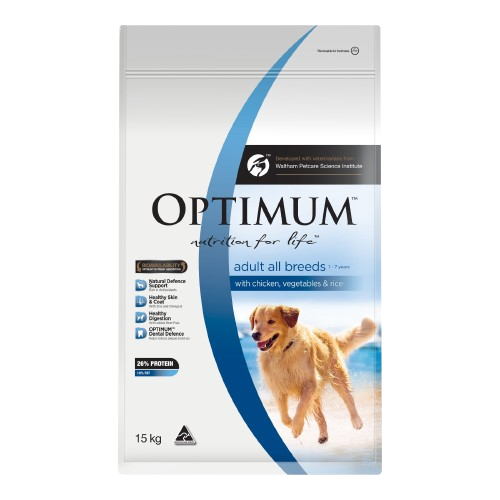
Grains + Vegetables + Vitamins + Minerals
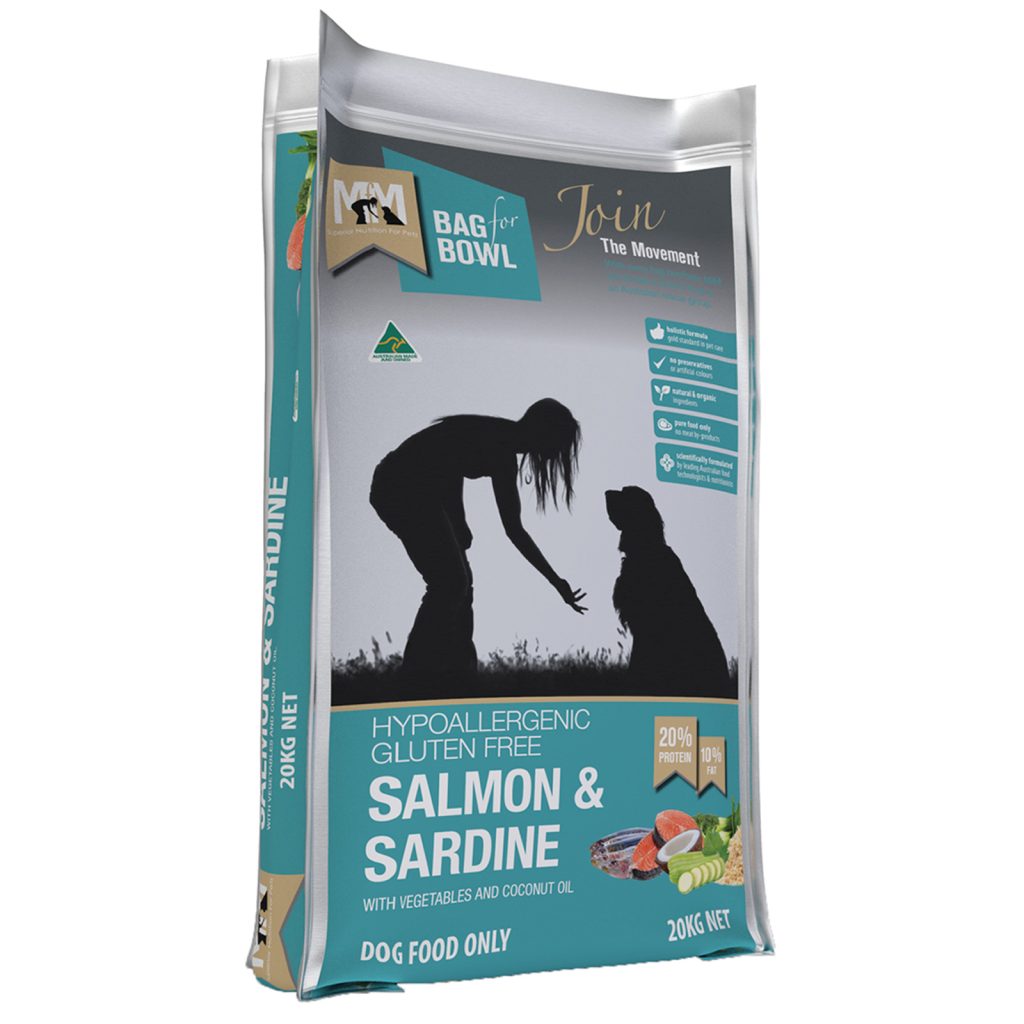
Grains + Fruits + Vegetables + Vitamins + Minerals + Protein
2. Age and activity matter. Puppies, adults, and senior dogs have different nutritional needs. High-energy breeds or working dogs may need more protein and calories, while less active breeds might require lighter meals to maintain a healthy weight.
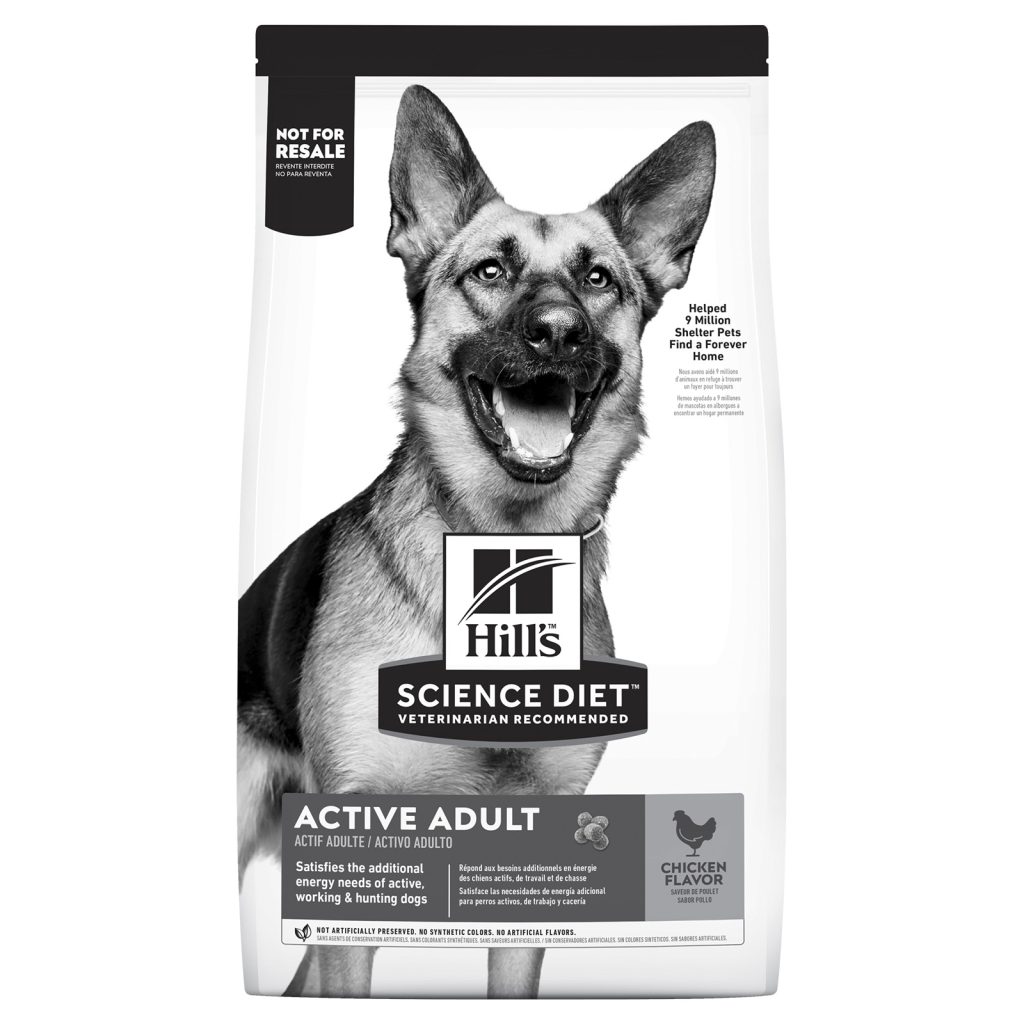
High-Energy Dogs
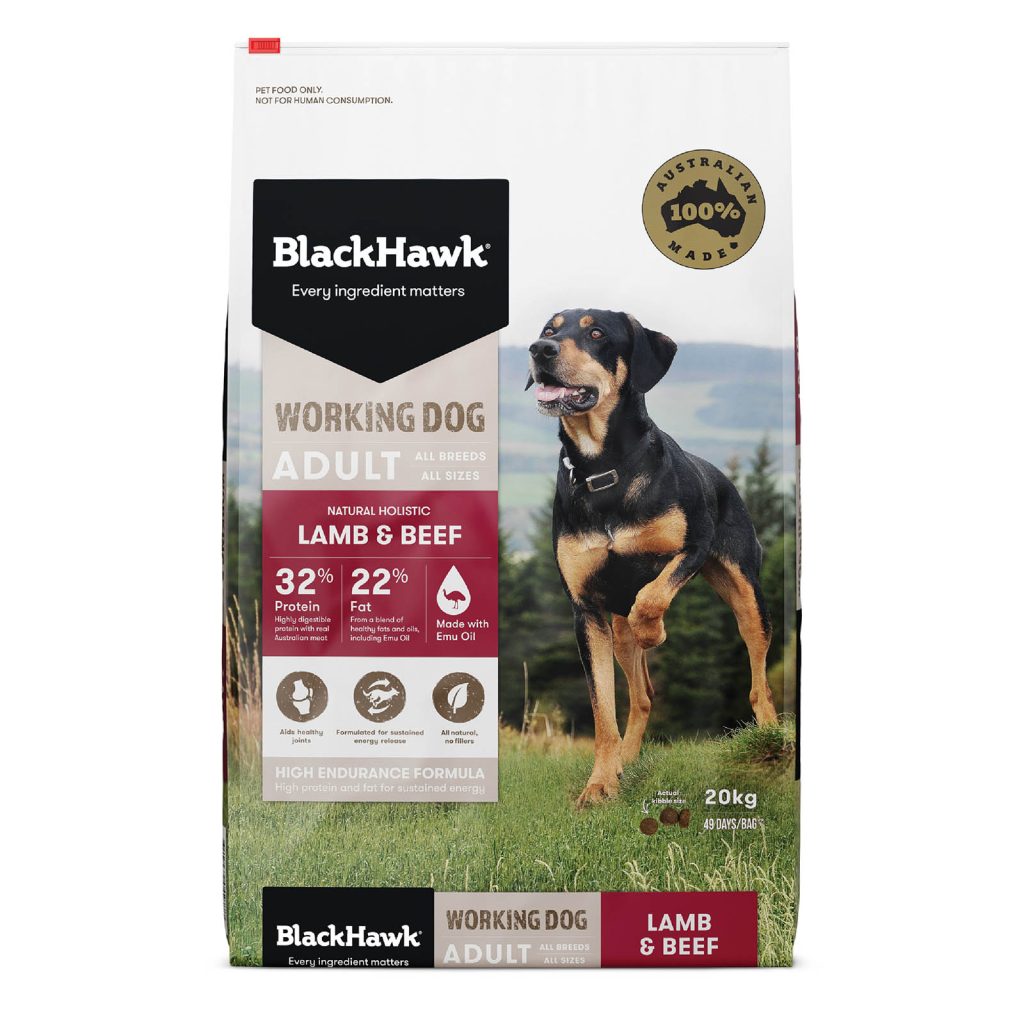
Working Dogs
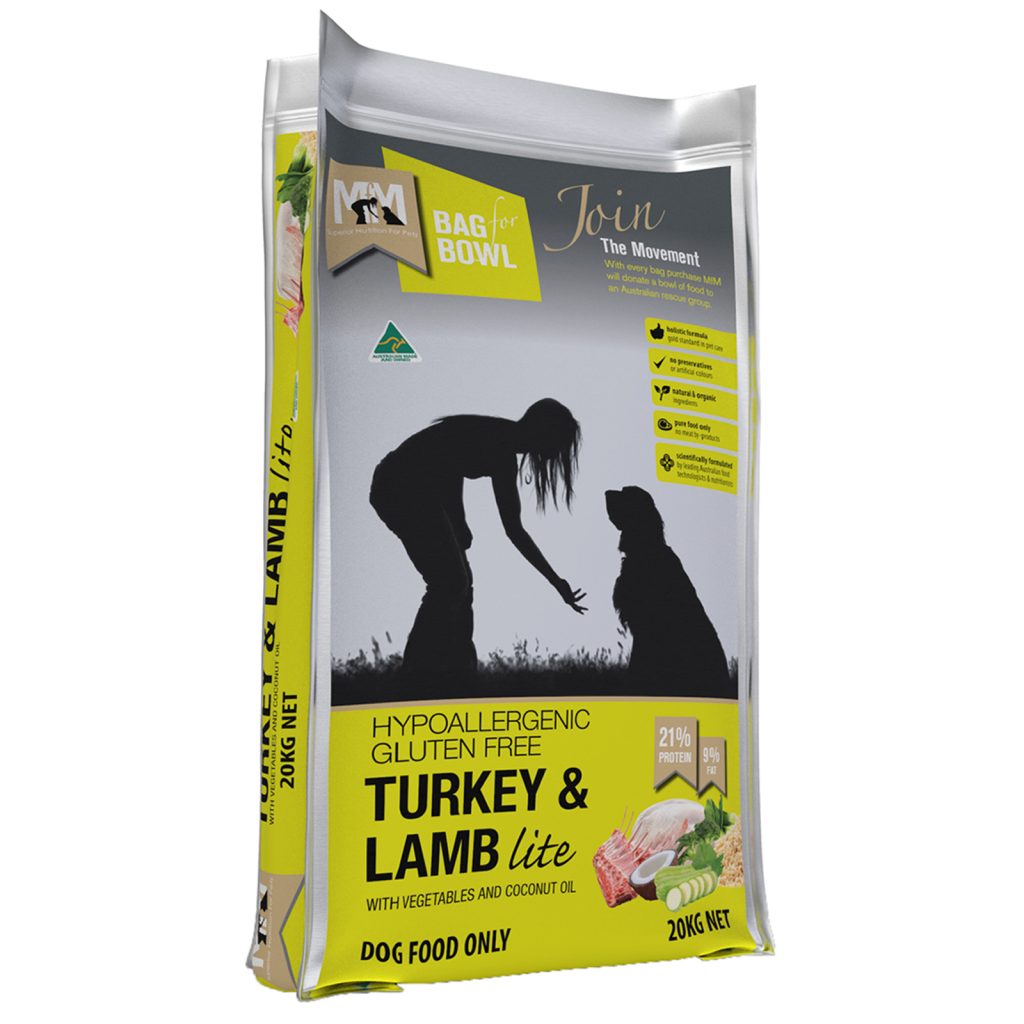
Non-Active Dogs
3. Portion control is key. Overfeeding can lead to obesity, while underfeeding may cause malnutrition. Use guidelines provided on food packaging as a starting point and adjust based on your dog’s weight and activity level.
4. Be mindful of allergies and sensitivities. Some dogs have food intolerances or allergies (common ones include, but are not limited to: grains, chicken, or dairy). Watch for signs like itching, digestive issues, or ear infections, and adjust their diet accordingly.
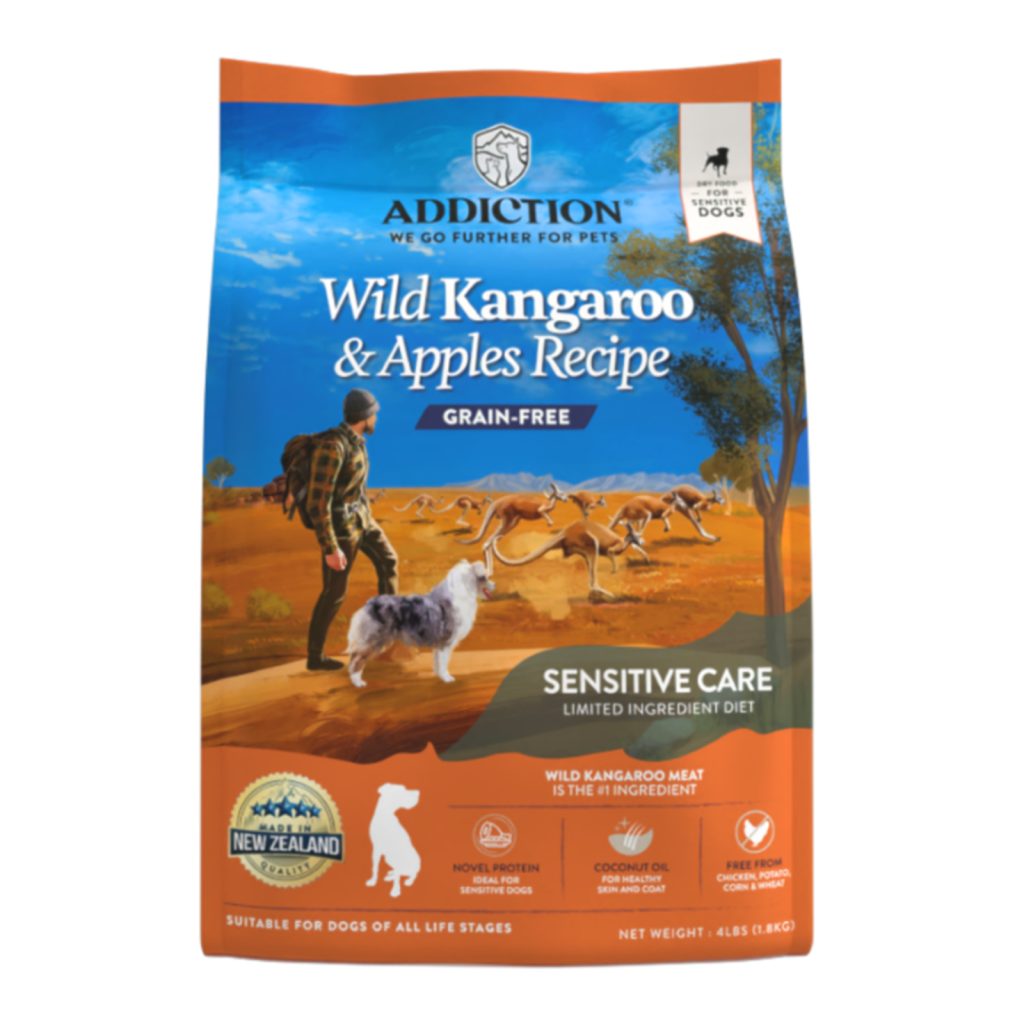
For Grain Allergies
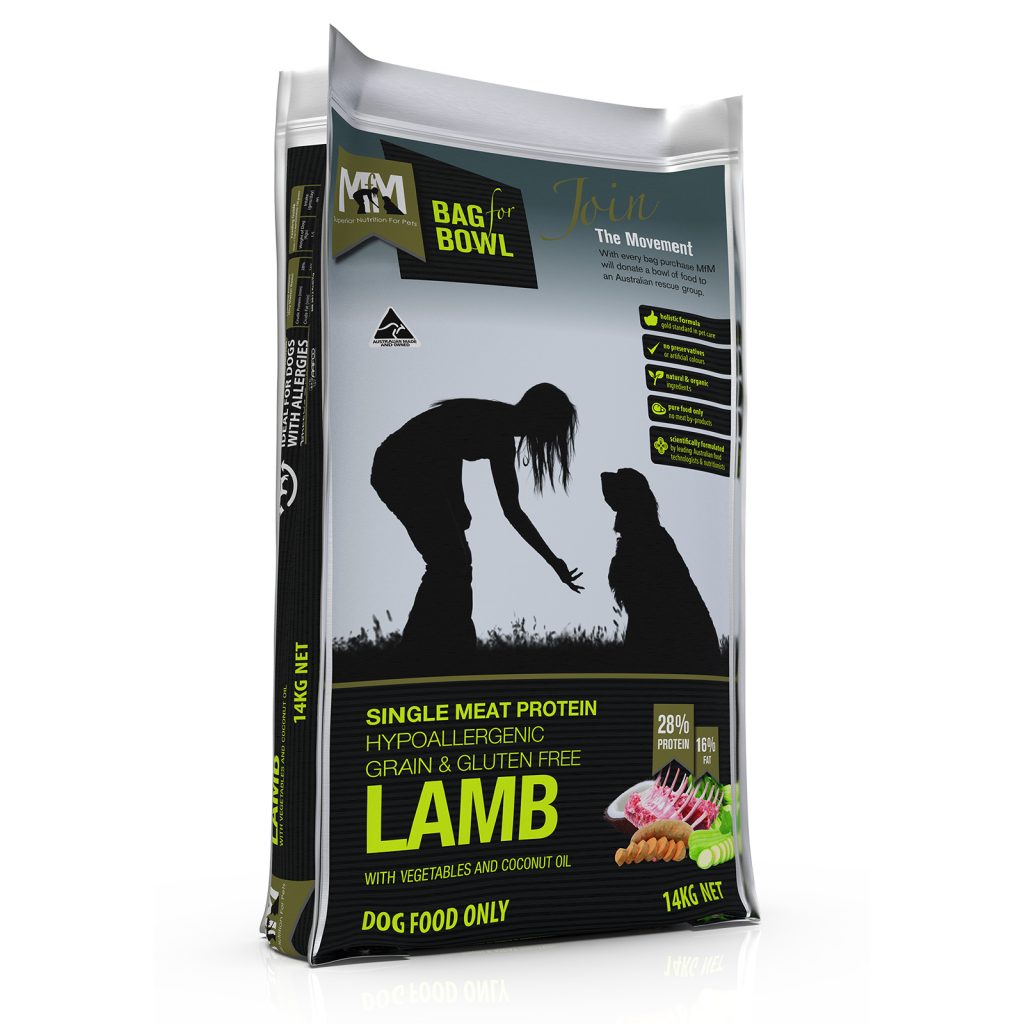
For Chicken Allergies
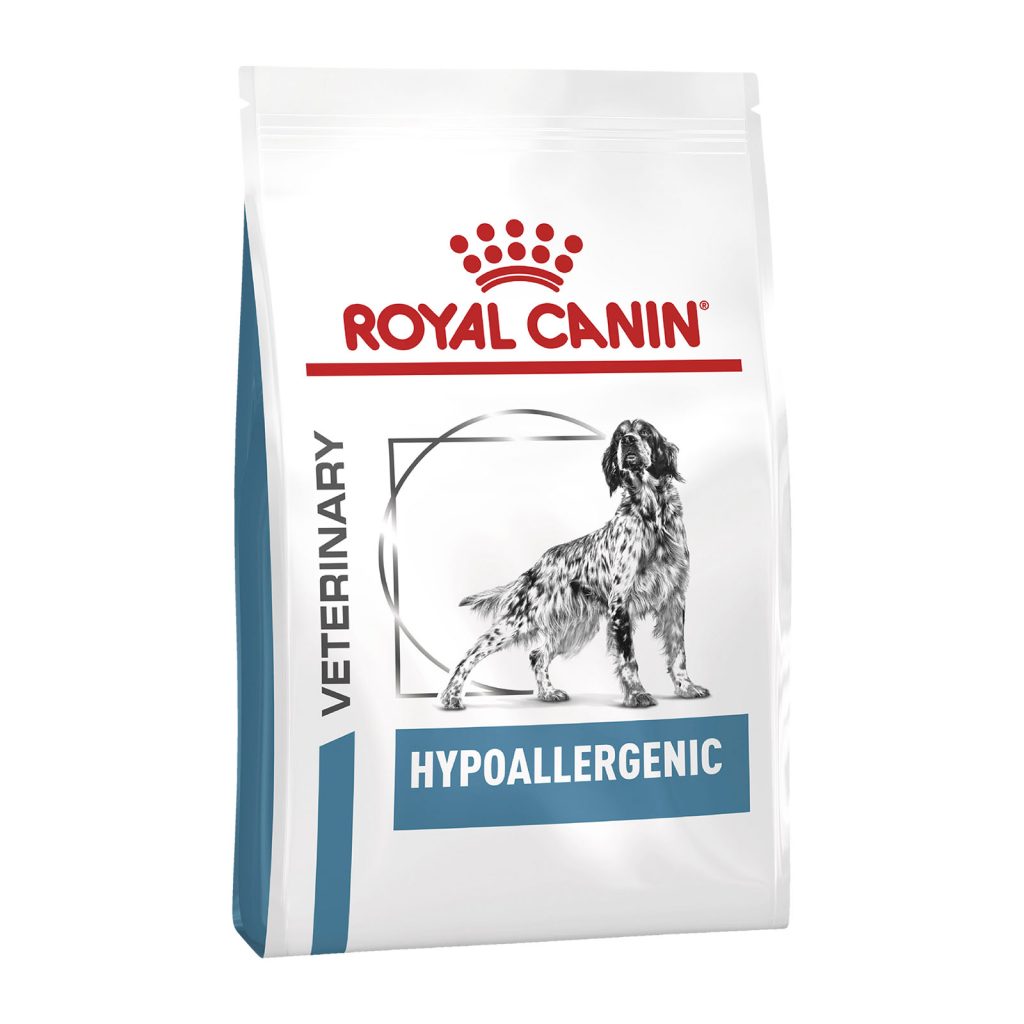
For Dairy Allergies
5. Clean water is essential. Always provide fresh, clean water alongside meals. Hydration is as important as food for your dog’s overall health.
6. Human food is not always safe. While some human foods like plain chicken, carrots, or rice are dog-friendly, others—such as chocolate, onions, garlic, grapes, and xylitol (found in sugar-free products)—can be toxic. Always double-check before sharing food.
Feeding Your Dog
Tier 1: Luxury Brands, Top of the Line
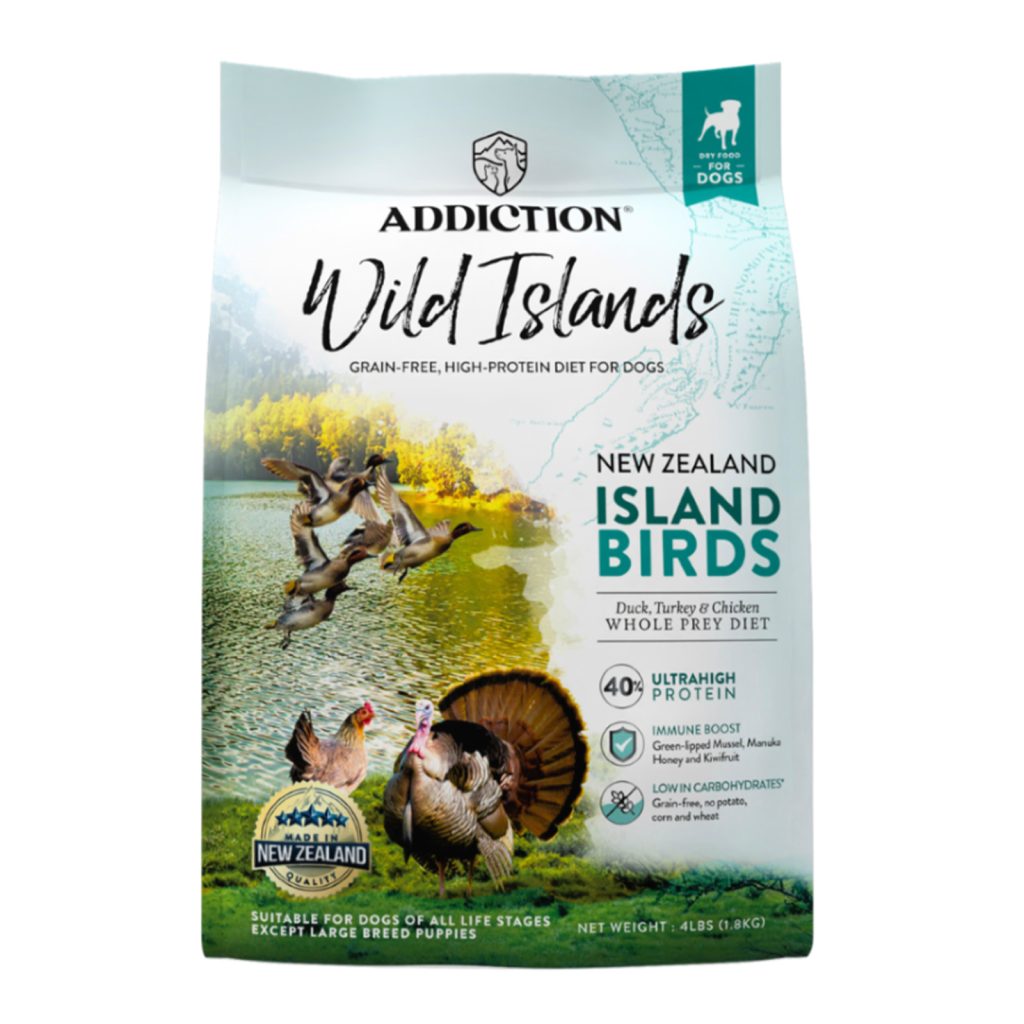
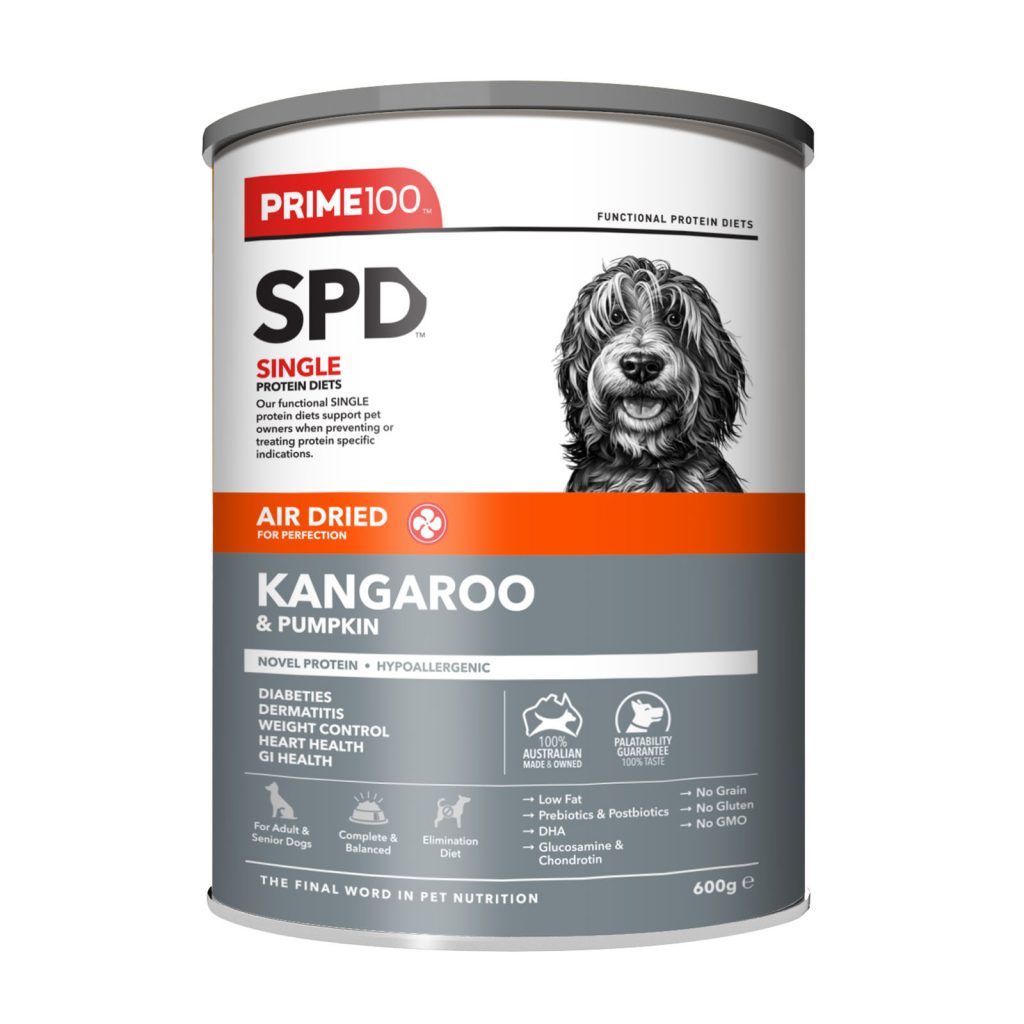
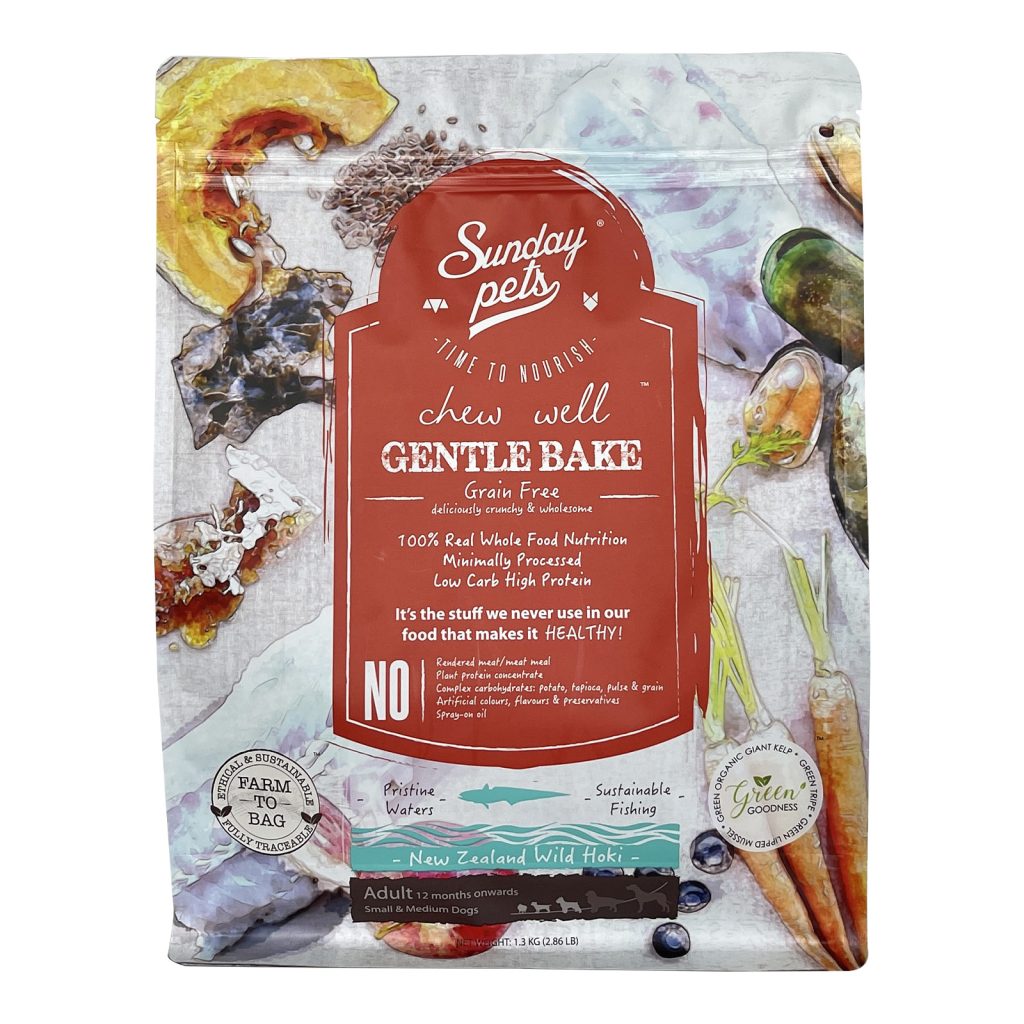
Some dog parents have the fortunate flexibility to invest in premium options that cater to your dog’s unique needs. Investing in the best the industry has to offer sits between $200-300 per month;
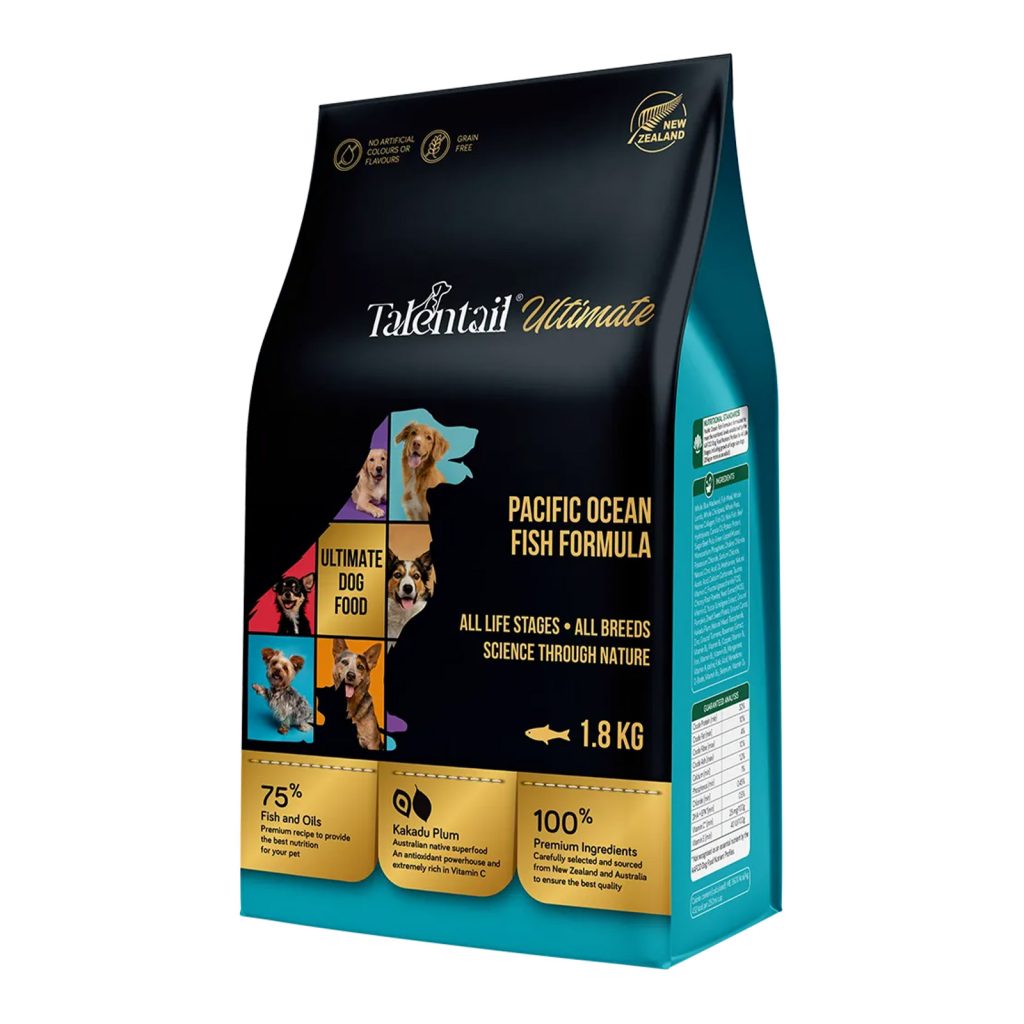
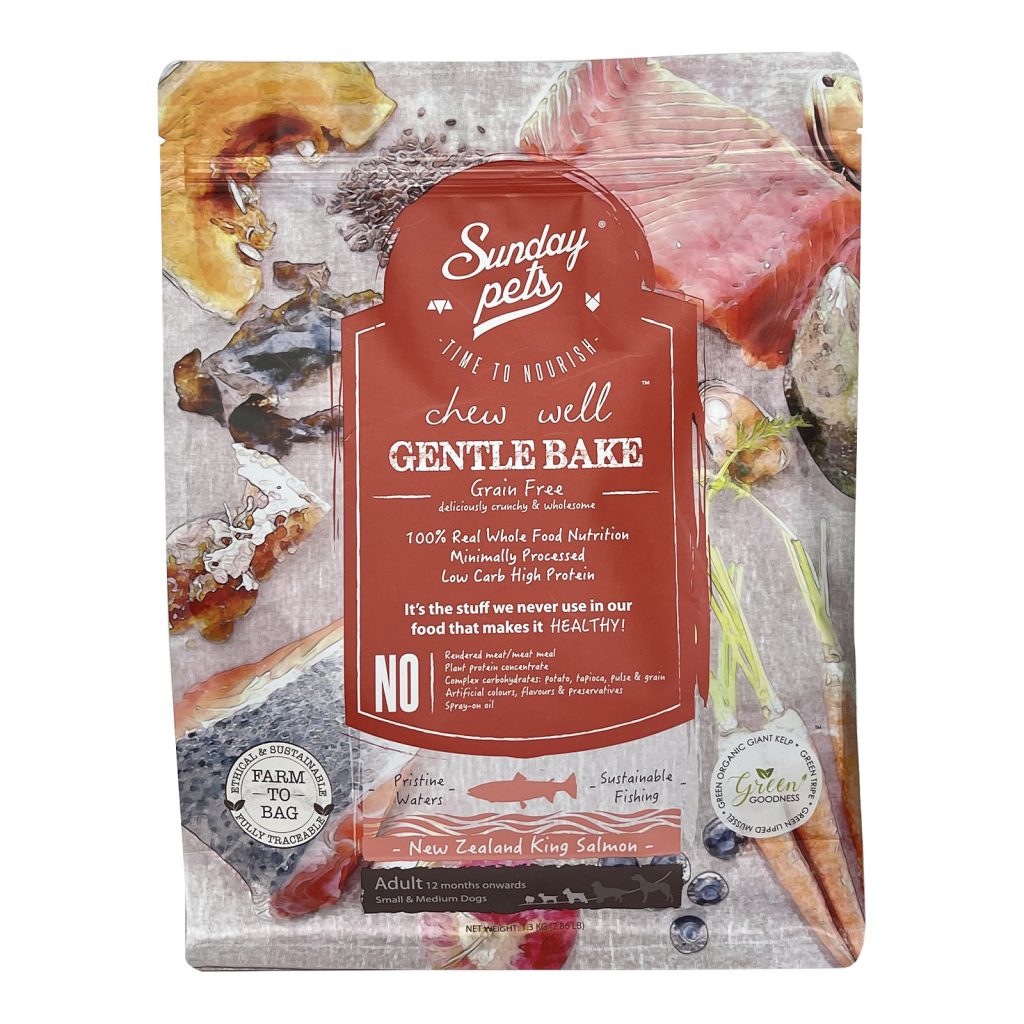
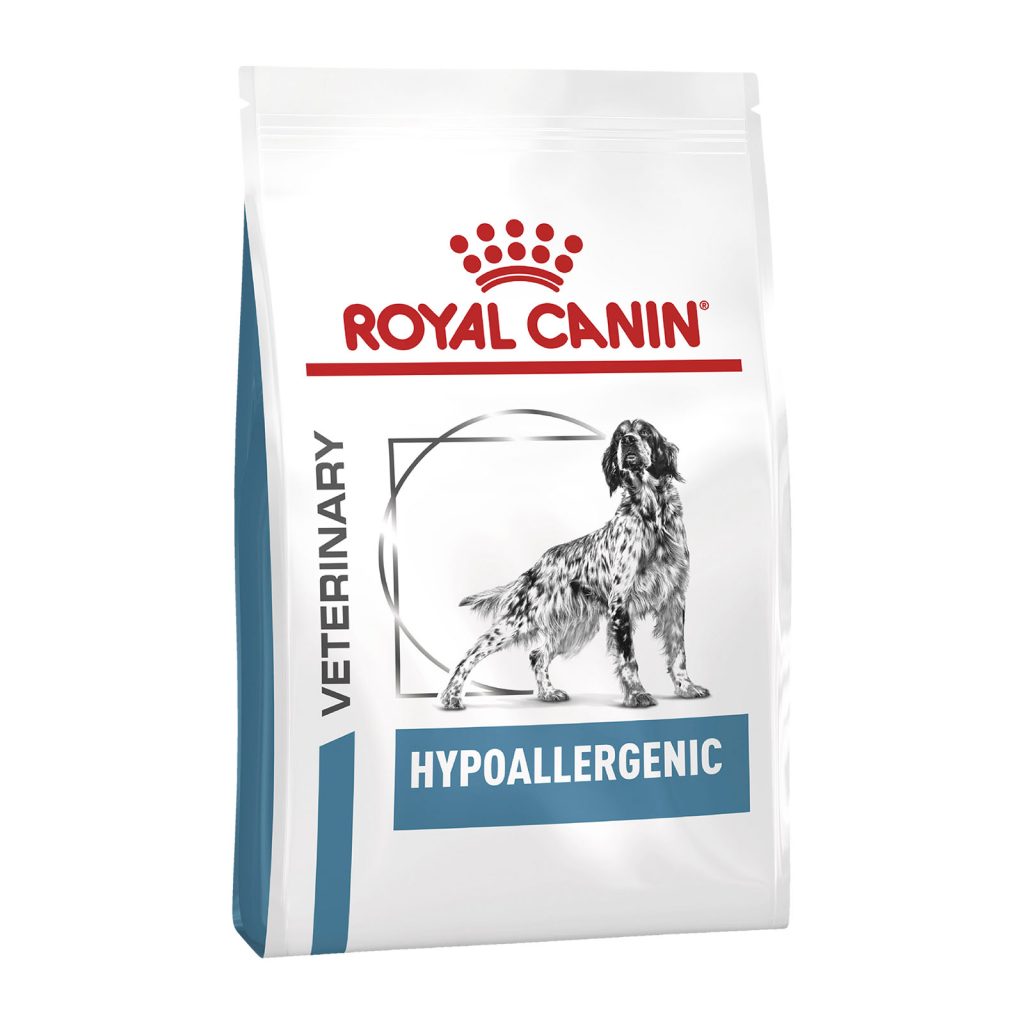
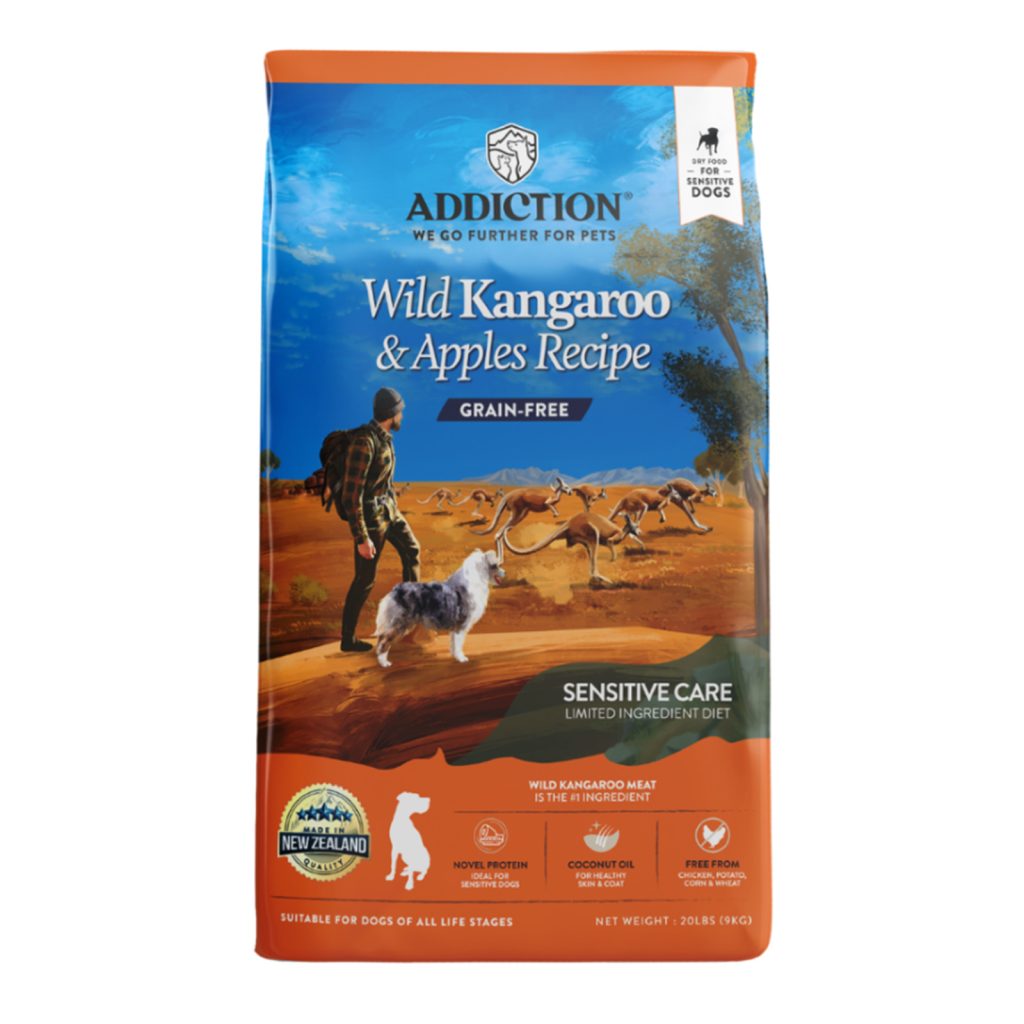
- High-Quality Commercial Dog Food: Look for premium brands with transparent ingredient lists, real meat as the first ingredient, and no fillers or artificial additives. Brands like Hills Science Diet, Royal Canin, Addiction, Prime100 and Sunday Pets are excellent examples.
- Raw or Fresh Diets: These diets include fresh, minimally processed ingredients such as raw meat, bones, organs, and vegetables. Companies like Prime100, or Ziwi Peak are great for this style of food.
- Supplements and Extras: Omega-3 fatty acids for a shiny coat, glucosamine for joint health, and probiotics for digestion are great additions for optimal health.
- Frequent Vet Checkups: Regular consultations ensure your feeding regimen supports your dog’s long-term health.
Tier 2: Standard Brands, Balancing Quality and Cost
For families in this tier, you want to provide quality nutrition without overspending:
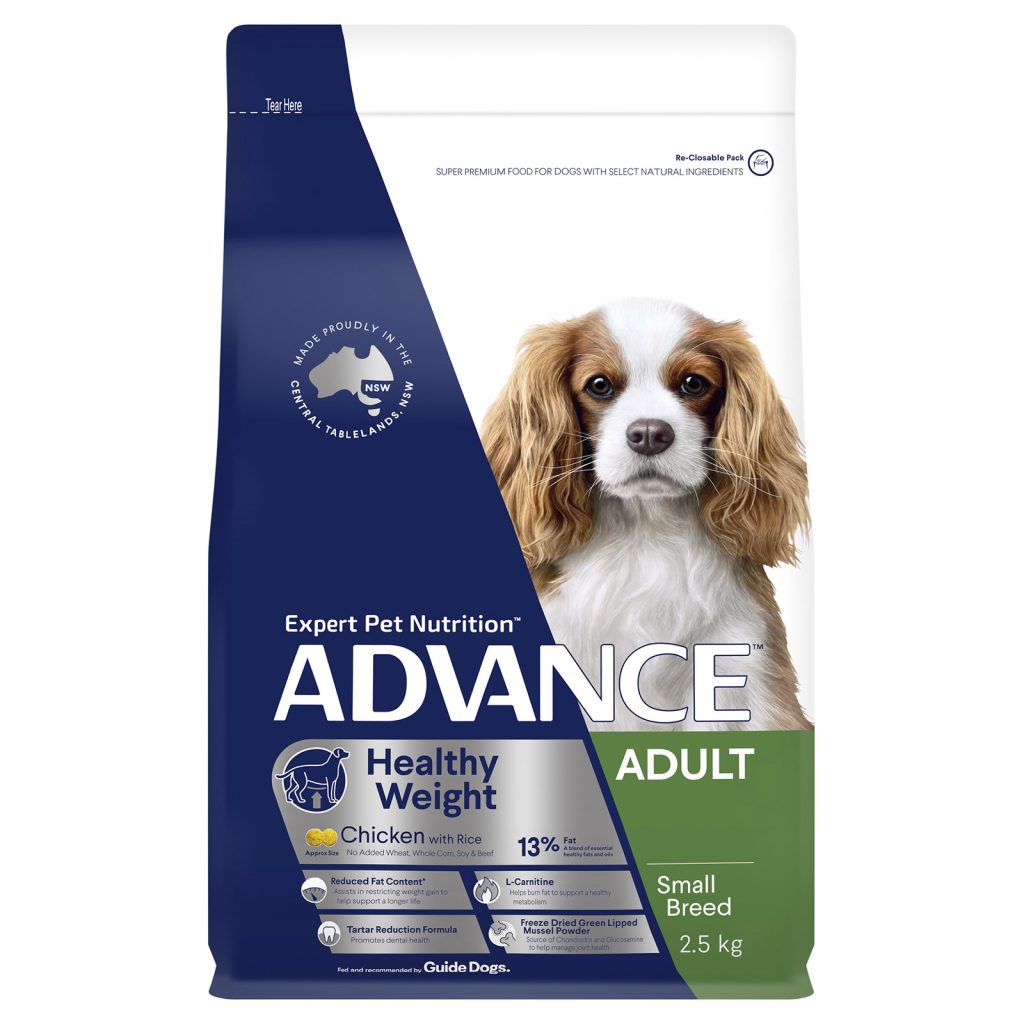
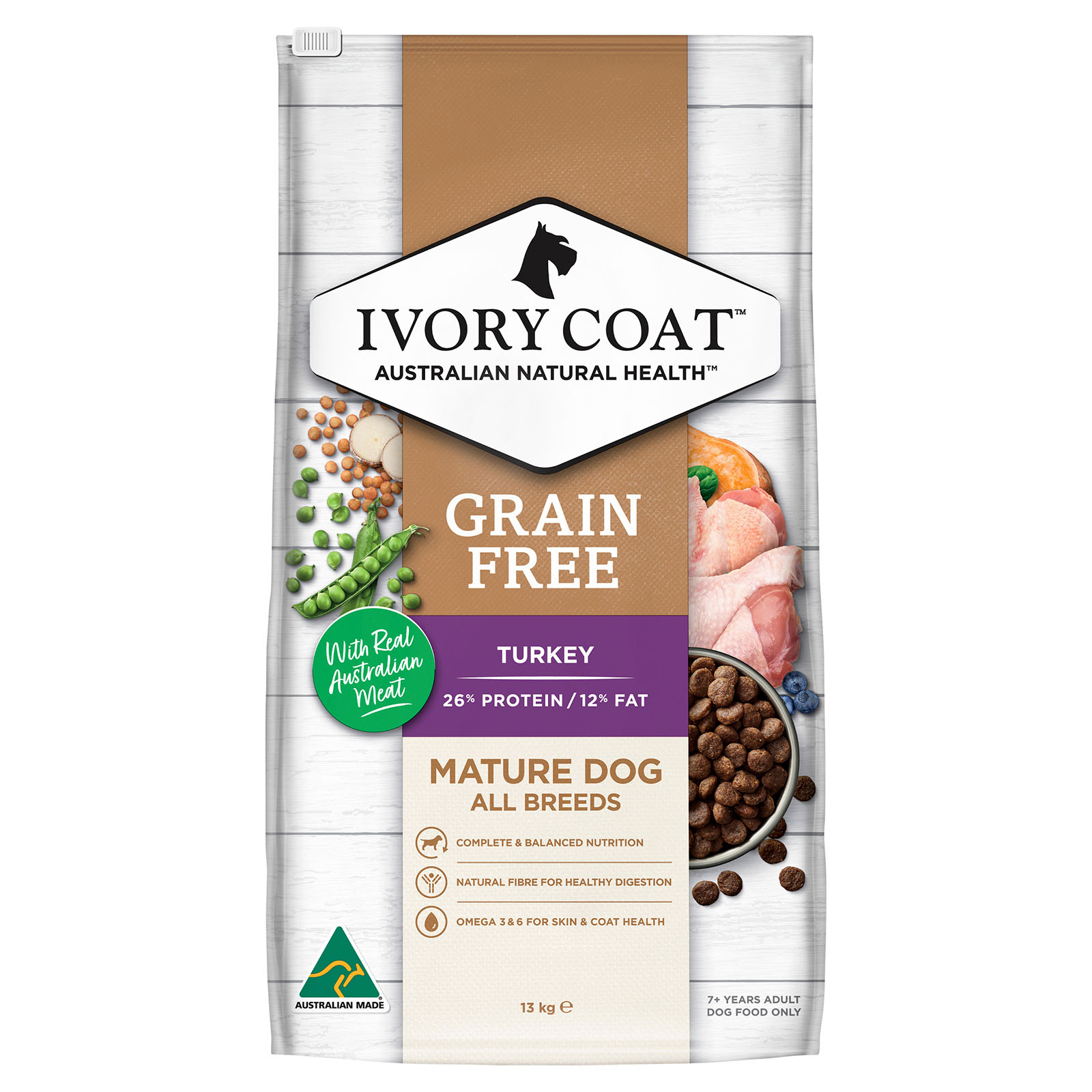
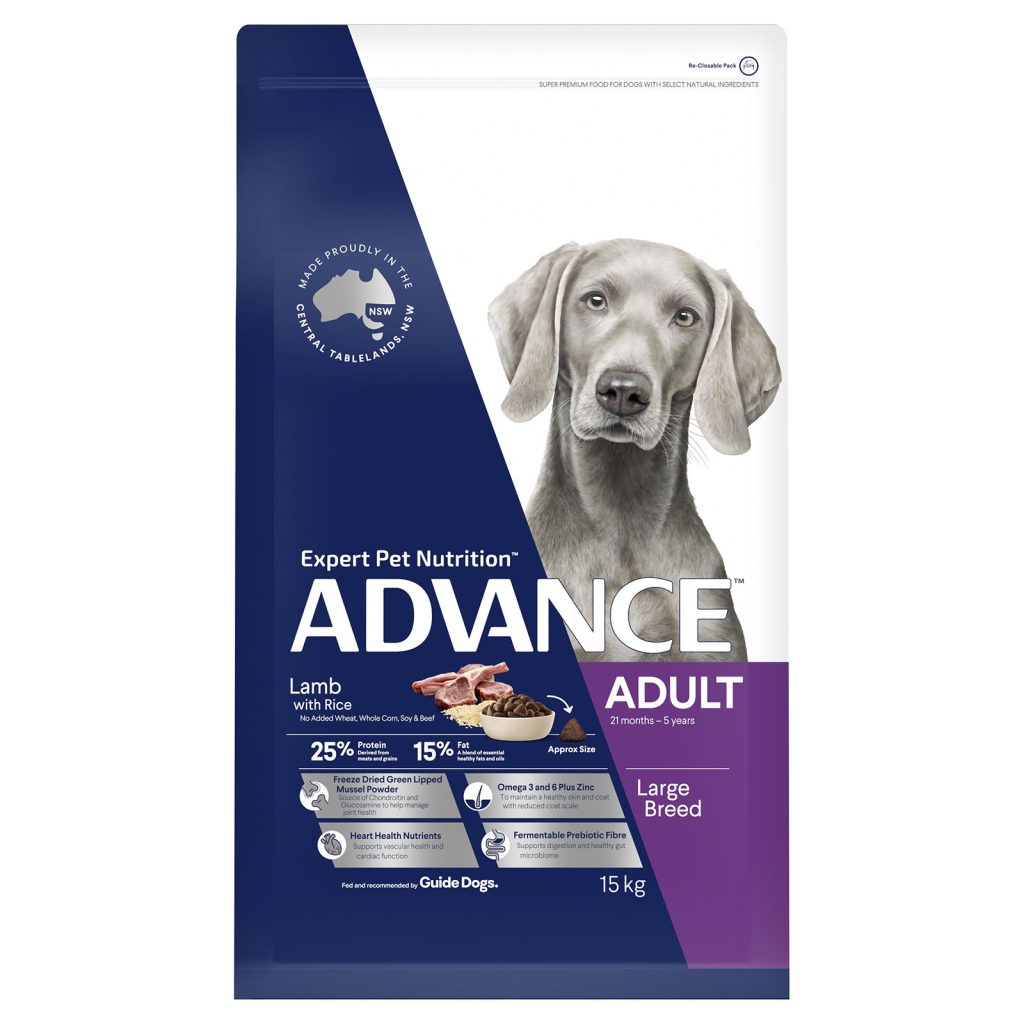
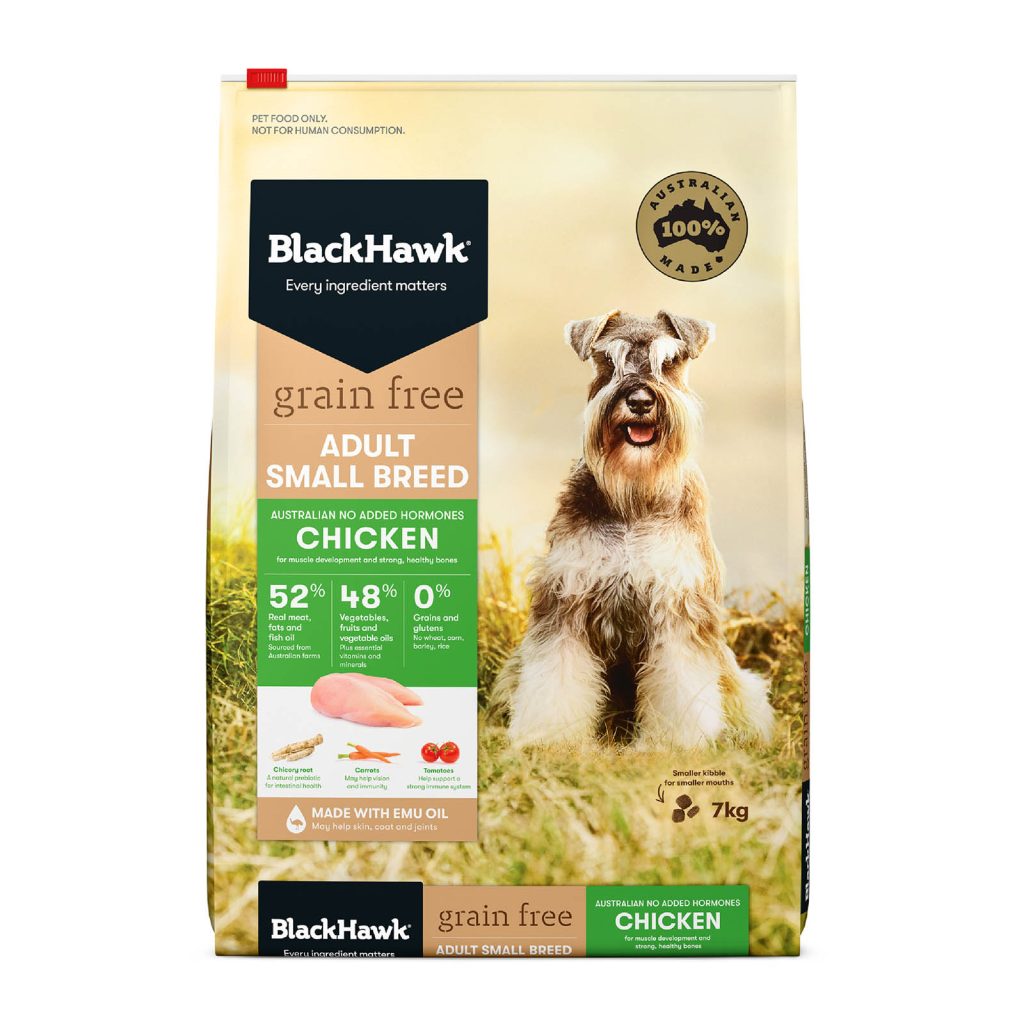
- Mid-Range Dog Food Brands: Look for trusted brands that offer balanced nutrition at a reasonable price, such as Black Hawk, Advance, Meals for Mutts, Ivory Coat or Optimum. Focus on products with real meat as the primary ingredient and minimal fillers.
- Occasional Fresh Additions: Enhance your dog’s meals with safe human foods like boiled chicken, sweet potatoes, or steamed veggies as occasional treats.
- Smart Shopping: Look for sales, bulk-buy deals, or subscribe-and-save options online to stretch your budget further.
- Homemade Meals: With guidance from your vet, you can prepare cost-effective and balanced meals using fresh ingredients from your kitchen.
- Supplements When Needed: Add supplements like fish oil or multivitamins if your budget allows.
Tier 3: On a Budget, Foods that Deliver
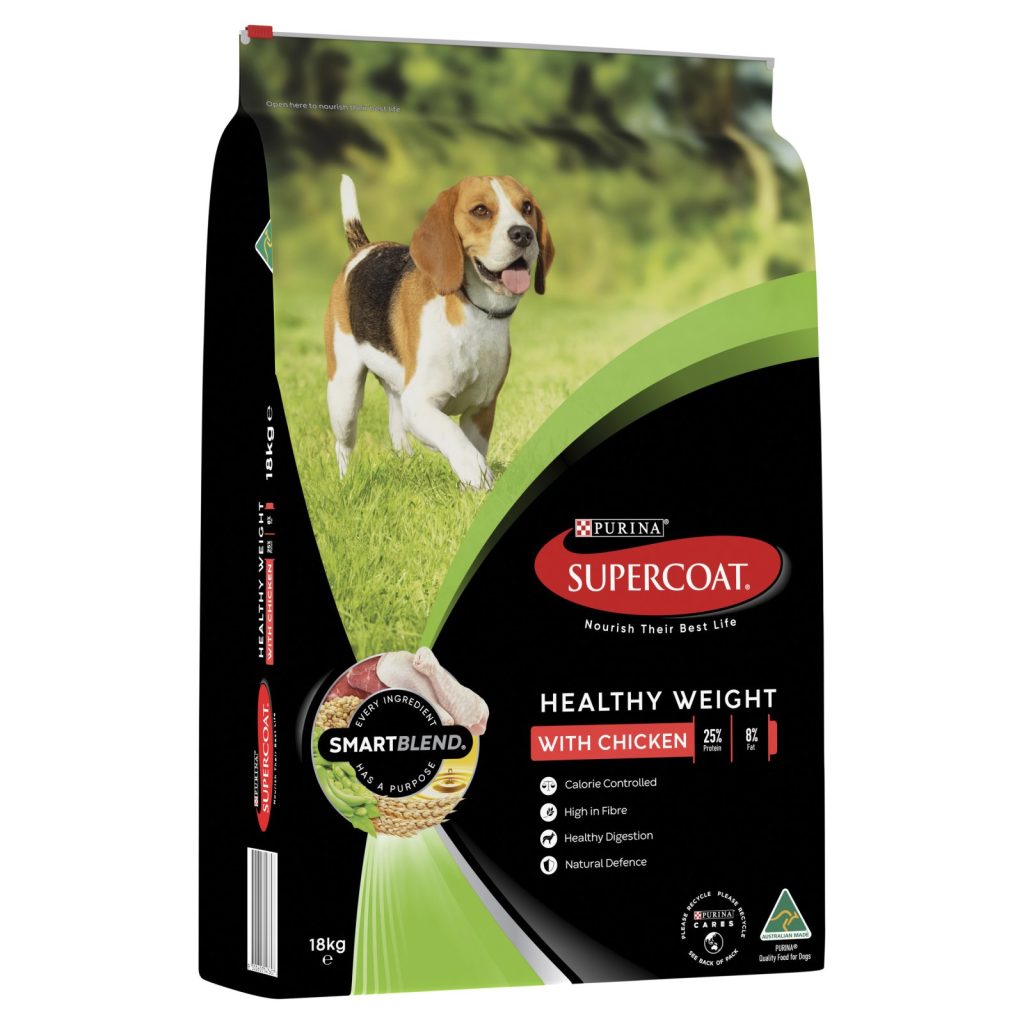
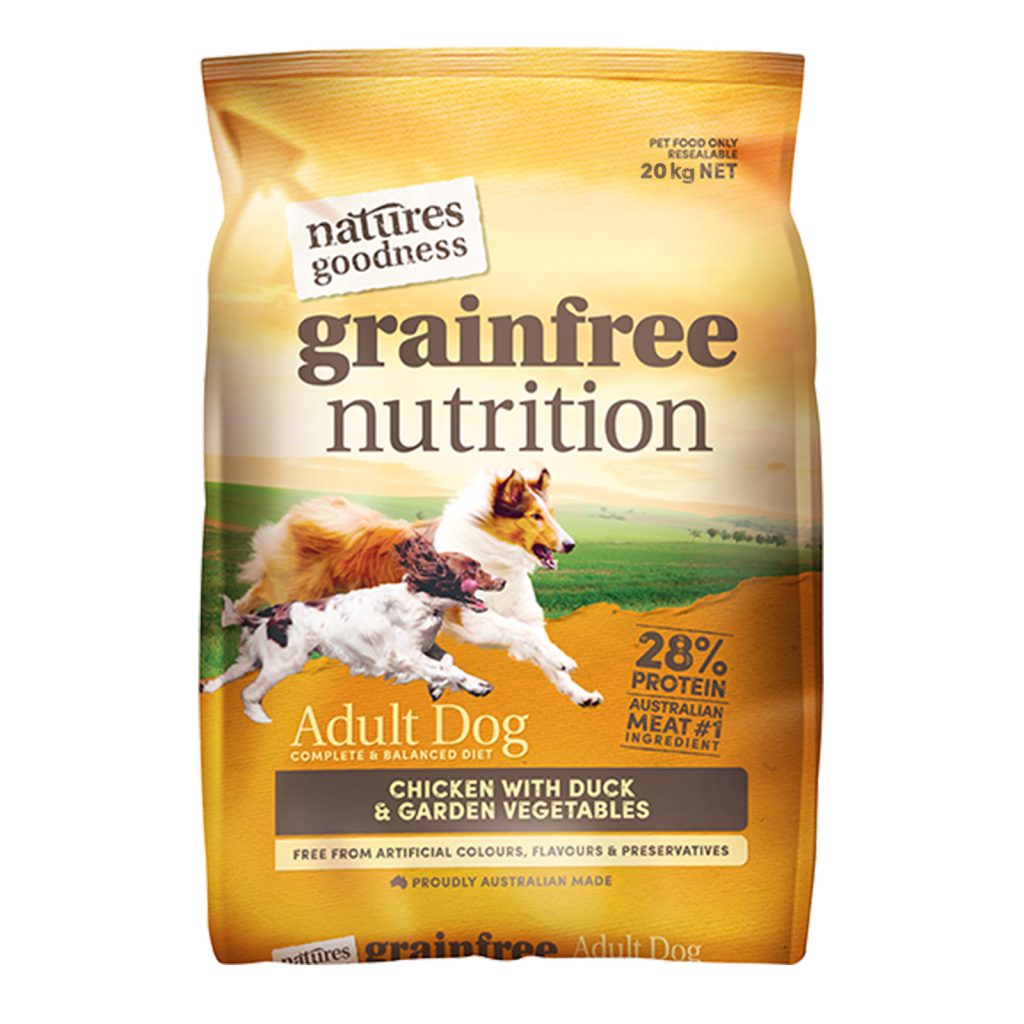
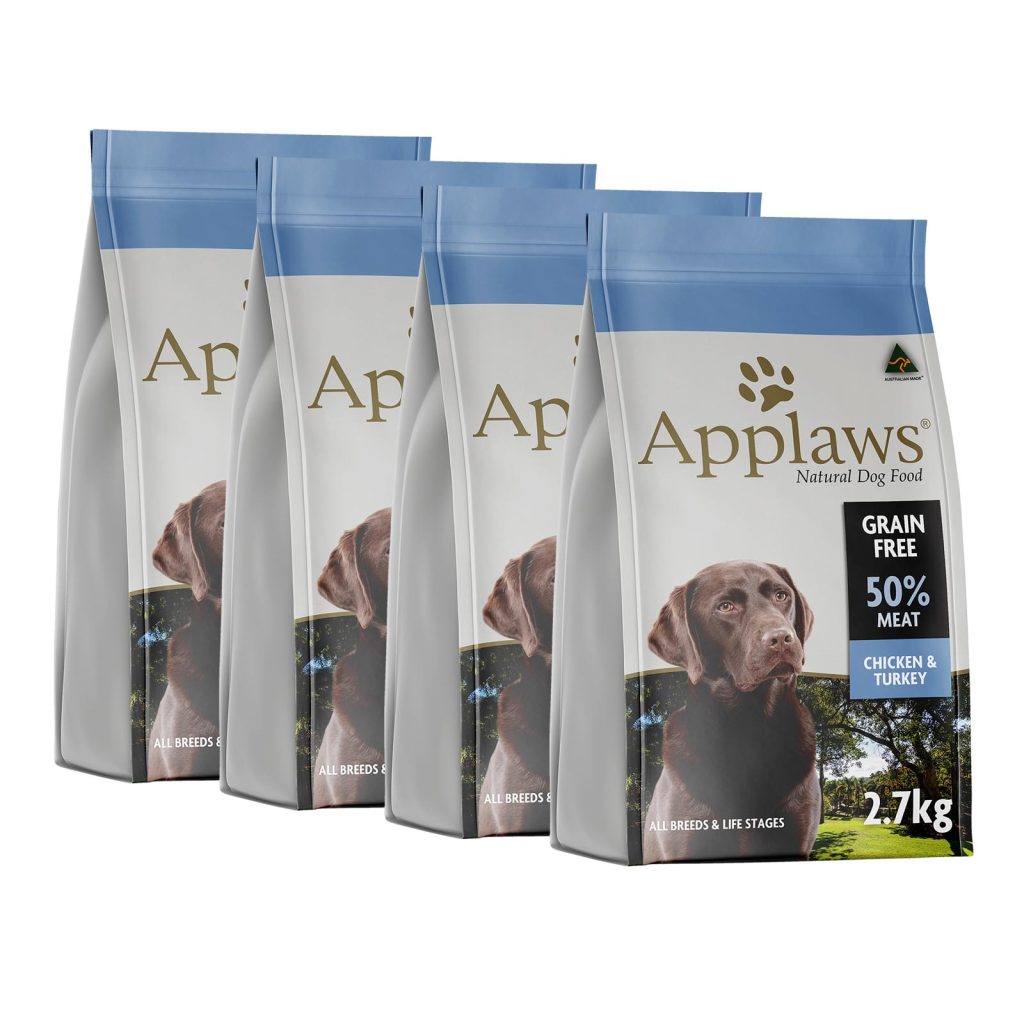
For those trying not to break the bank but still wanting to give your pup the best you can offer, try out some of these foods:
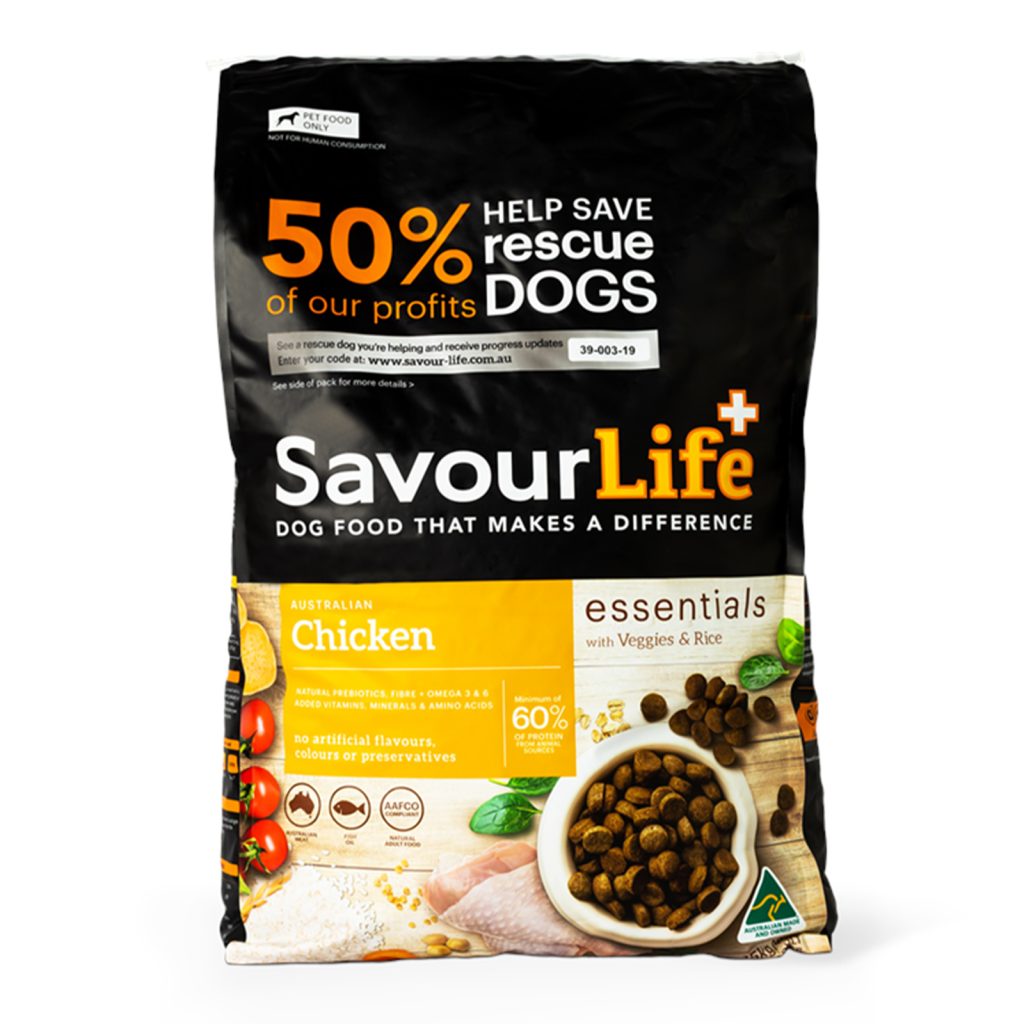
- Affordable Commercial Dog Food: Opt for reputable budget-friendly brands like Supercoat, Nature's Goodness and Applaws with decent nutritional value. Avoid generic brands with unrecognizable ingredients or fillers.
- Home-Cooked Basics: Simple, vet-approved meals like plain rice, chicken, and mixed vegetables can be cost-effective and nutritious.
- Portion Control: Feeding the right amount ensures your dog gets the nutrition they need without wasting food.
- Avoid Cheap Treats: Instead of buying low-quality treats that could potentially hinder your dog's health, consider inexpensive homemade options like carrot/celery sticks, apple slices (without seeds), leftover pieces of meat (no fat or cooked bones).
- Free or Discounted Resources: Look for community programs, pet food banks, or shelters that may offer free or discounted pet food (i.e.; Budget Pet Products hosts a discount "broken bag" sale every few months with discounted dog and cat food for the community).
Why Feeding Your Dog Within Your Means Is Enough
At the end of the day, the most important thing is providing consistent, balanced meals that keep your dog nourished and happy. Dogs don’t judge their meals by the brand or price; they value the love and care you provide. If your dog’s tail is wagging, their eyes are bright, and their health is stable, you’re doing a fantastic job.
No matter your financial situation, feeding your dog is about making informed choices and doing the best you can with the resources available. In the following sections, we’ll dive deeper into choosing the right food, understanding labels, and adapting to your dog’s specific needs.
Meal building examples (with links) for all types of dogs and budgets!
Here are some real meal ideas and examples for your furry friend, tailored to various budgets!

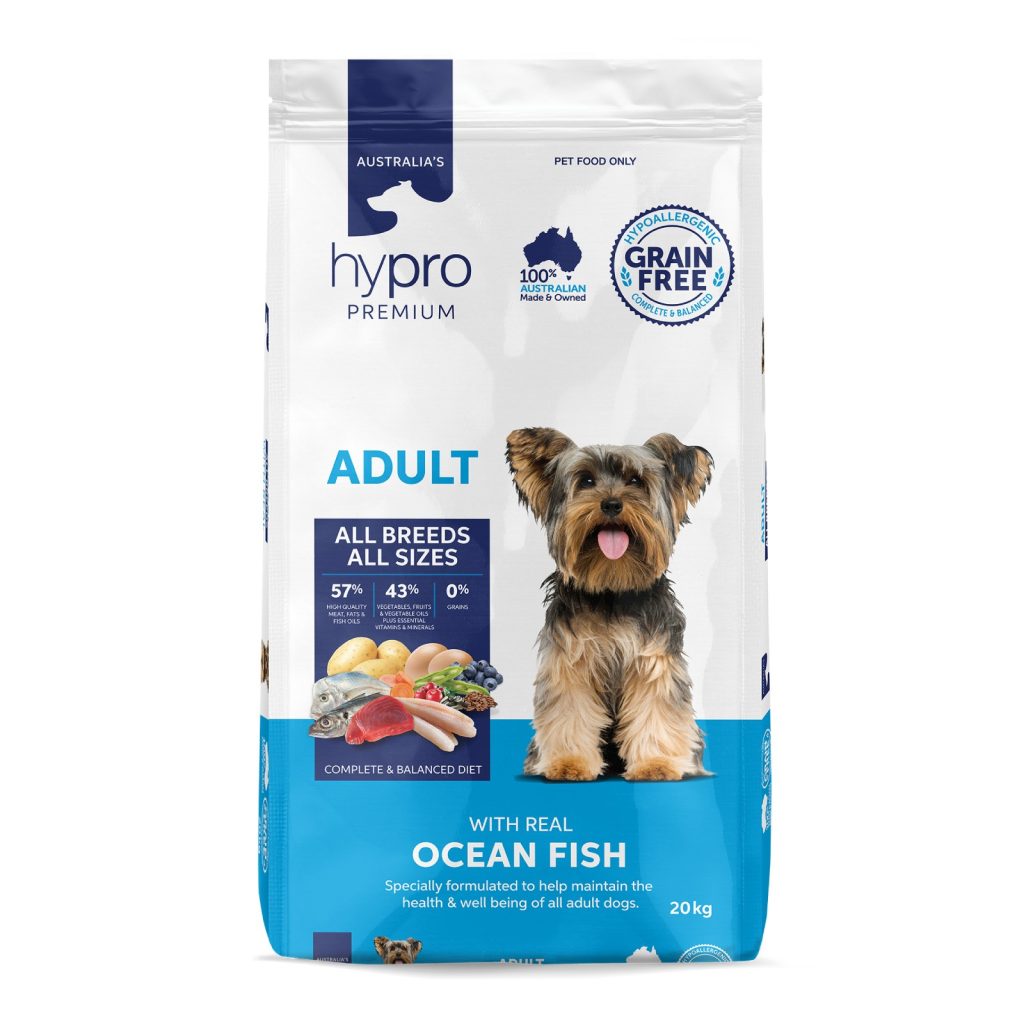
Frankie
Age: 5
Breed: German Shepherd
Quirks: Allergic to Grains
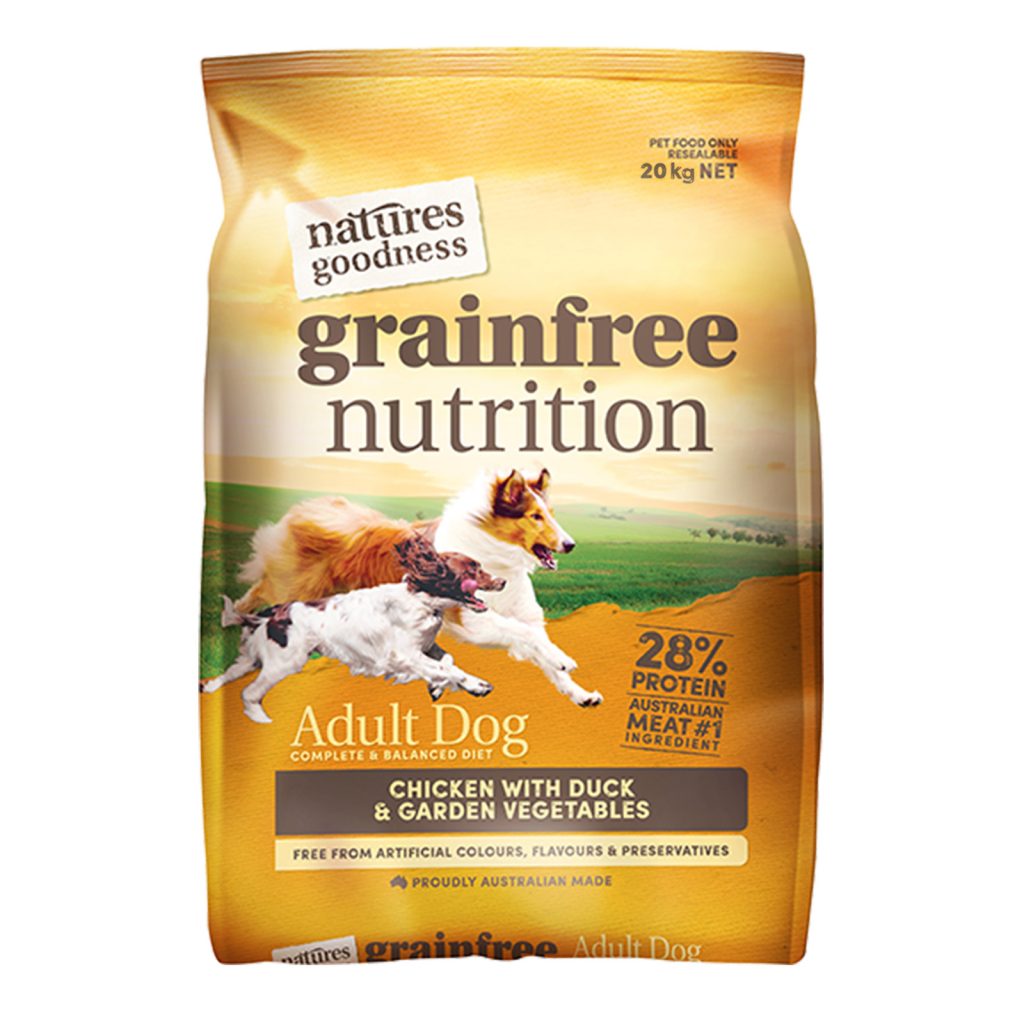
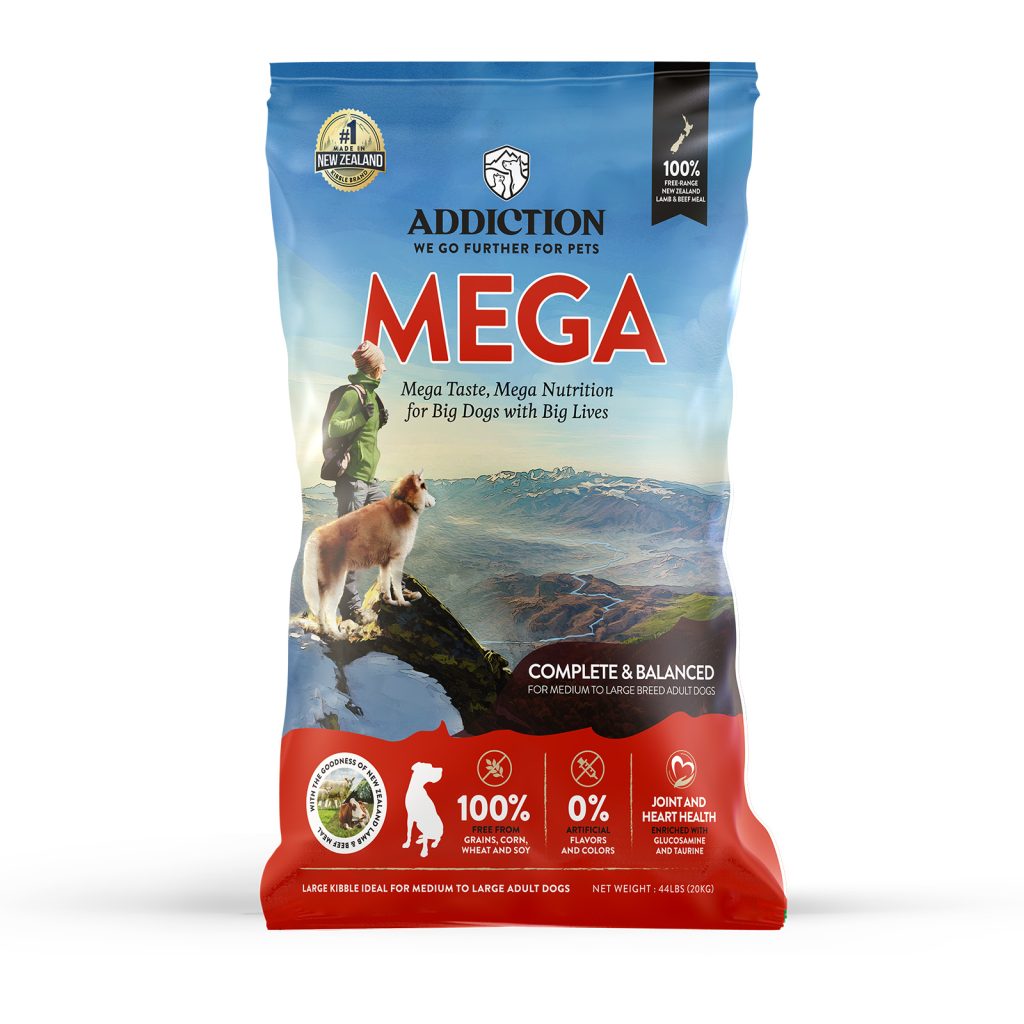

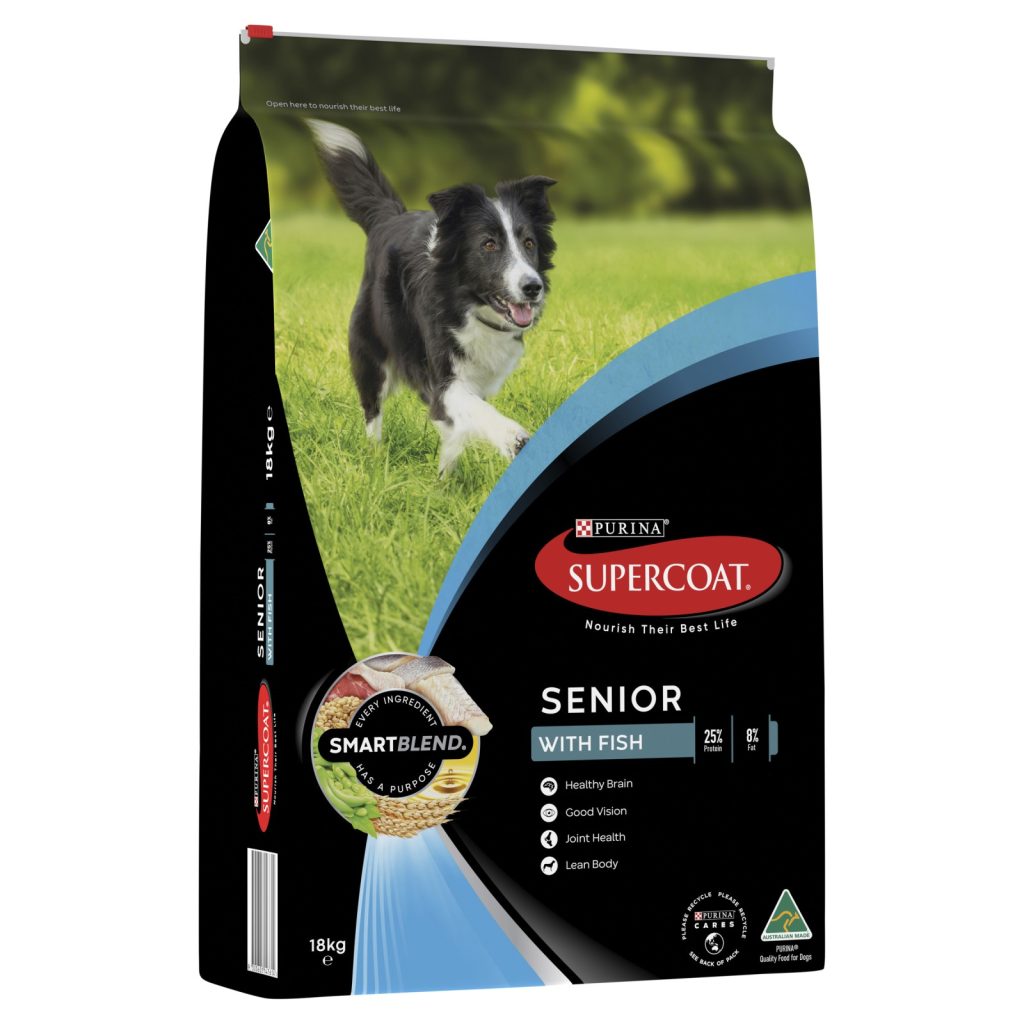
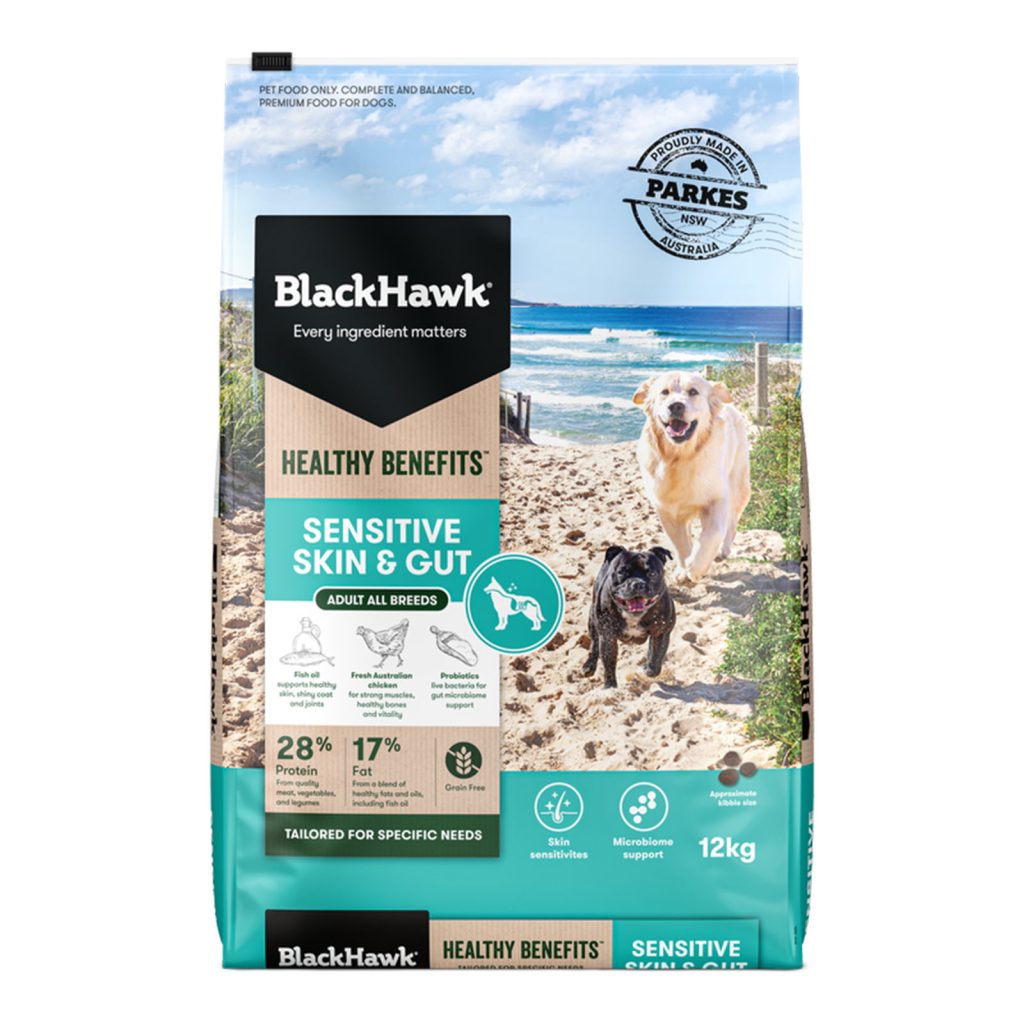
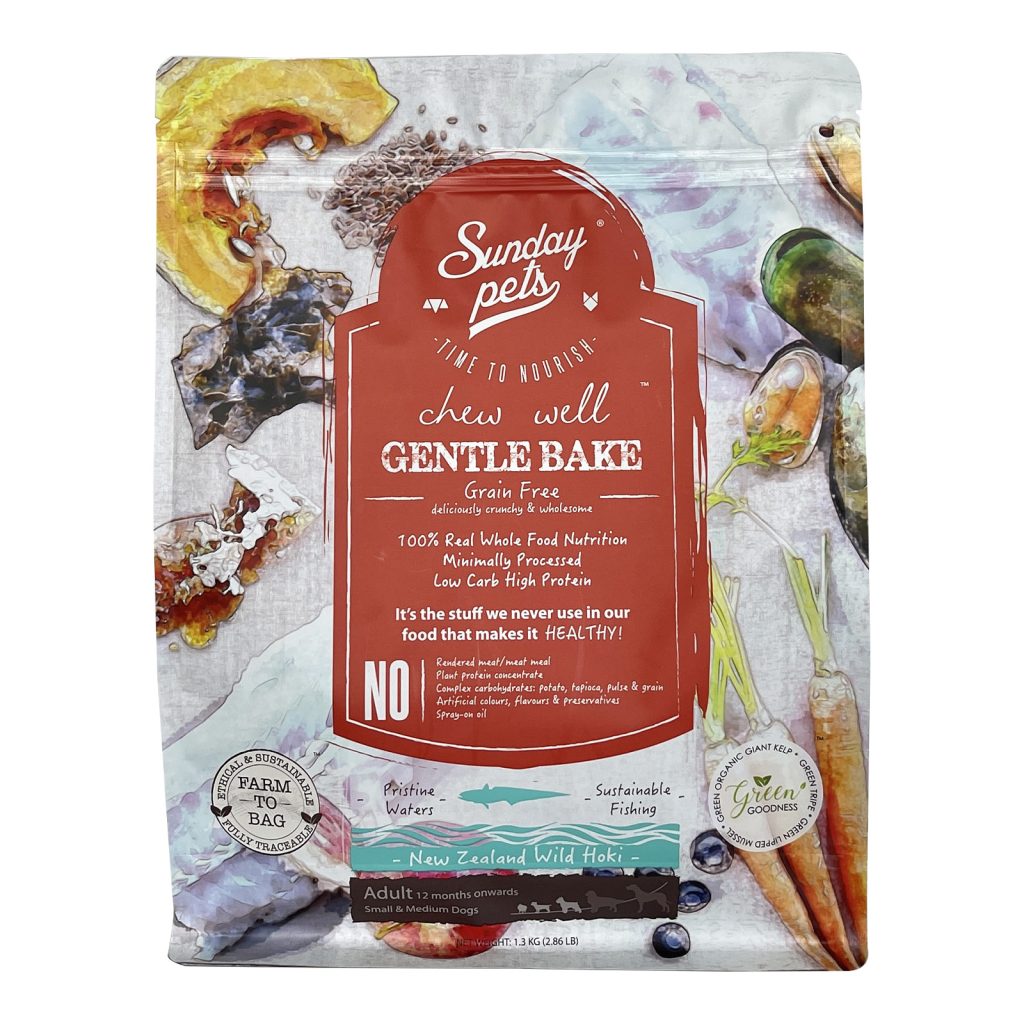
Willow
Age: 8
Breed: French Bulldog
Quirks: Sensitive Stomach

Elsie
Age: 3
Breed: Labrador Retriever
Quirks: Allergic to Chicken
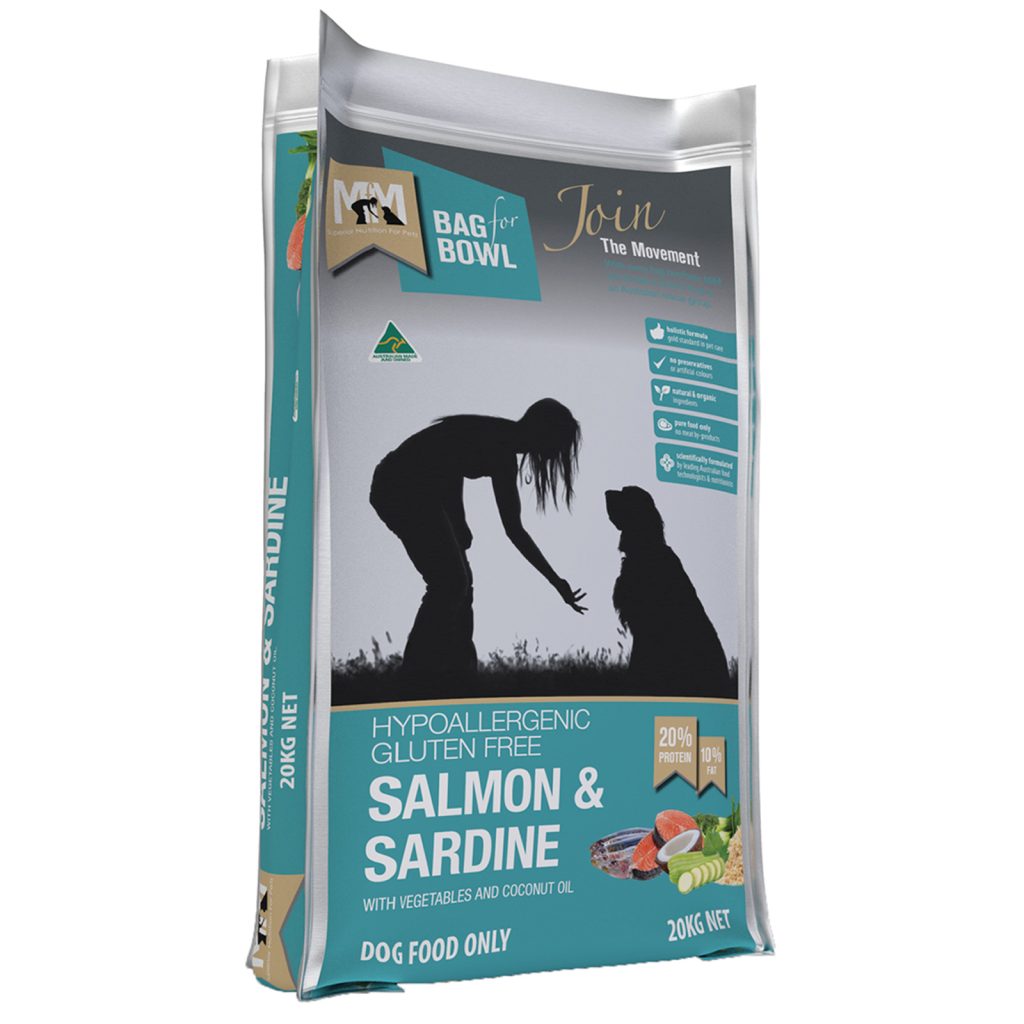
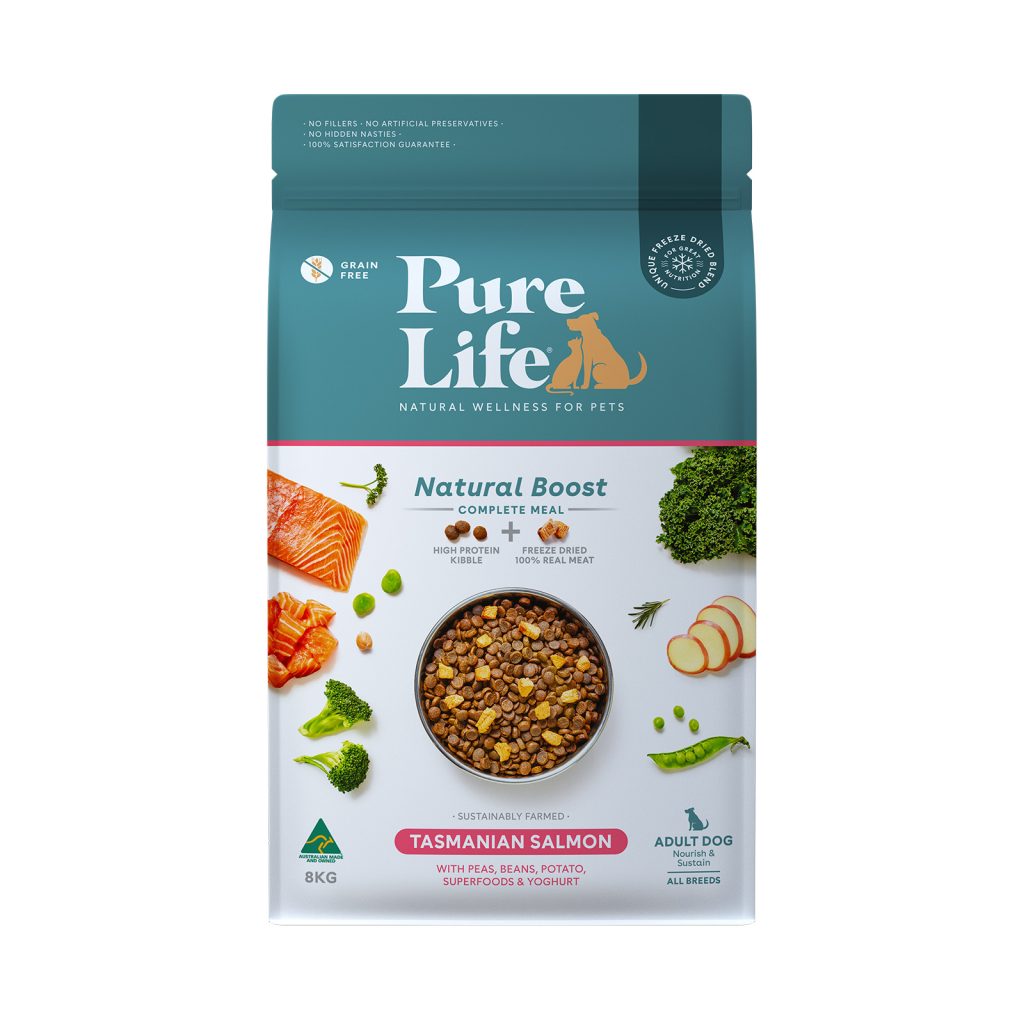
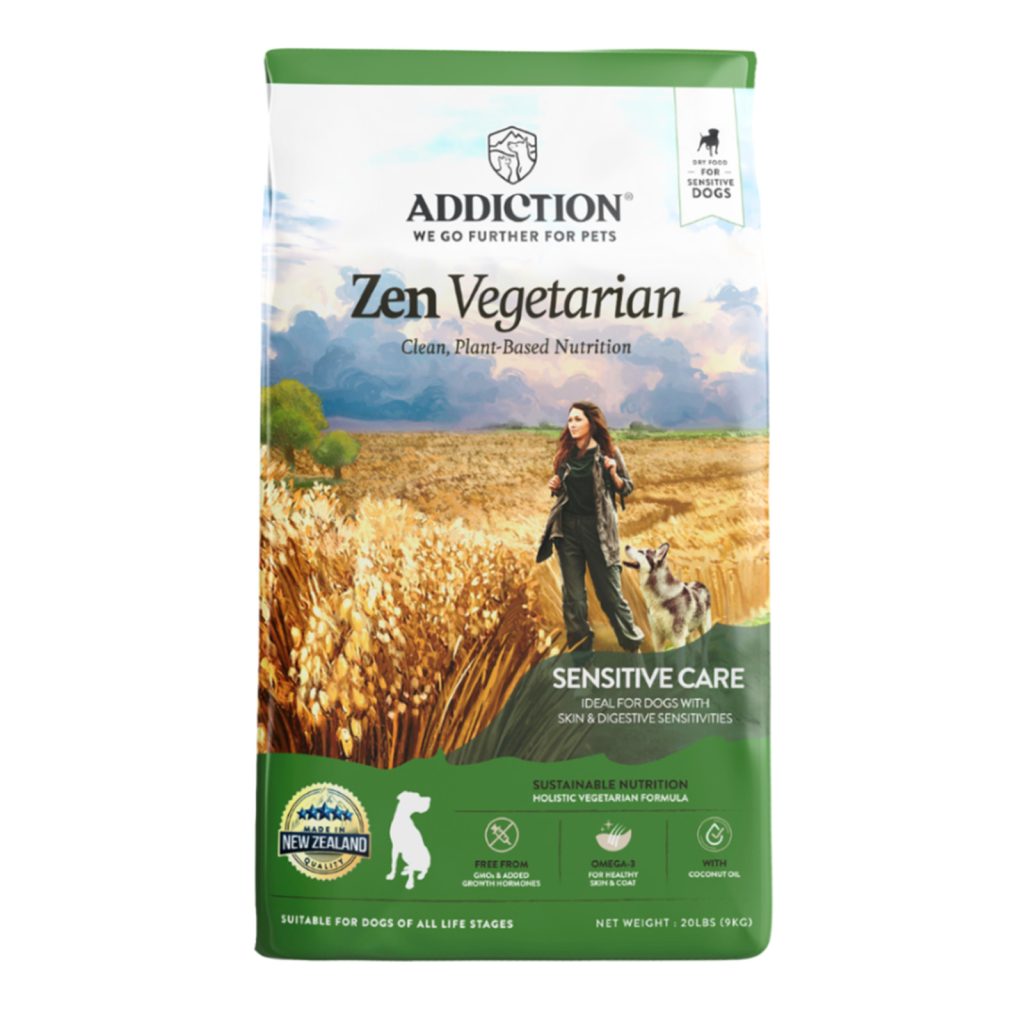

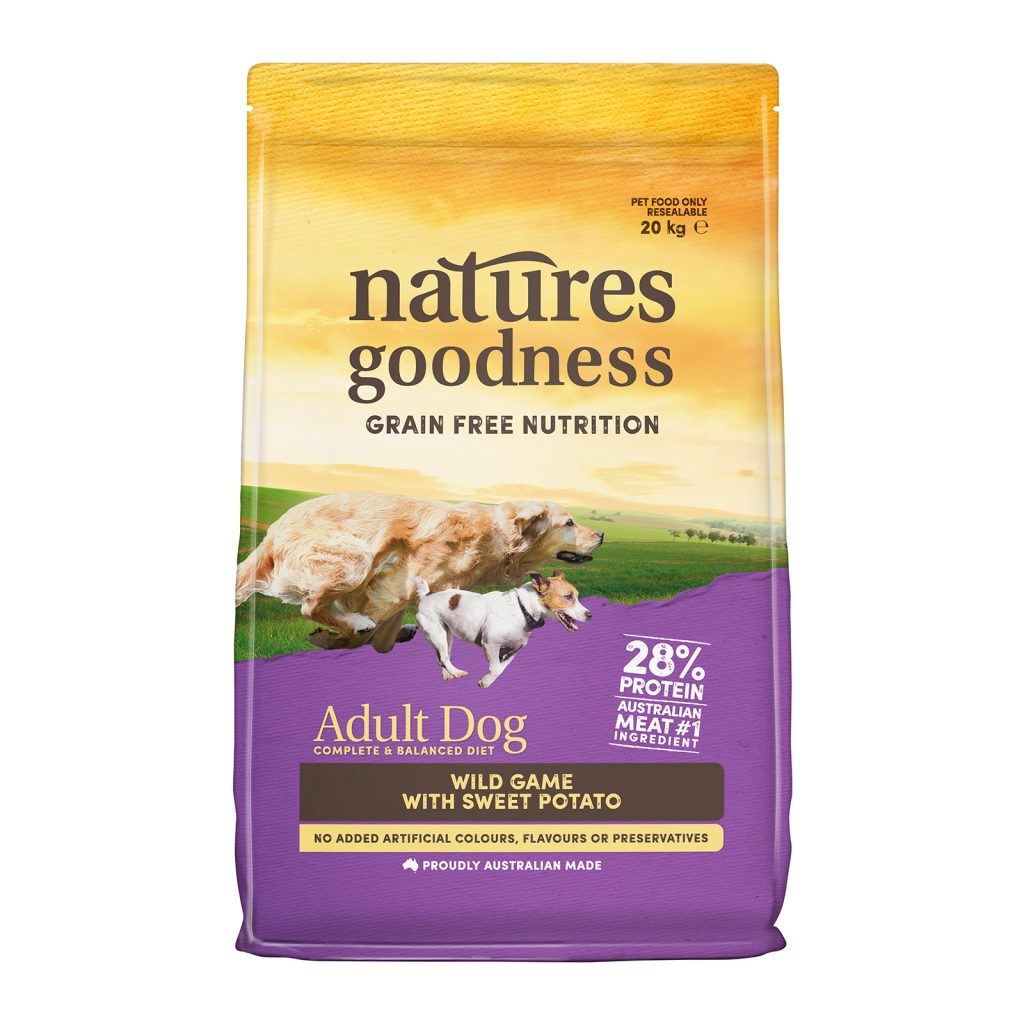
Sasha
Age: 2
Breed: Cavalier King Charles Spaniel
Quirks: Fussy

Max
Age: 4
Breed: Vizsla [Hungarian Pointer]
Quirks: Sensitive Skin

Ziggy
Age: 7
Breed: Australian Shepherd
Quirks: None