Ultimate Kitten Feeding Guide

Are you a proud kitten parent looking for expert guidance on what kitten food to feed your adorable furball? Look no further! Our comprehensive kitten feeding guide will provide you with all the information you need to ensure your little one gets the nourishment they require at every stage of their development. From how much to feed them to how often to feed kittens, we've got you covered with not only information but also all the kitten essentials you'll need. Let's dive right in!
What Should I Feed my Kitten at each stage
Feeding your kitten depends on several factors, including age, size, and breed. Let's explore the different stages and their respective dietary needs:
Feeding Newborn Kittens
During the first 0-4 weeks, newborn kittens require special care and a specific diet. They should ideally be fed their mother's milk or a suitable milk replacement formula. As they grow, you can gradually introduce wet kitten food mixed with formula until they transition completely to solid food.
Feeding Kittens after 4-7 weeks
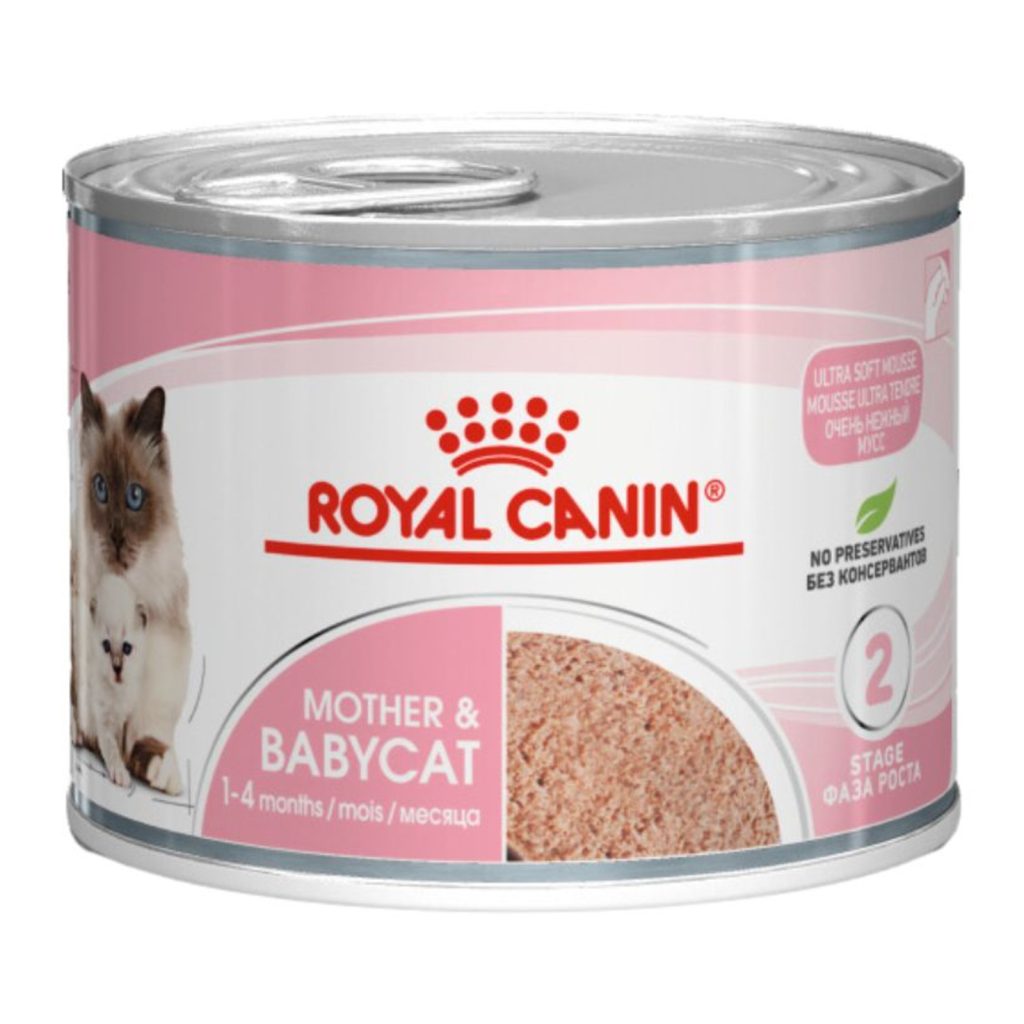
Between weeks 4-7, kittens are ready to explore more solid foods. Offer them a mixture of wet and dry kitten food, gradually increasing the ratio of solids to liquids. Monitor their appetite and adjust portion sizes accordingly. Royal Canin Mother And Babycat Cans are an excellent option for this early kitten stage.
Feeding Kittens 7 weeks to 10 months
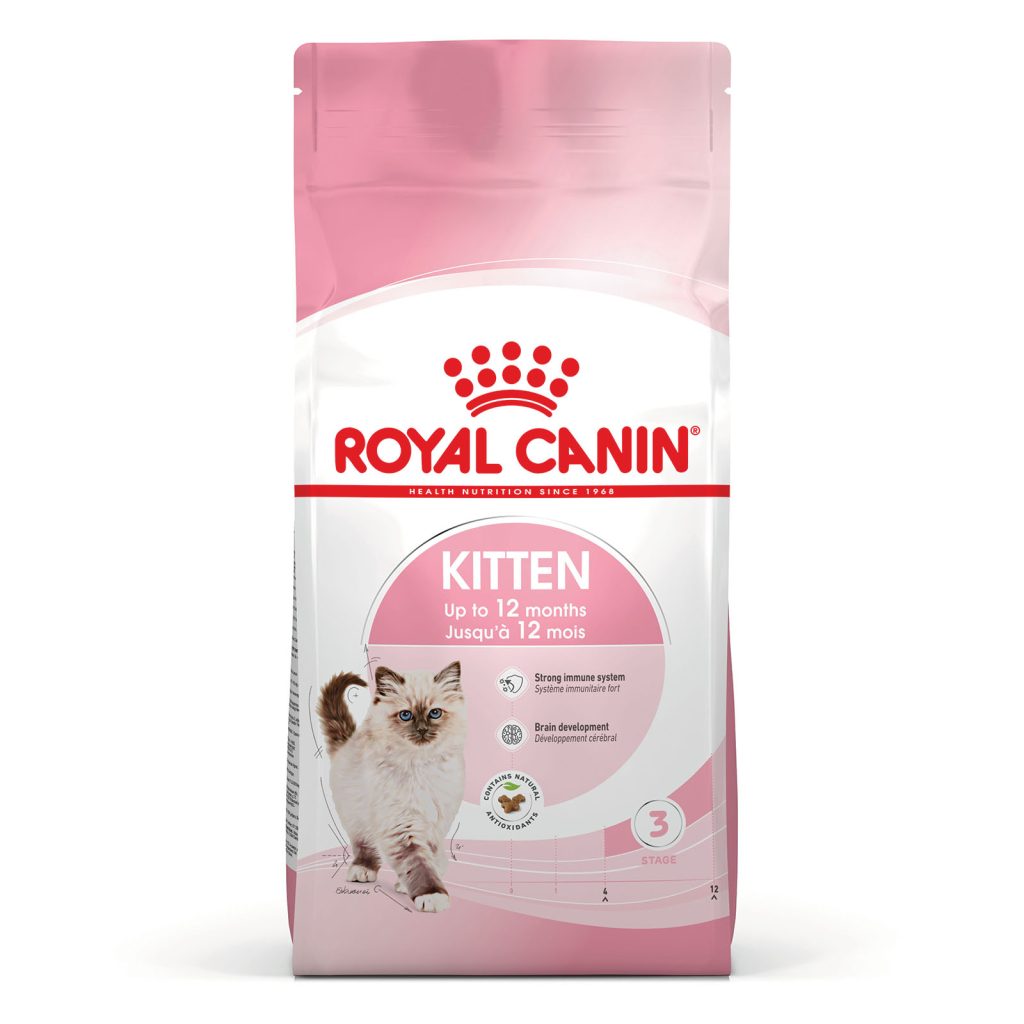
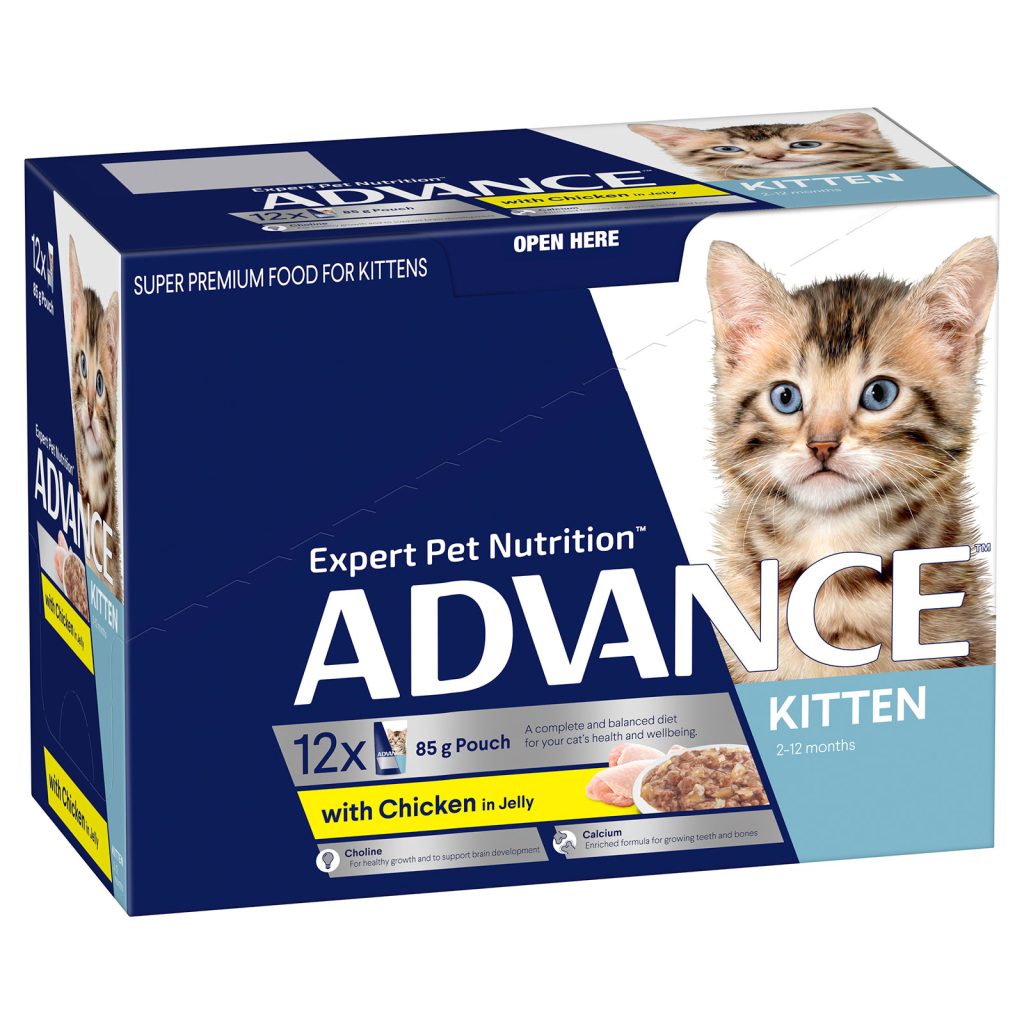
As your kittens grow from 7 weeks to 10 months, they can consume more solid food. Offer them a balanced diet of high-quality kitten food, both wet and dry. Make sure to follow the recommended feeding guidelines based on their weight and monitor their growth and overall health. Advance With Chicken In Jelly Kitten 2-12 Months Pouches Wet Cat Food is a great option for this stage.
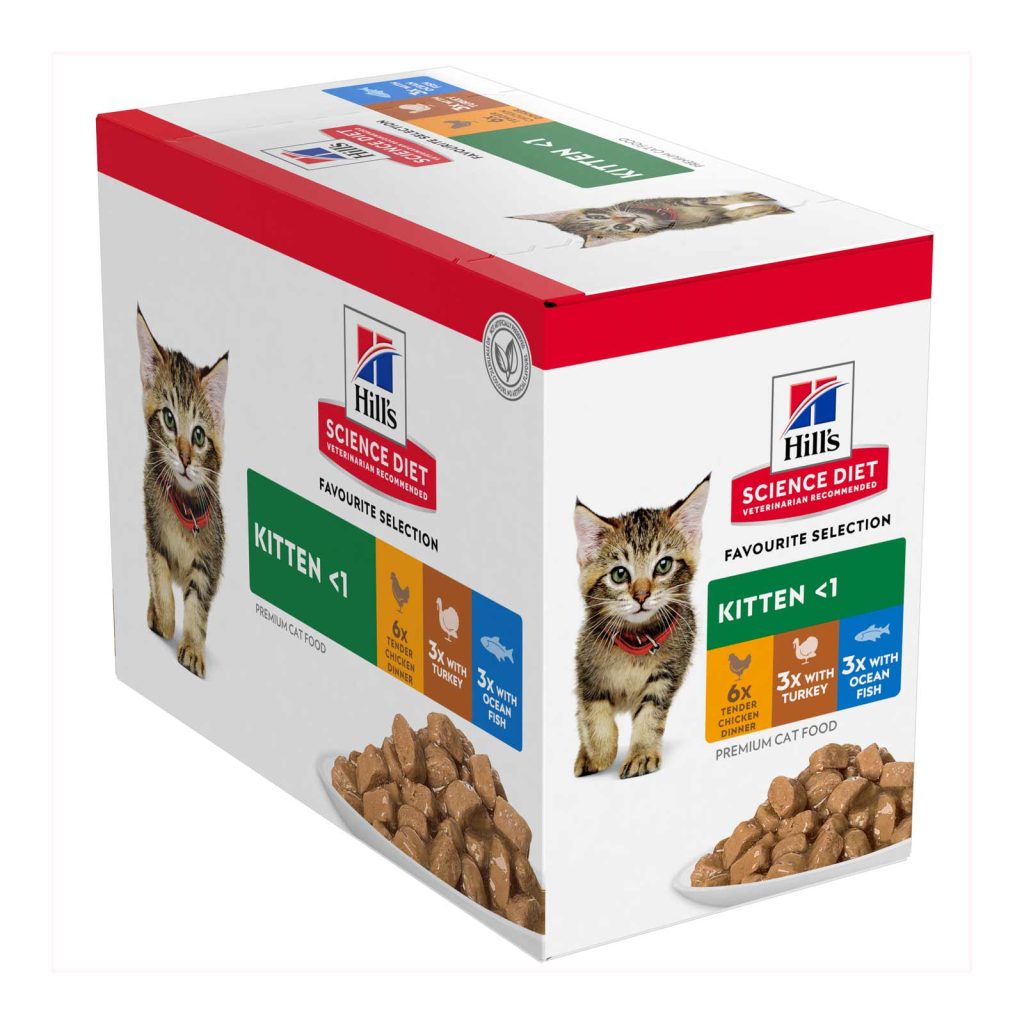
Feeding Kittens during adolescence
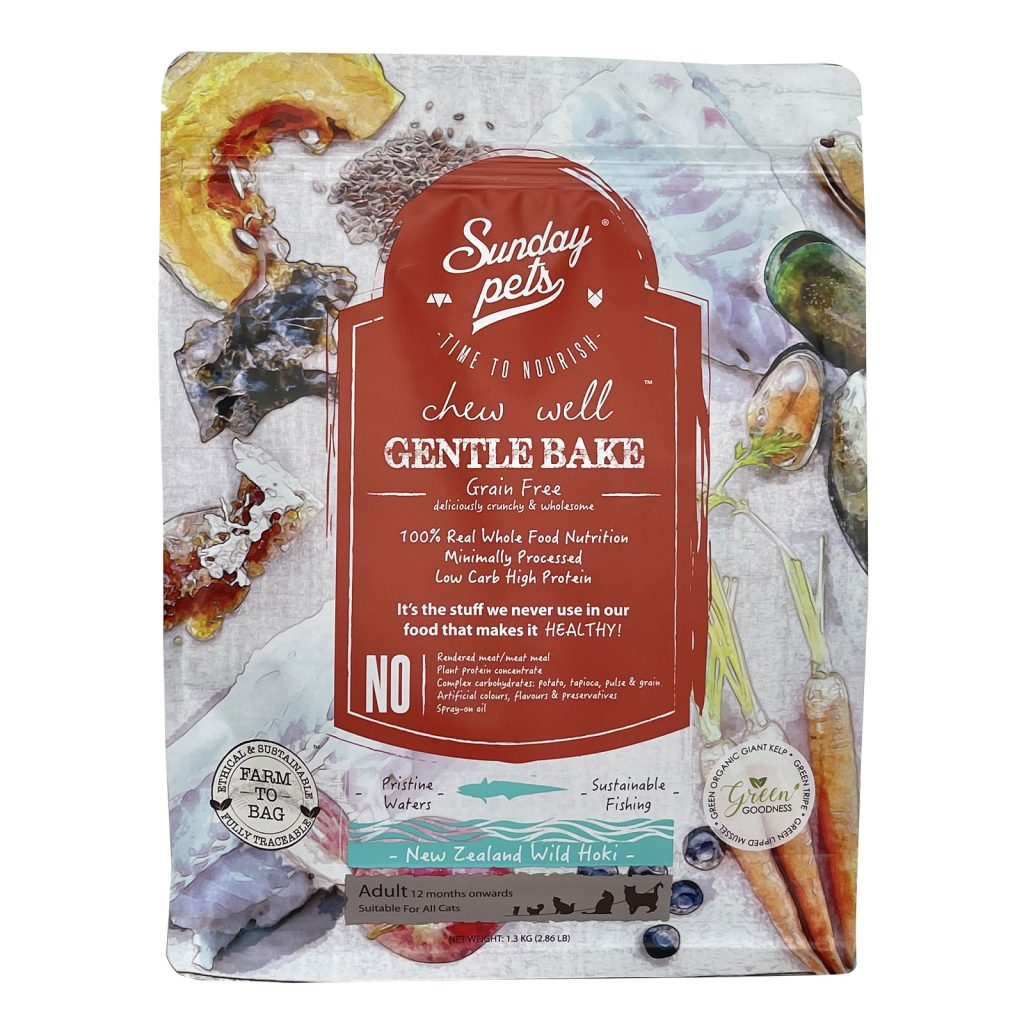
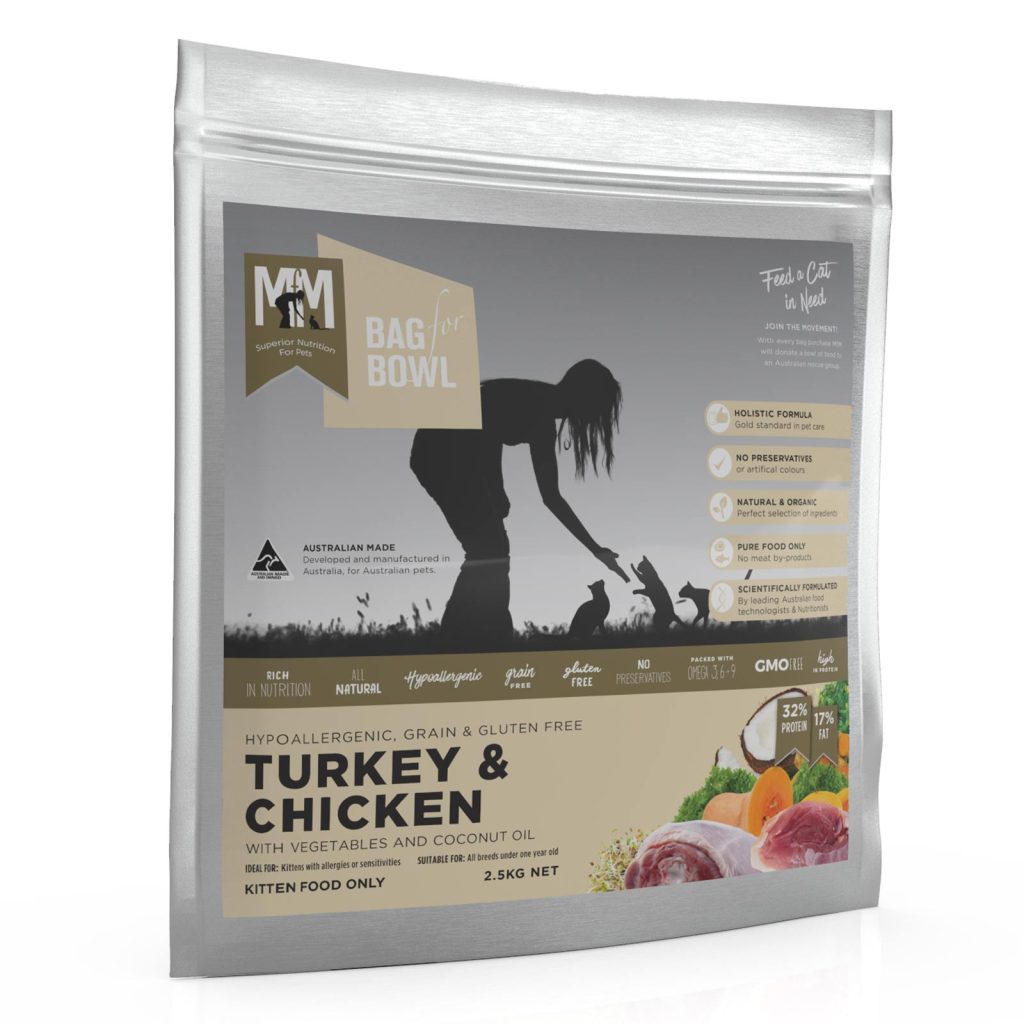
From 10 months onwards, your kittens enter their adolescent phase. They may have increased activity levels and specific nutritional requirements. Continue providing them with a balanced diet of high-quality kitten food, adjusted according to their weight and activity level. We recommend Meals for Meows MfM Kitten Grain Free Turkey And Chicken Dry Cat Food as a great choice for this life stage.
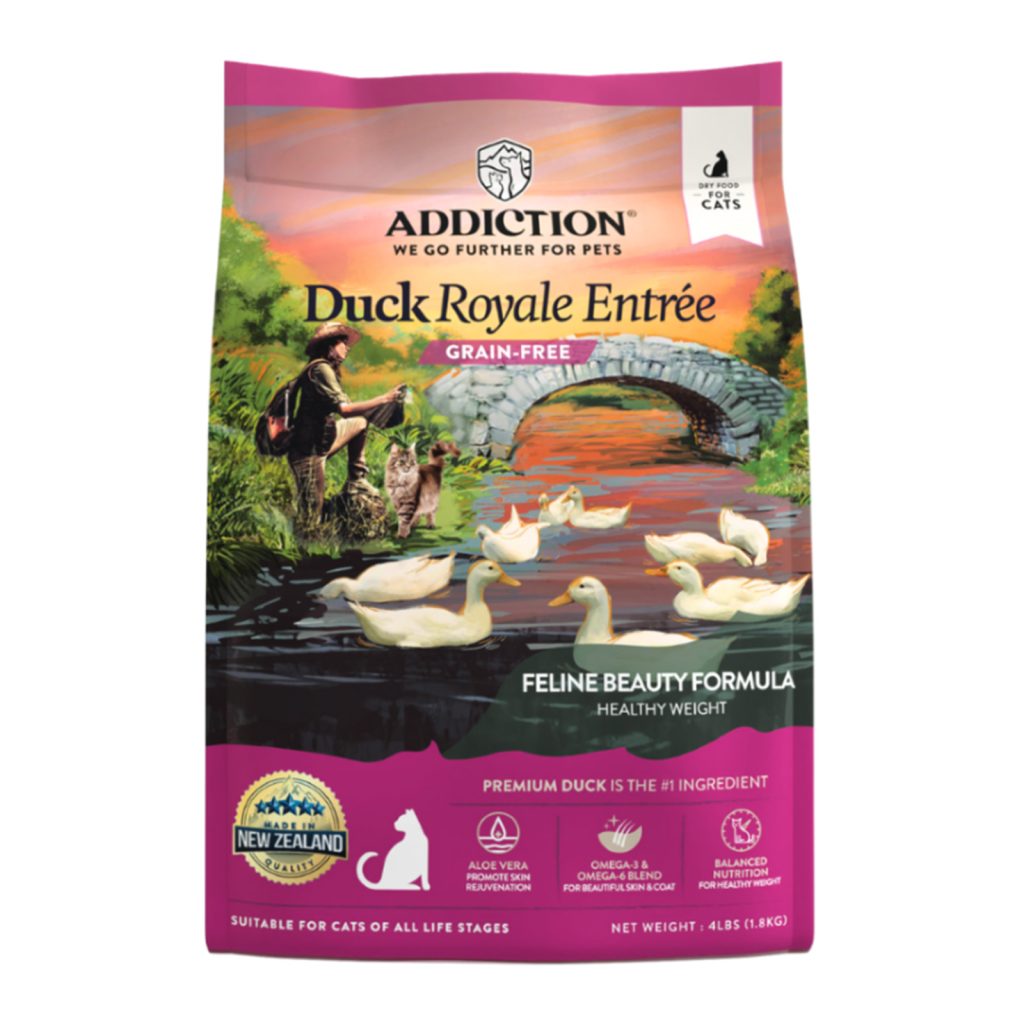
Kitten Feeding Chart
To make feeding your kitten easier, we have prepared a handy feeding chart that indicates the recommended amount of food per kilogram of body weight. This chart will help you ensure your kitten receives the appropriate portion sizes for their growth and development.
| Weight Range (kg) | Daily Food Intake (grams) |
| 0.5 - 1 | 25 - 40 |
| 1 - 2 | 40 - 70 |
| 2 - 3 | 70 - 100 |
| 3 - 4 | 100 - 130 |
| 4 - 5 | 130 - 160 |
Should I feed my Kitten Wet Food or Dry Food?
Feeding your kitten a balanced diet can include both wet and dry food options. Let's explore the benefits of each:
Wet Food for Kittens
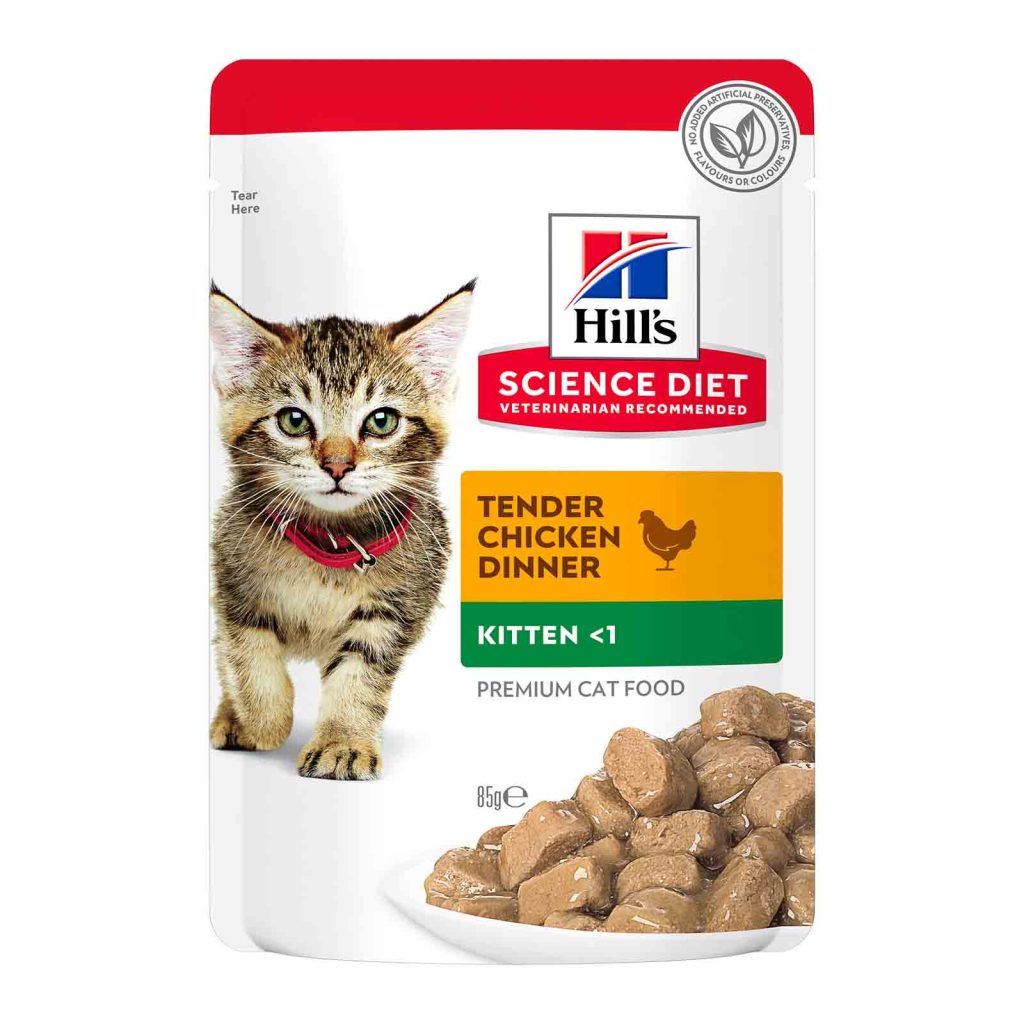
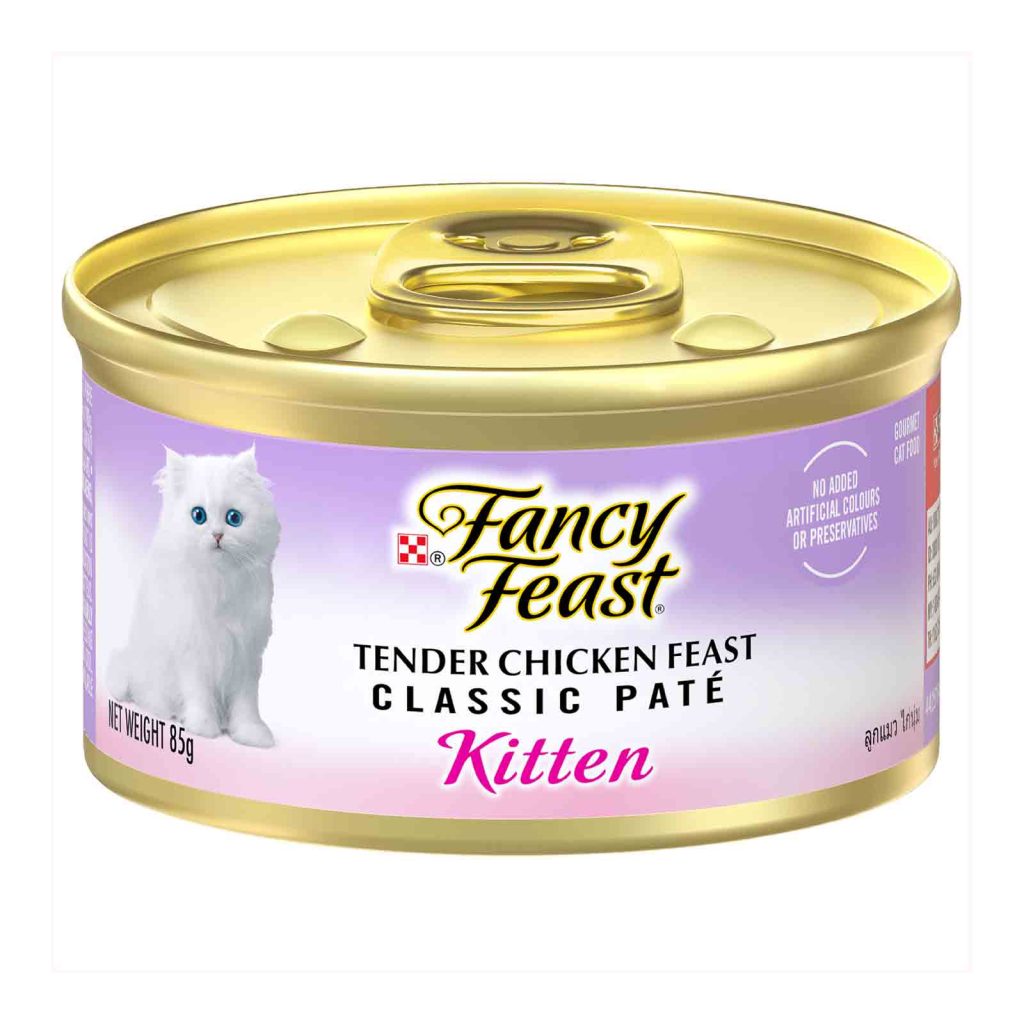
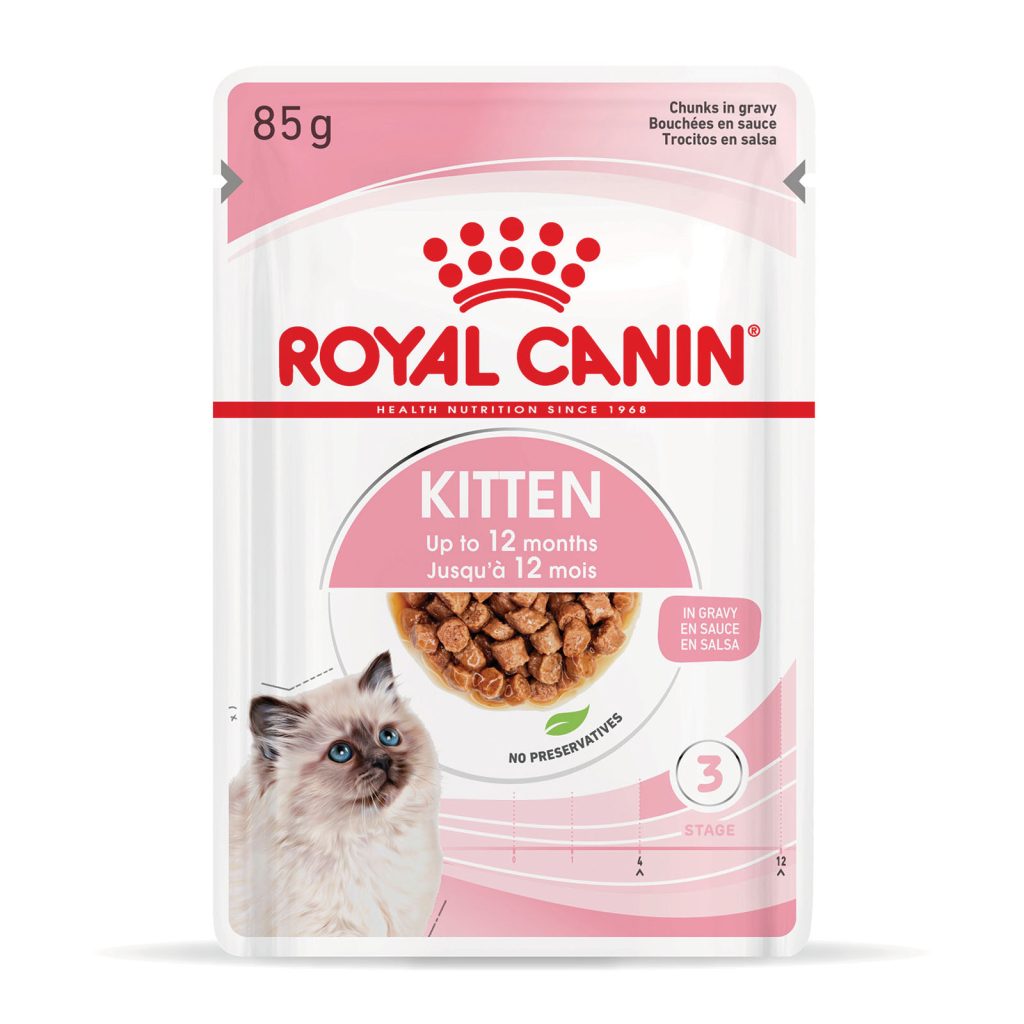
Wet food provides increased moisture content, which helps keep your kitten hydrated. It can be particularly beneficial for kittens who don't drink enough water independently. Wet food also offers a variety of flavours and textures, stimulating their appetite and ensuring they receive essential nutrients. Consider incorporating wet food into their diet, especially during the early stages when their teeth are still developing.
Dry Food for Kittens
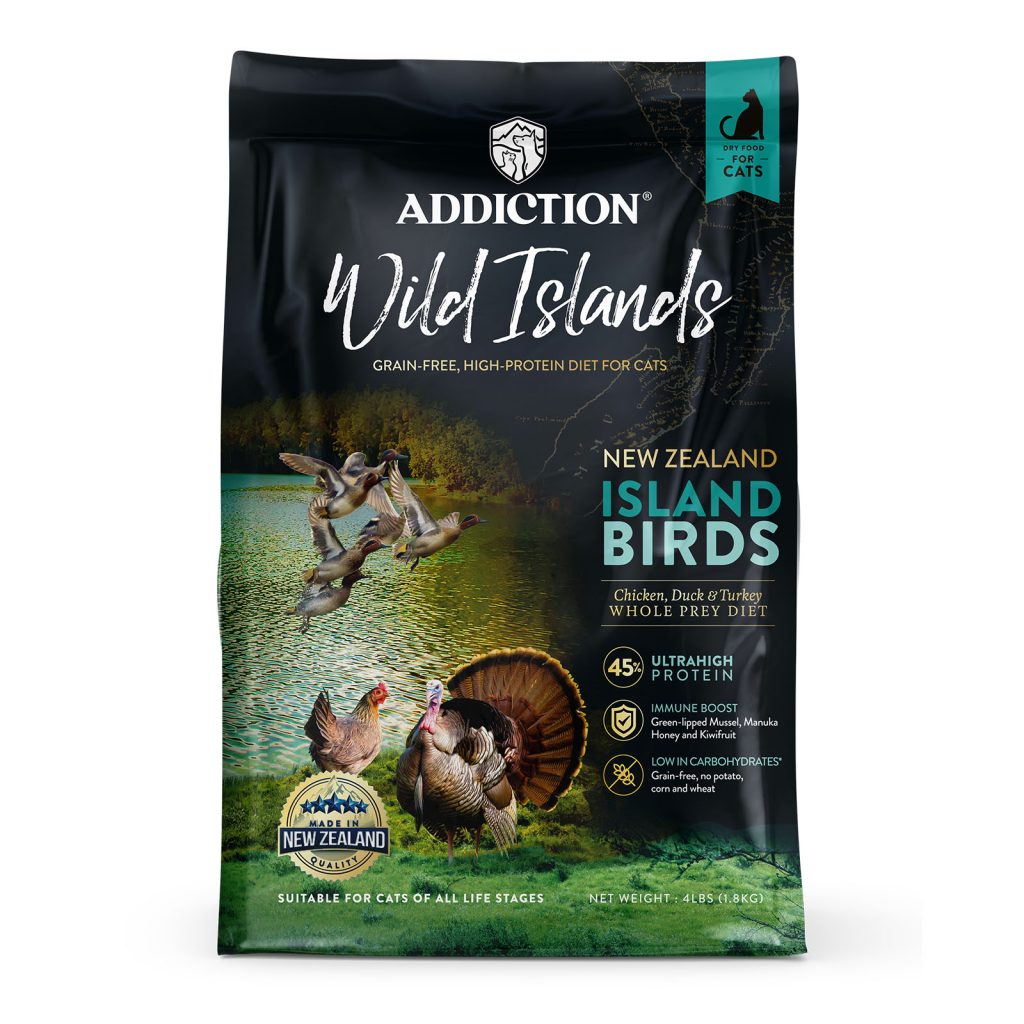
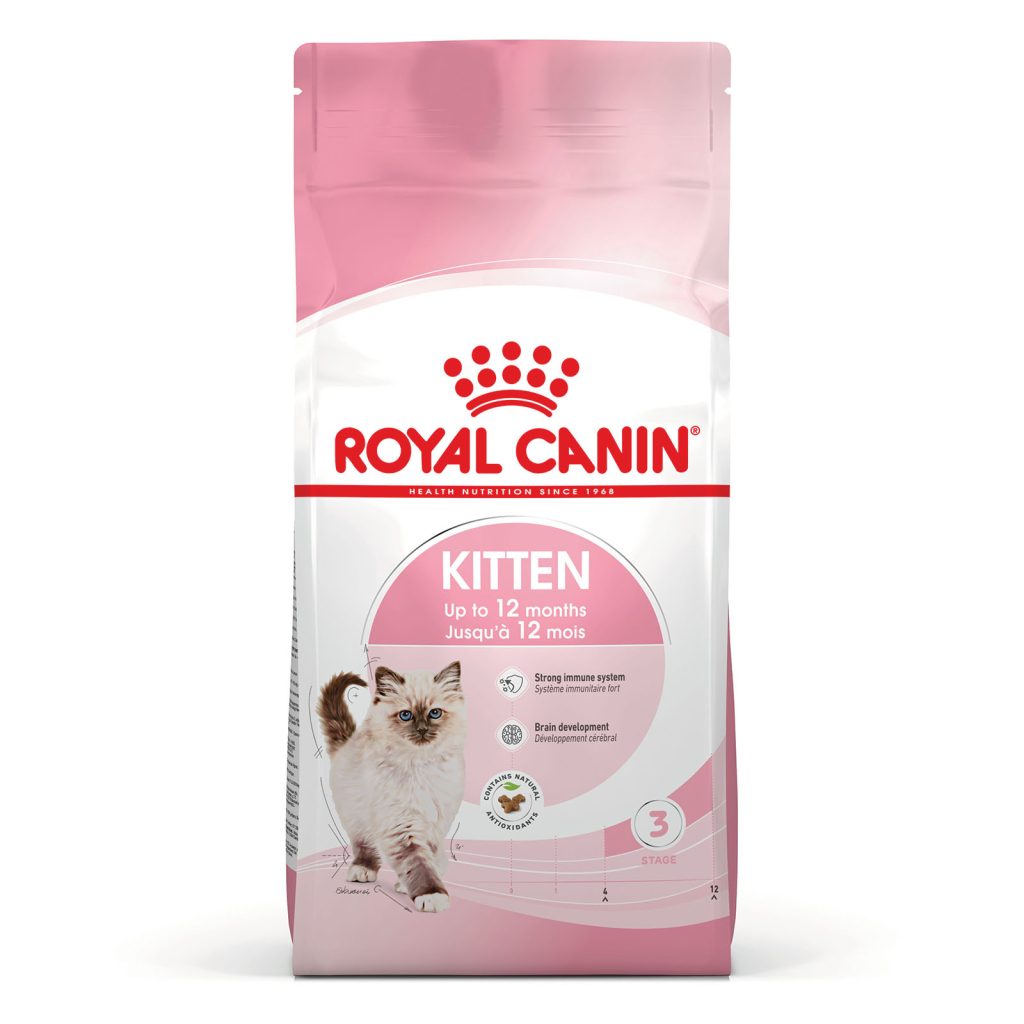
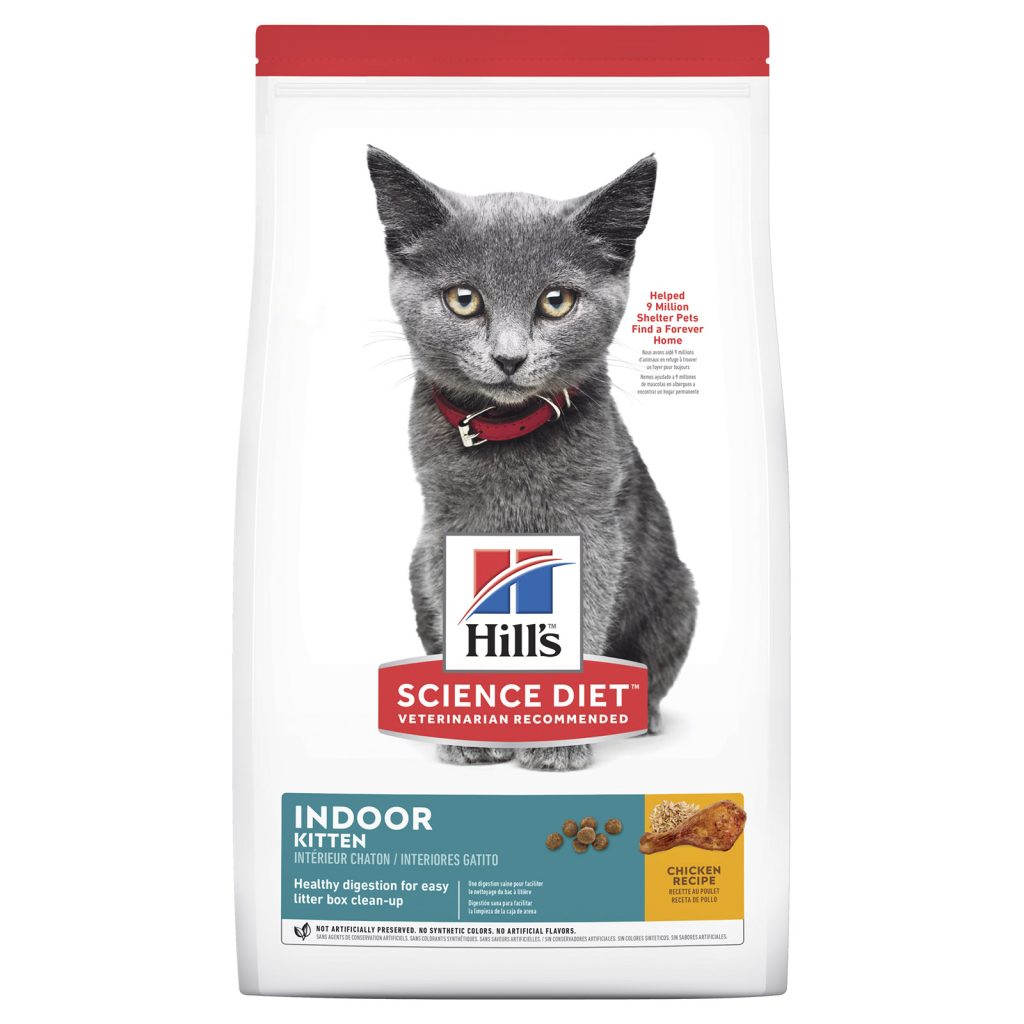
Dry food, also known as kibble, provides convenience and helps maintain dental health. The crunchy texture helps clean their teeth and gums, reducing the risk of plaque buildup. Dry food is also less perishable and can be left out for kittens to graze throughout the day. It offers a balanced diet with essential nutrients, contributing to your kitten's overall well-being.
How can I make feeding my Kitten more fun?
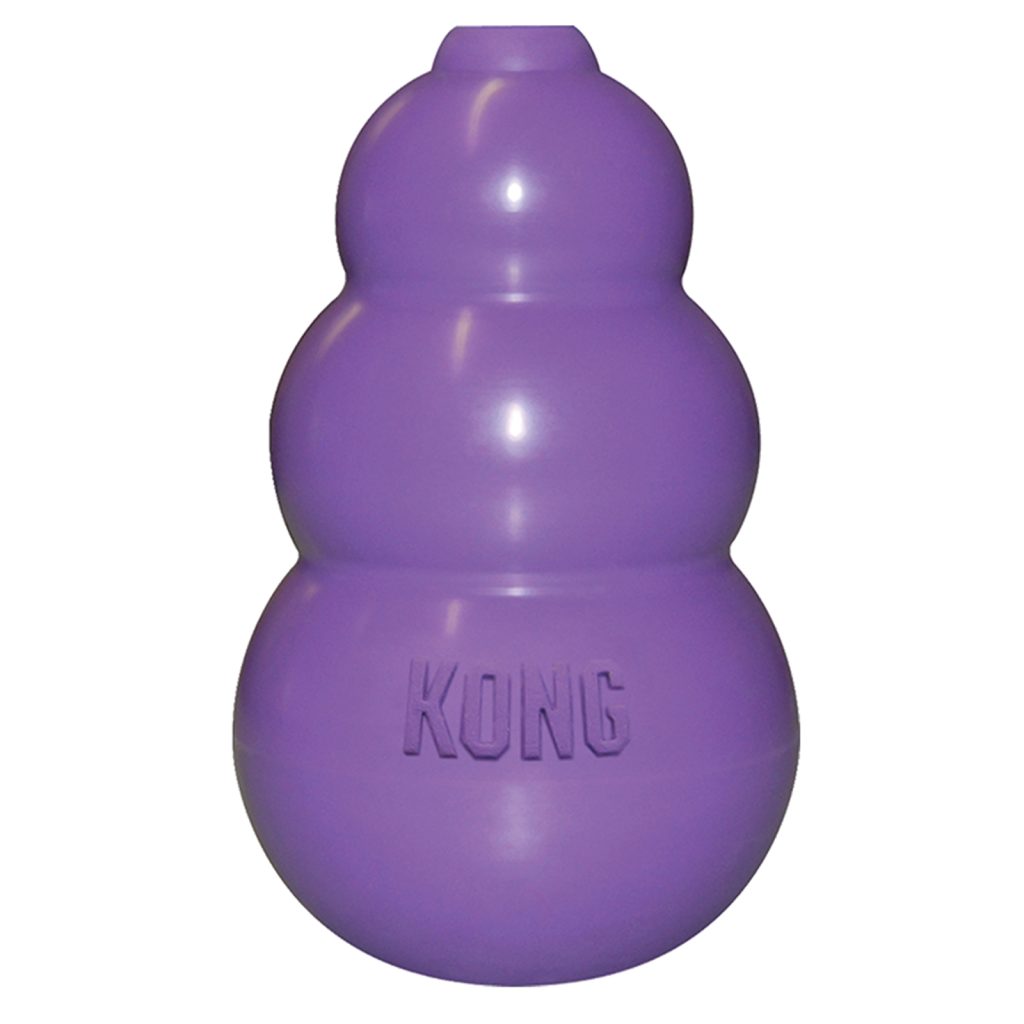
Kittens are naturally playful and curious creatures. You can make feeding time an exciting and mentally stimulating experience for them. Consider using interactive feeding toys that encourage them to work for their food, promoting cognitive development and preventing boredom. The KONG Kitty Kong Toy For Cats provides entertaining mental and physical stimulation at meal times.
When to stop feeding Kitten Food
Kittens eventually transition into adulthood, and it's important to know when to switch them to adult cat food. Typically, this occurs around 12 months of age. However, the exact timing may vary based on your cat's breed and individual development. Consult with your veterinarian to determine the most appropriate time to switch to adult cat food.
Explore more everything Kitten with Budget Pet Products
For all your kitten's needs, from nutrition to toys and accessories, Budget Pet Products has you covered. Visit our Kitten section to discover a wide range of high-quality products designed to support your kitten's growth and well-being.
Remember, providing a balanced diet tailored to your kitten's specific needs is key to their health and happiness. Enjoy the journey of nurturing your adorable bundle of fur and witness them grow into a happy and healthy cat companion!