Top 10 Bad Manners For Puppies And How To Correct Them
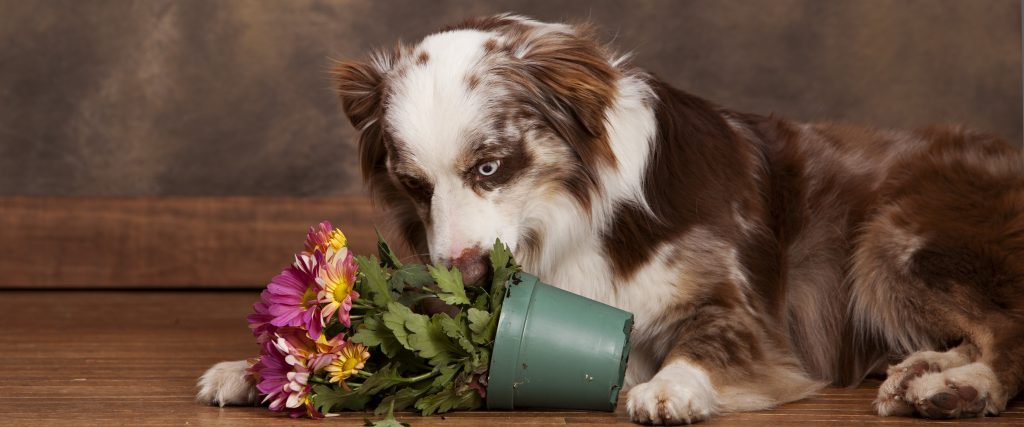
The joy of bringing a new puppy into your home is often followed by a few challenges as your furry mate starts to explore their surroundings, testing the boundaries with their behaviour.
This blog uncovers ten of the most common 'bad manners' in puppies and provides handy tips on how to correct them. Guiding your puppy towards good behaviour is not only beneficial for the harmony of your household but also contributes to their overall well-being.
1. Nipping and Biting
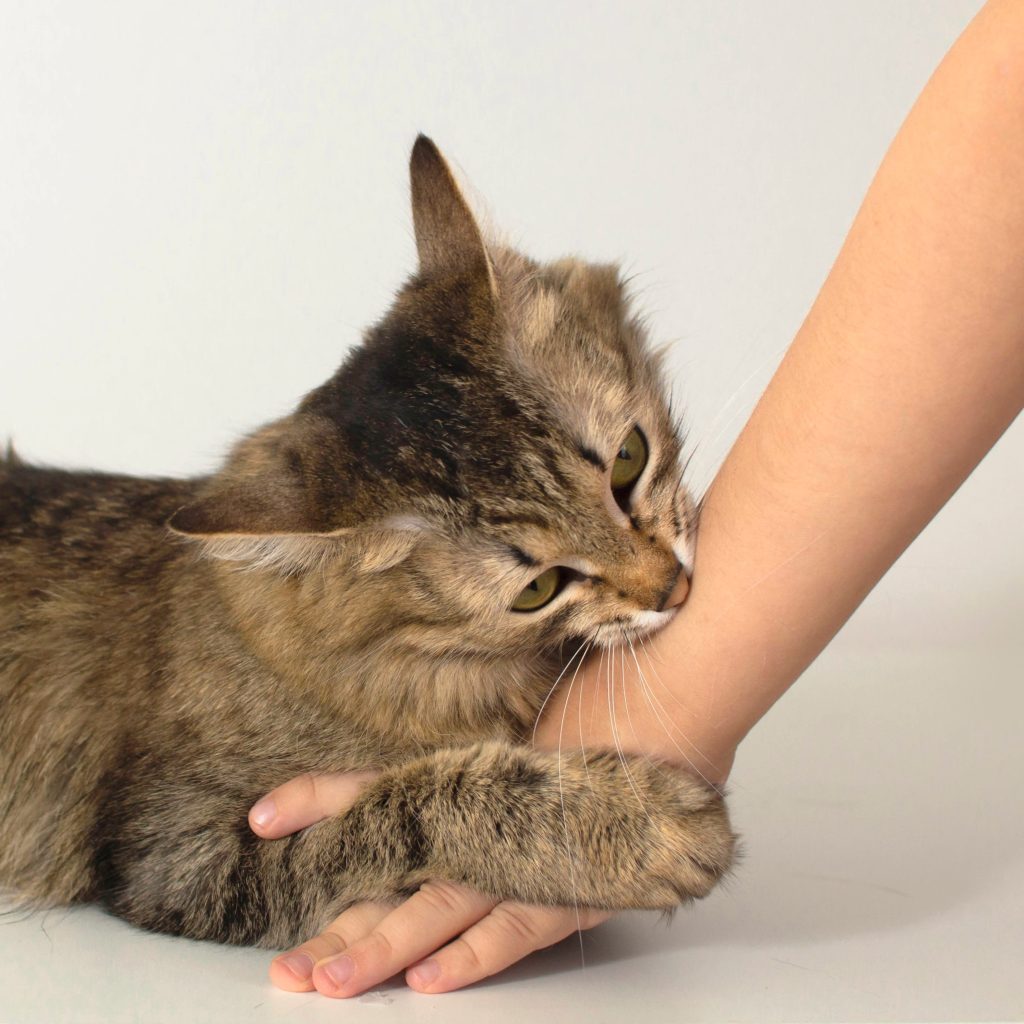
Playful nipping and biting might seem cute when your puppy is small, but it can become problematic as they grow. To discourage this behaviour, let out a yelp and stop playing whenever your pup gets too nippy. This mimics the reaction they'd get from their littermates, helping them understand they've crossed a line.
2. Excessive Barking
While it's natural for dogs to bark, excessive noise can become a nuisance. Training your puppy to understand commands like "Quiet" can be useful. Whenever they bark excessively, calmly say "Quiet," then reward them with a treat or praise when they stop.
3. Chewing
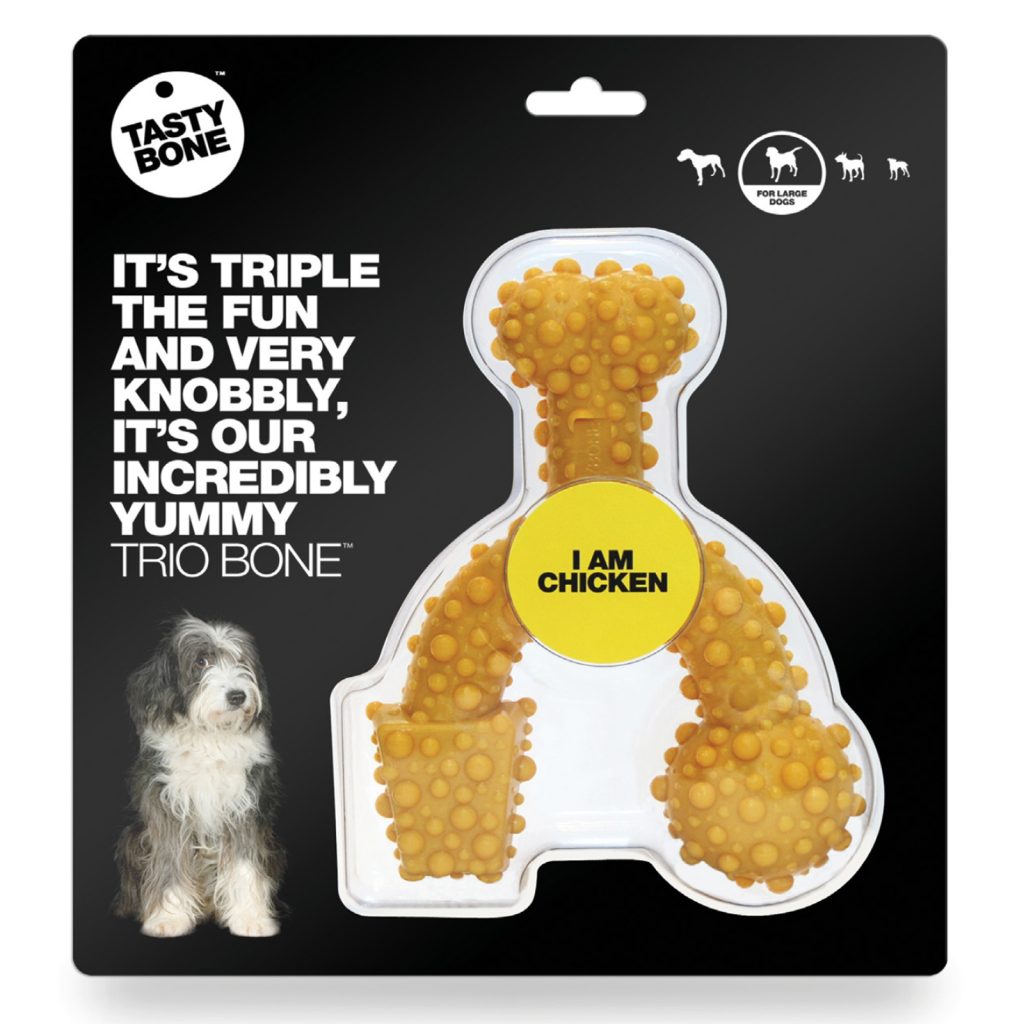
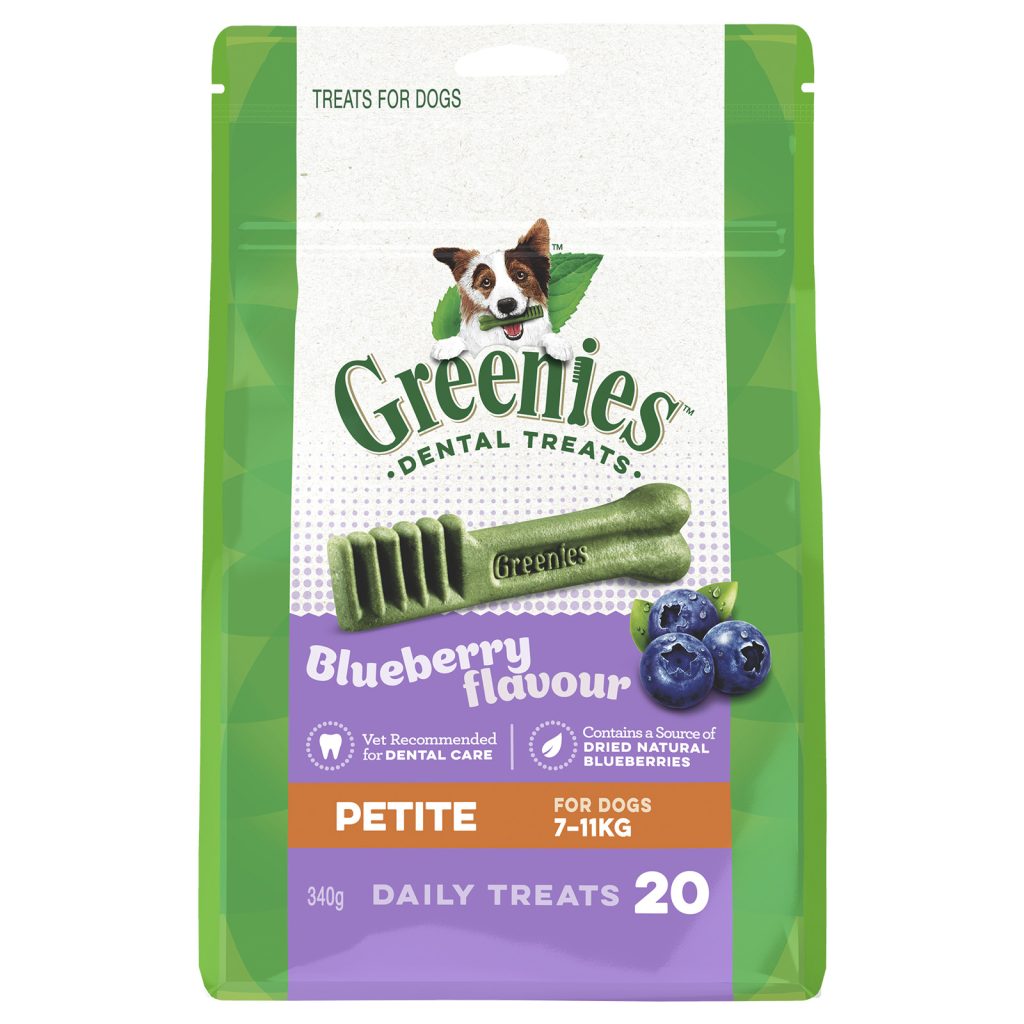
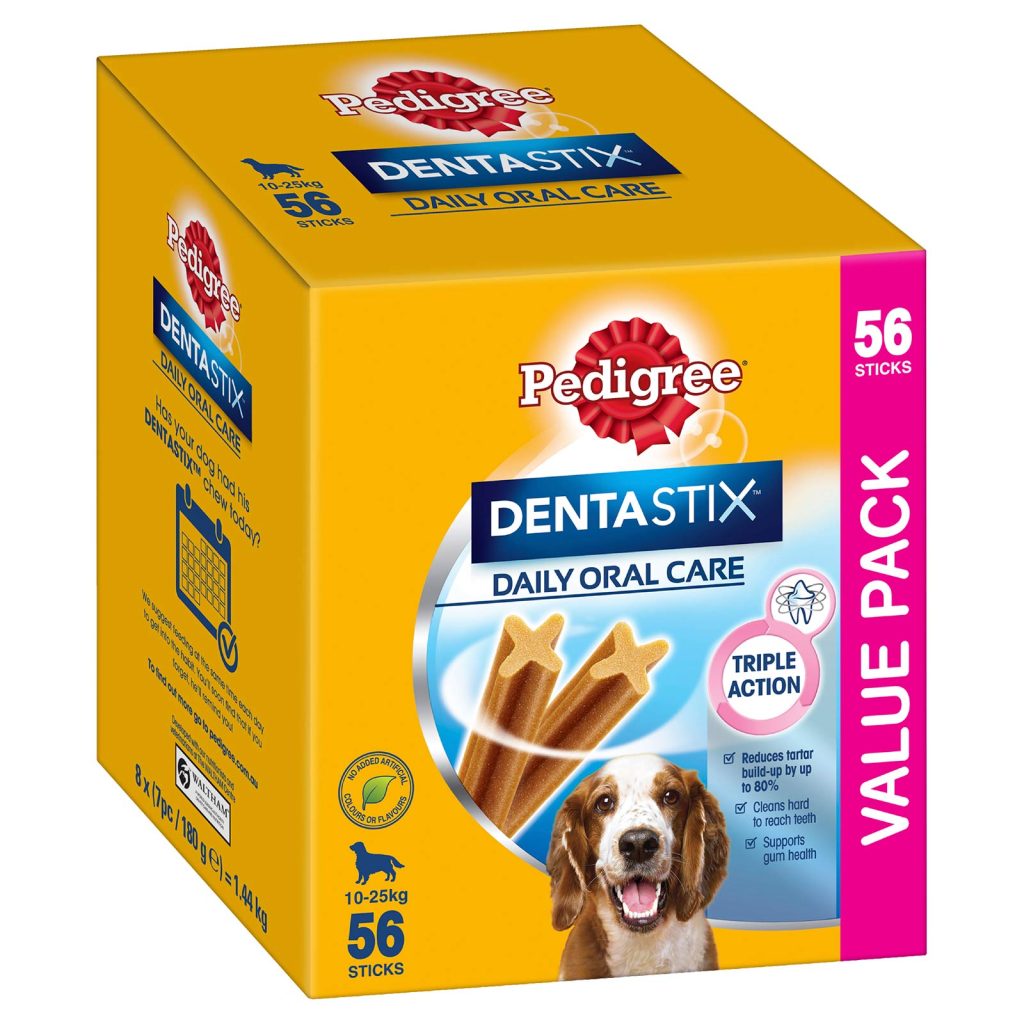
Puppies love to chew as a way to explore their world and soothe teething pain. However, it becomes an issue when they chew on inappropriate items. Provide chew toys and ensure they're more appealing than your furniture. If your pup starts chewing something they shouldn’t, distract them with their chew toy.
Our Recommendations
4. Jumping Up
An overly enthusiastic greeting can result in your puppy jumping up. Although it’s their way of saying hello, it’s not always appreciated. To correct this, ignore your puppy when they jump up and reward them with attention when all four paws are on the ground.
5. Toilet Training Mishaps
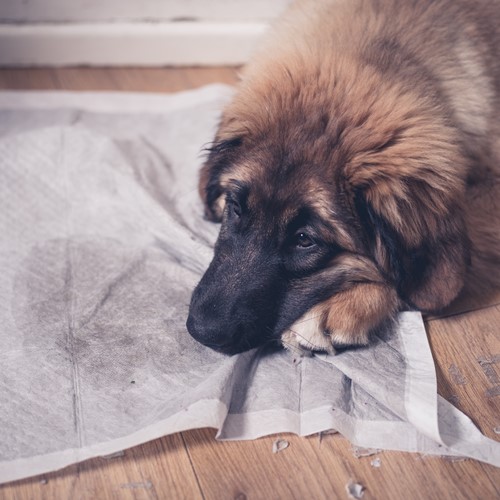
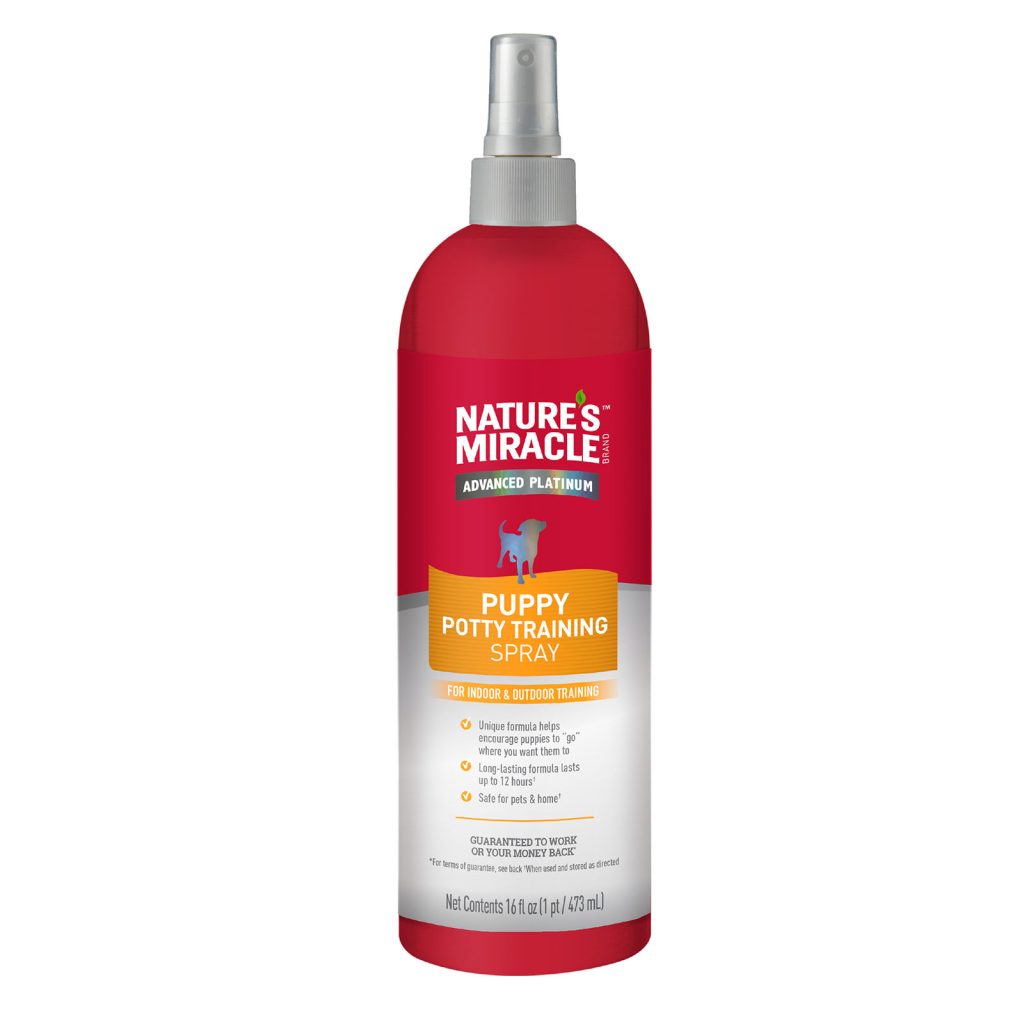
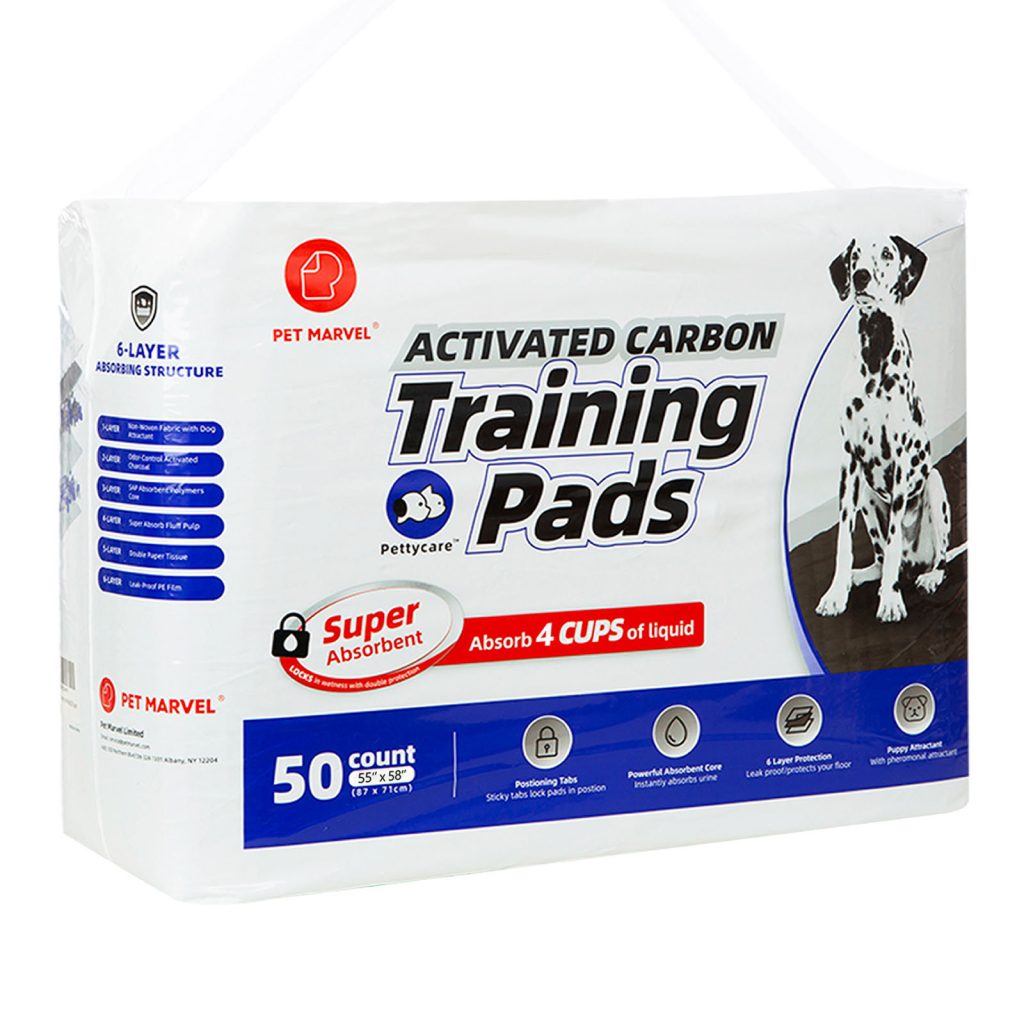
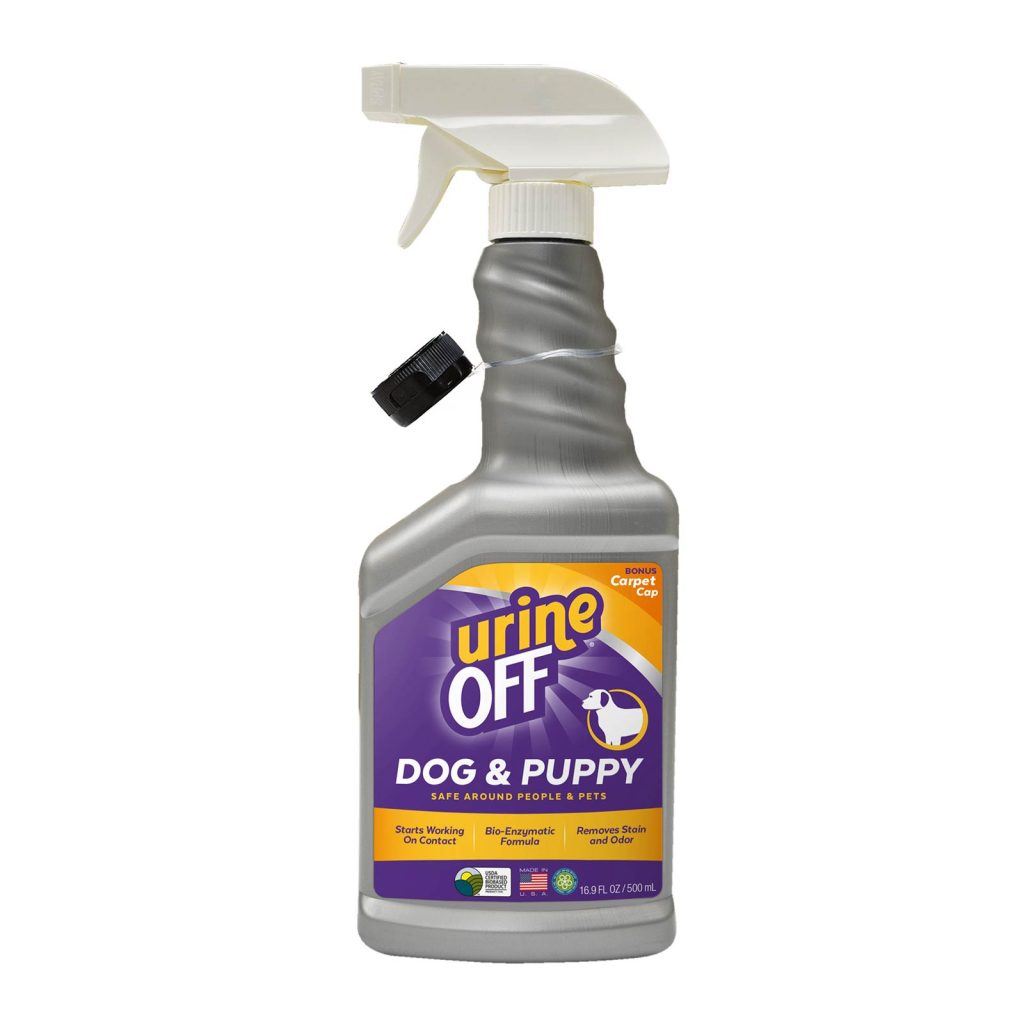
One of the biggest challenges for new puppy owners is toilet training. Patience and consistency are key. Take your puppy out frequently, especially after meals, and reward them when they do their business outside. If an accident happens inside, clean it up without fuss and carry on.
Our Recommendations
6. Ignoring Recall
Training a puppy to come when called is essential for their safety. Start in a secure, distraction-free environment. Call their name, and when they come, reward them. Gradually add distractions as they become more proficient.
7. Leash Pulling
A walk can quickly become a drag when your puppy starts pulling on their leash. To discourage this, stand still or change direction when they pull. Once they relax the leash tension, continue your walk. This teaches them that pulling gets them nowhere.
8. Food Aggression
Food aggression can become a serious issue. To help prevent this, teach your puppy that good things happen when people approach their food. You can do this by adding tasty treats to their bowl while they’re eating.
9. Not Responding to Name
A puppy not responding to their name can be a bit of a worry. To rectify this, use their name often and reward them for looking at you when called. Soon, they will learn to associate their name with positive things.
10. Separation Anxiety
Puppies can become anxious when left alone, leading to destructive behaviour. To reduce separation anxiety, gradually increase the time you're away and provide activities to keep them occupied. Never make a big deal of your departures or arrivals.
Good manners don't come naturally to puppies. They need guidance and patience from their humans to learn acceptable behaviour. With consistent training and positive reinforcement, your puppy's 'bad manners' can be reshaped into behaviour that makes your relationship even more rewarding. Always remember, every puppy is unique and what works for one might not work for another. It's all about understanding and responding to their individual needs
Keep your dog happy and healthy with Budget Pet Products
At Budget Pet Products, we understand the importance of providing your dog with the correct food and equipment. Explore our wide range of products that you can use to keep your dog healthy, safe and satisfied.