The Best Food (and Treats) for Dogs with Allergies
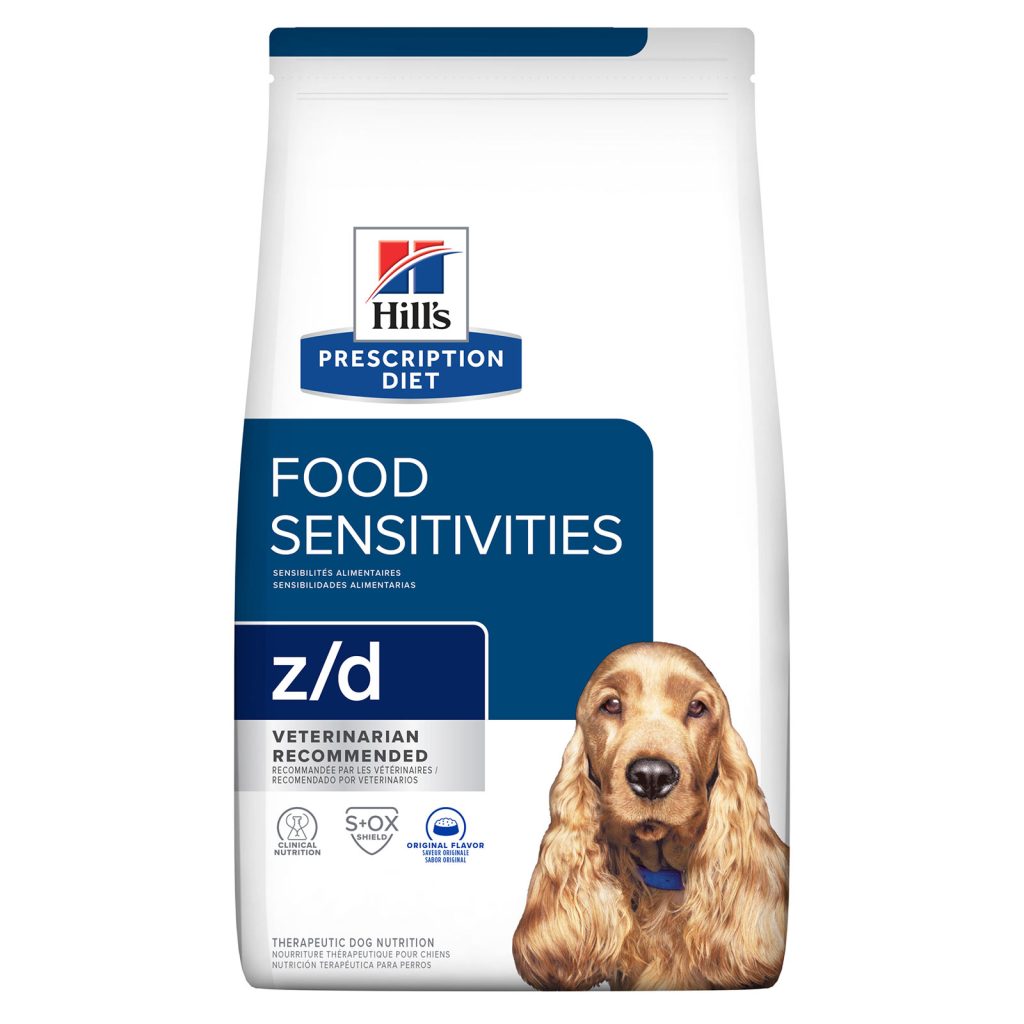
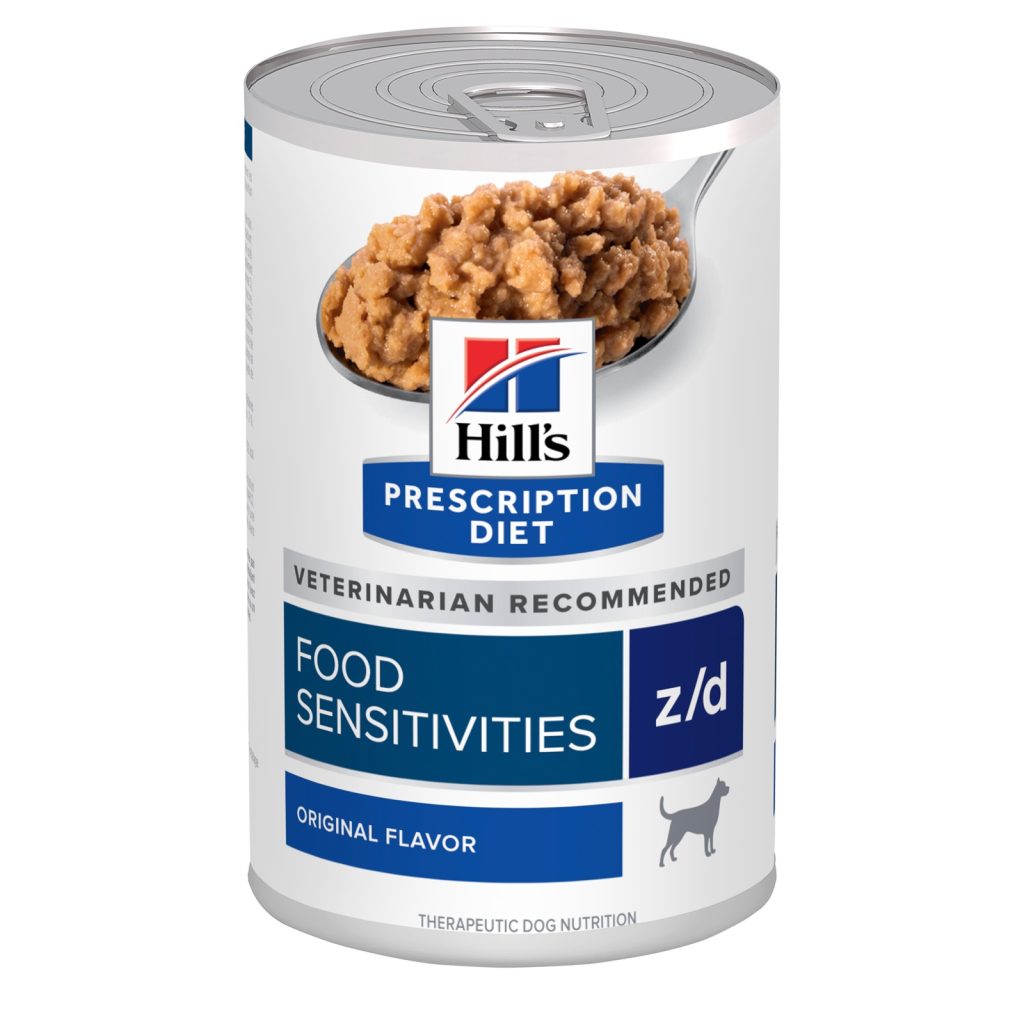
Hypoallergenic dog foods are meticulously crafted to address the needs of dogs prone to allergies or with sensitive stomachs. These specialized formulations are particularly beneficial for dogs experiencing food sensitivities, a distinction crucial for understanding the impact of inappropriate dietary choices on their health. Some hypoallergenic dog foods feature hydrolysed proteins, a highly digestible protein source. However, it's essential to scrutinize the origin of these proteins, as opting for plant-based hydrolysed proteins like soy over meat-based alternatives may not offer the desired benefits and could potentially mislead consumers.
Switching to a different brand or opting for hypoallergenic dog food can often yield noticeable improvements in a dog's condition within a mere two weeks. Several symptoms serve as indicators that a dog could benefit from hypoallergenic dog food, including dermatological issues like itching, skin rashes, ear infections, and gastrointestinal problems such as diarrhea and vomiting. Other symptoms like sneezing and weakened immunity also warrant consideration.




Identifying Allergens
The first step in finding the perfect food for your dog with allergies is identifying the specific ingredients causing their reactions. This often requires a process of elimination, where you gradually remove potential allergens from your dog's diet and observe their response. Keep a detailed journal of your dog's diet and any symptoms they experience to help pinpoint the culprit.
Choosing the Right Food
Once you've identified the allergens, it's time to select a suitable food for your dog. Look for hypoallergenic dog food formulas that are specifically formulated to minimize the risk of triggering allergic reactions. These formulas often feature novel protein sources like venison, duck, or salmon, along with easily digestible carbohydrates such as sweet potatoes or peas.
Avoid foods that contain common allergens like beef, chicken, wheat, corn, and soy. Opt for limited ingredient diets or grain-free options to reduce the likelihood of triggering allergic reactions.
The Importance of Tailored Nutrition
When it comes to managing allergies in dogs, one of the most effective strategies is through tailored nutrition. Every dog is unique, and what works for one may not work for another. Tailoring your dog's diet involves identifying and eliminating allergens while ensuring they receive balanced and nutritious meals.
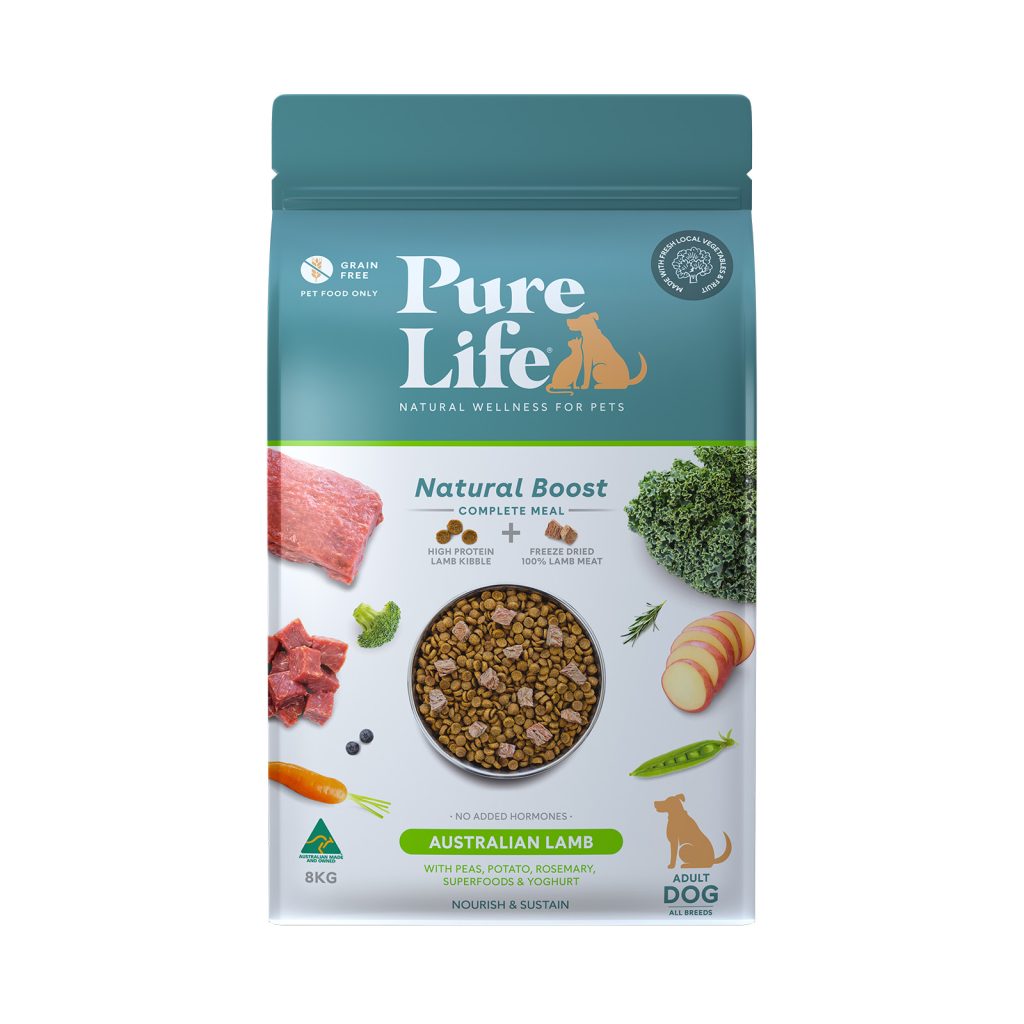
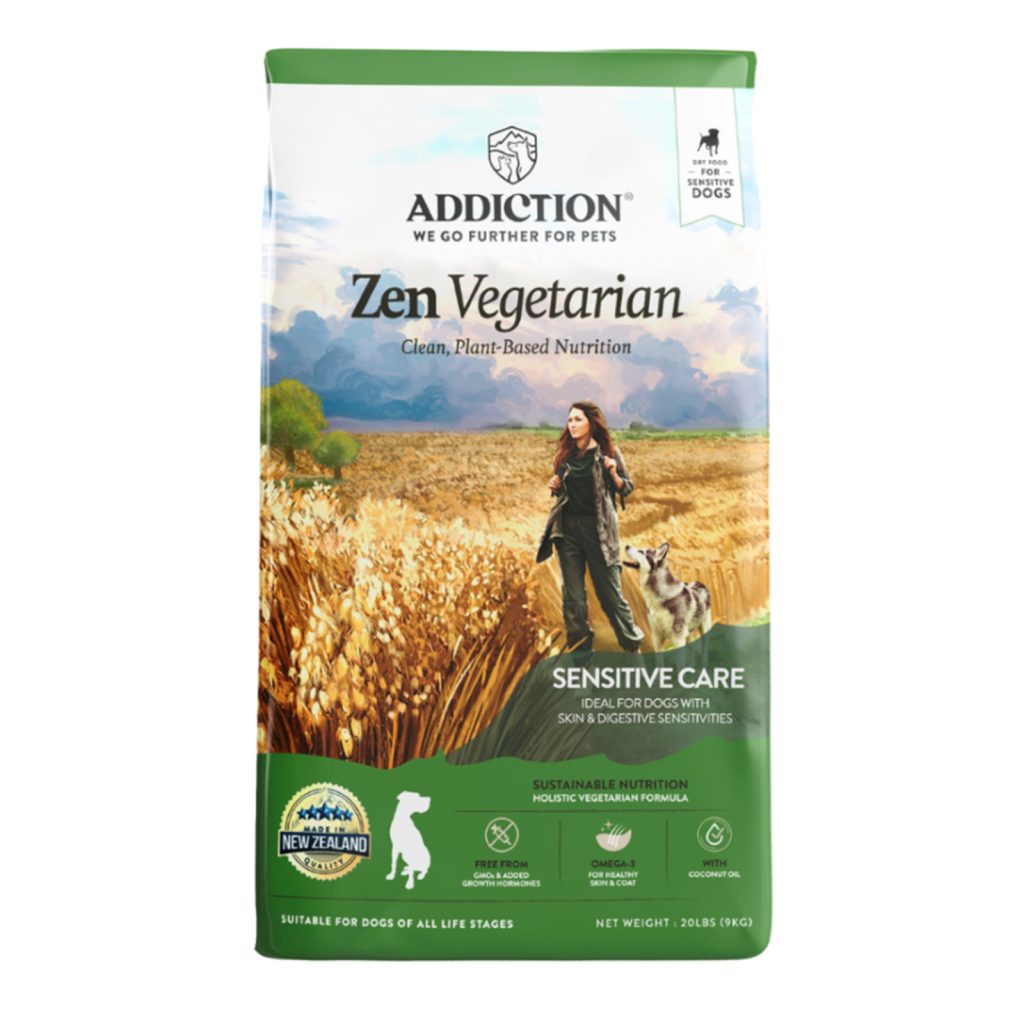
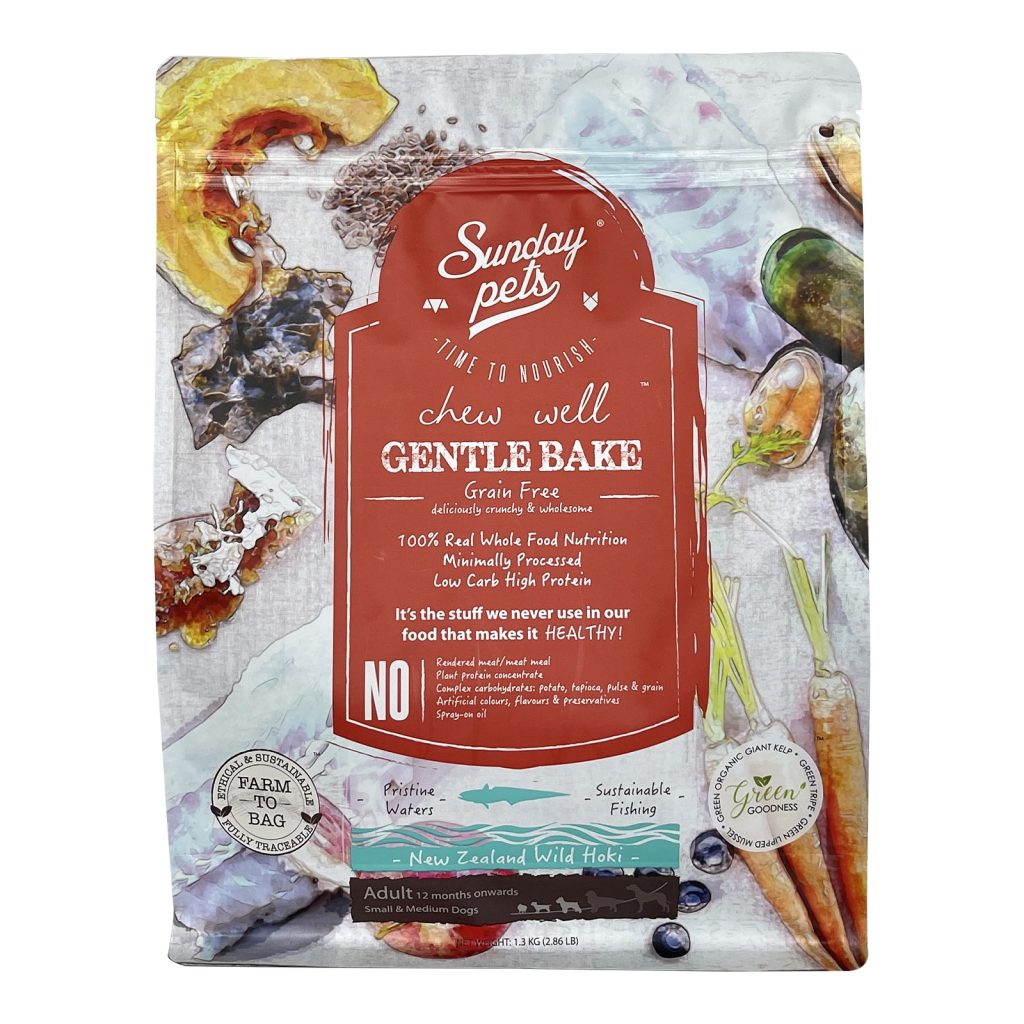
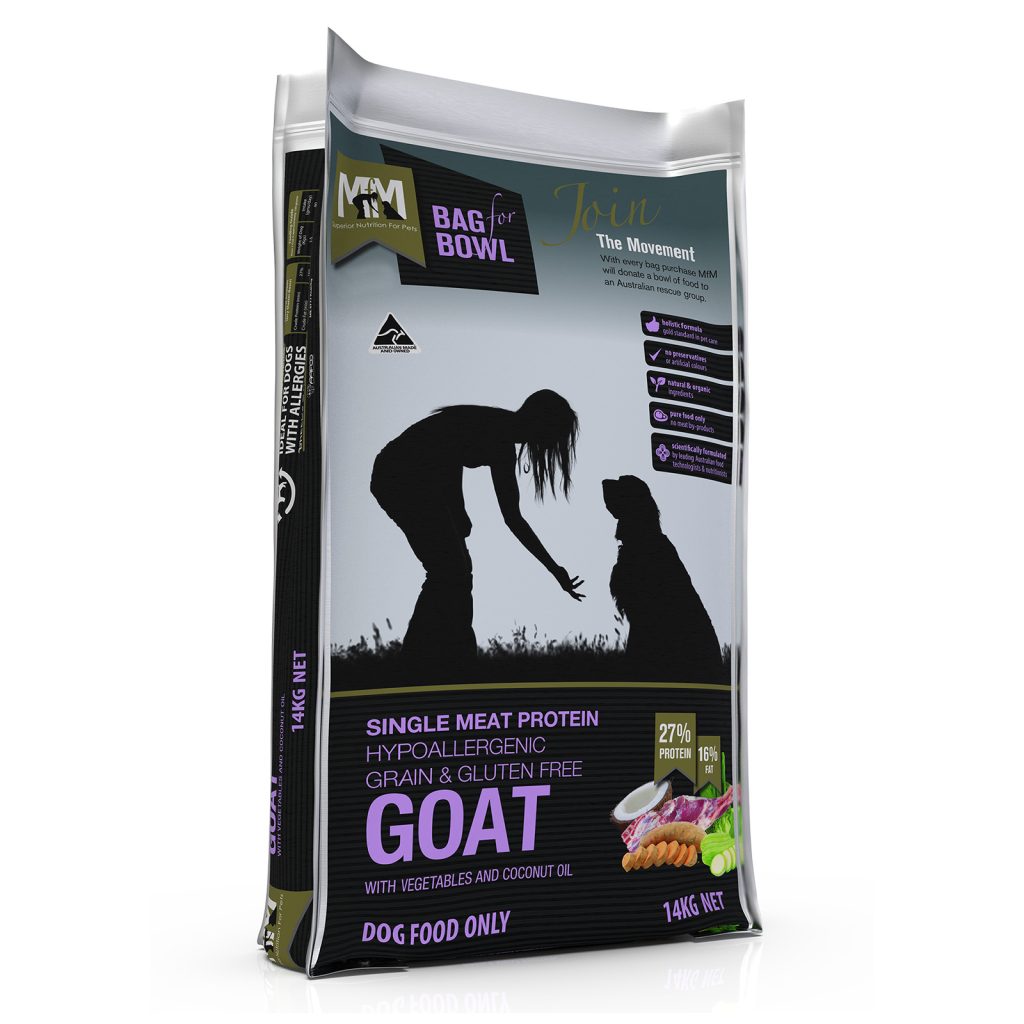
For Dogs with Allergies to Chicken and Beef
Endorsed Veterinary Food
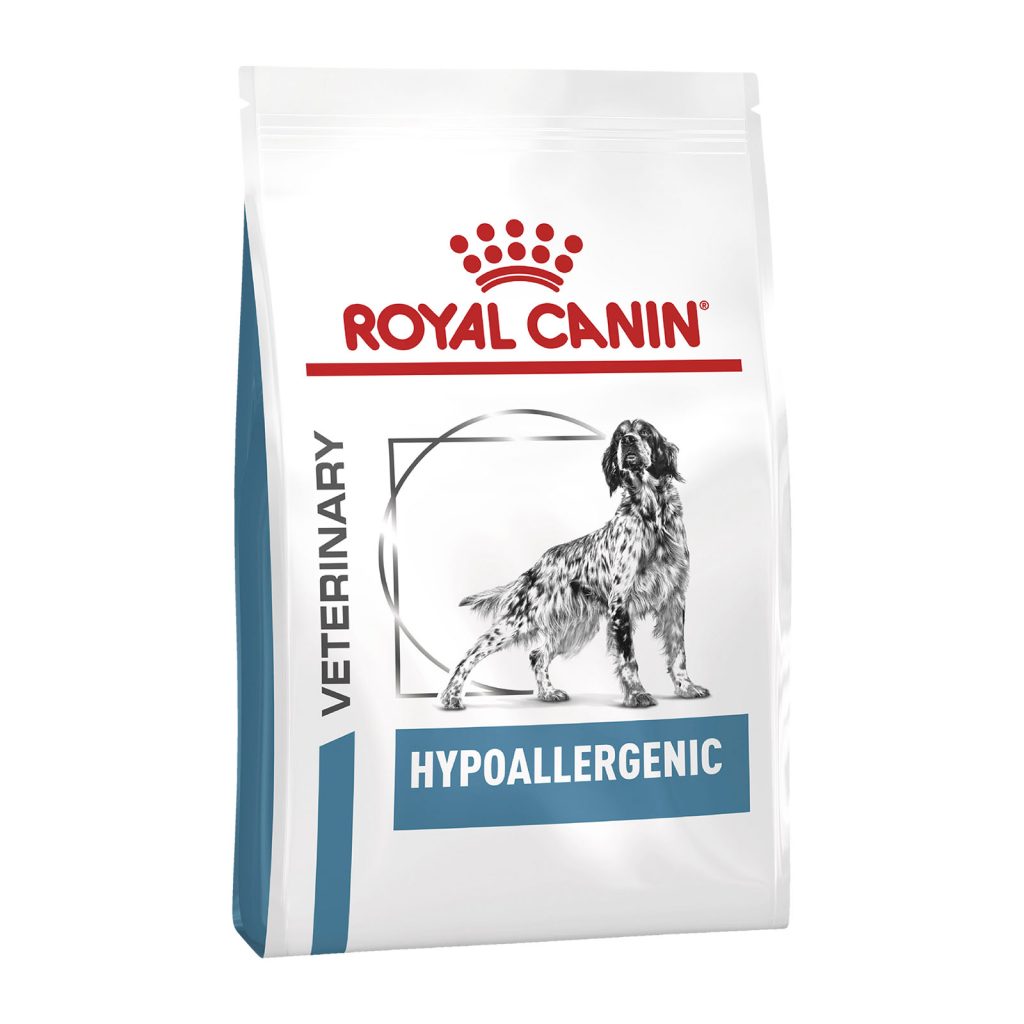
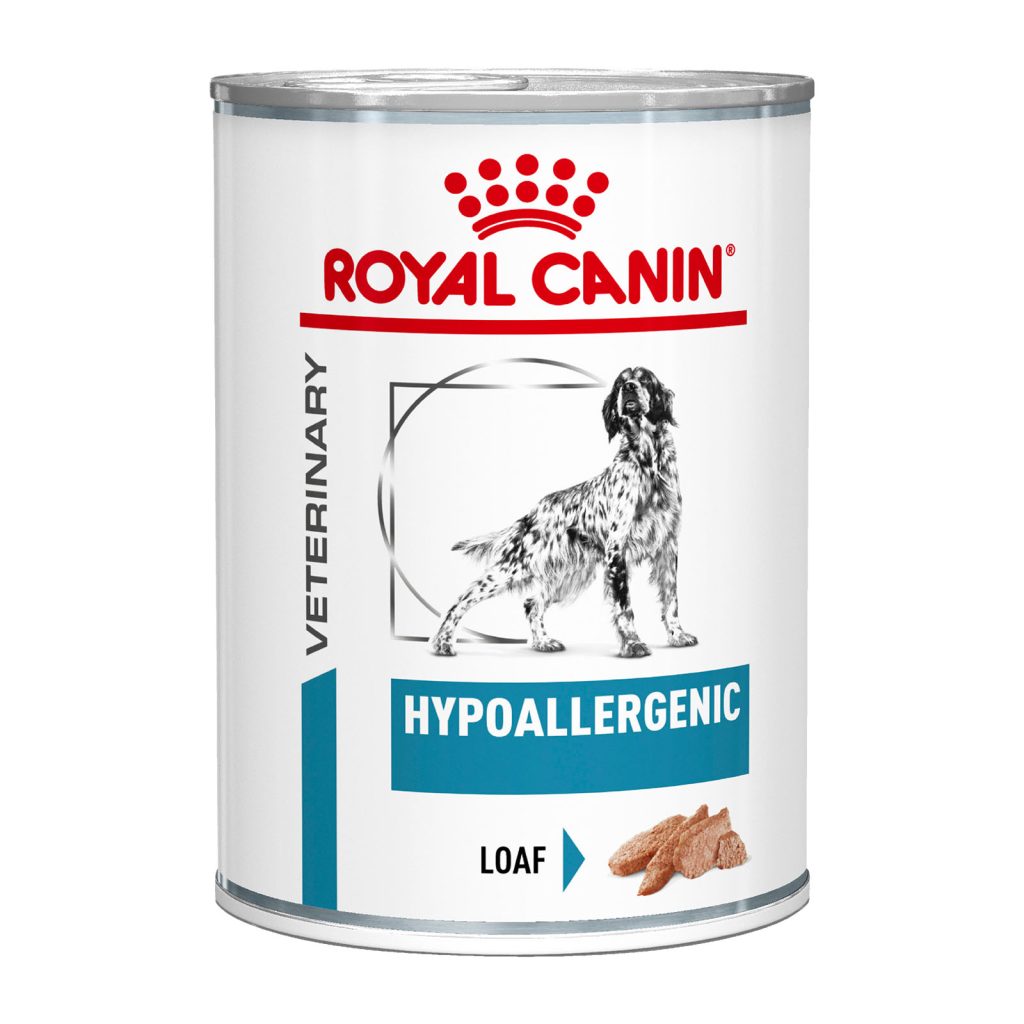
Finding Treats
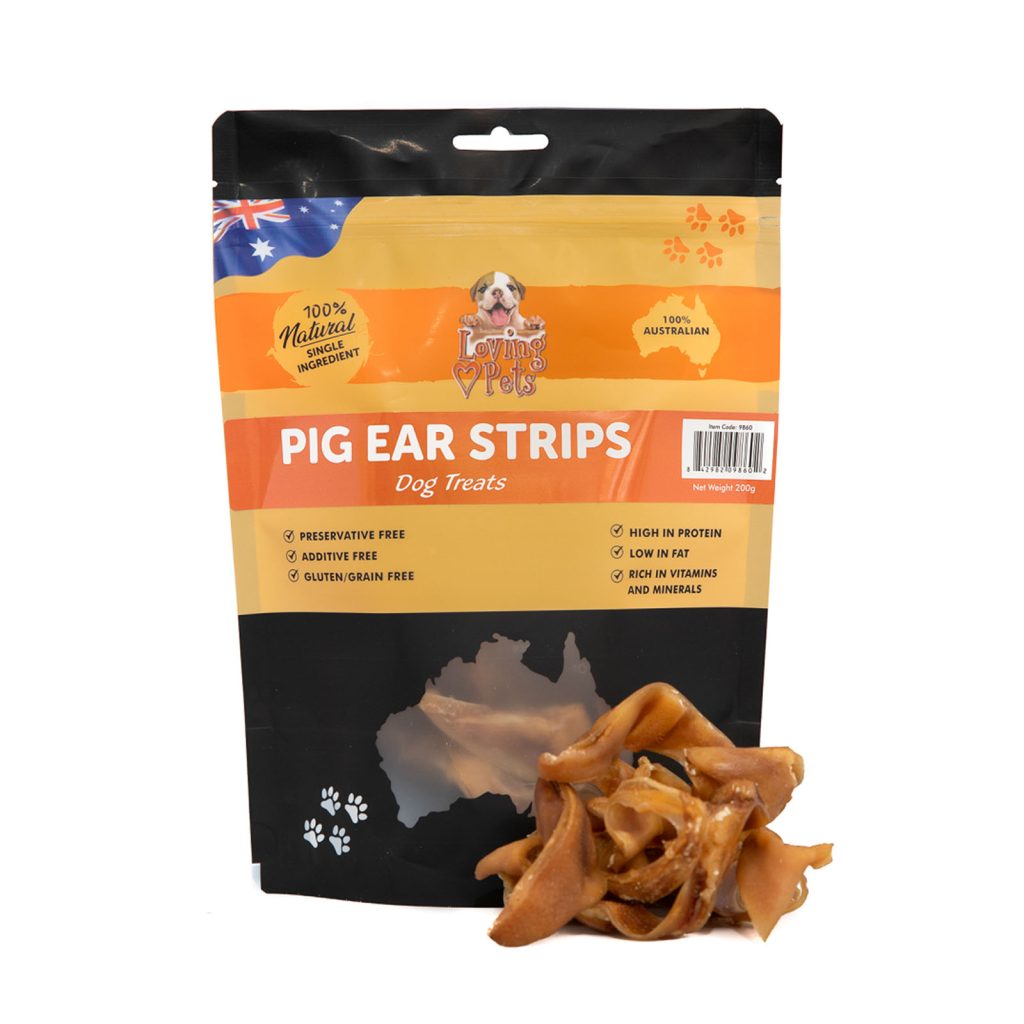
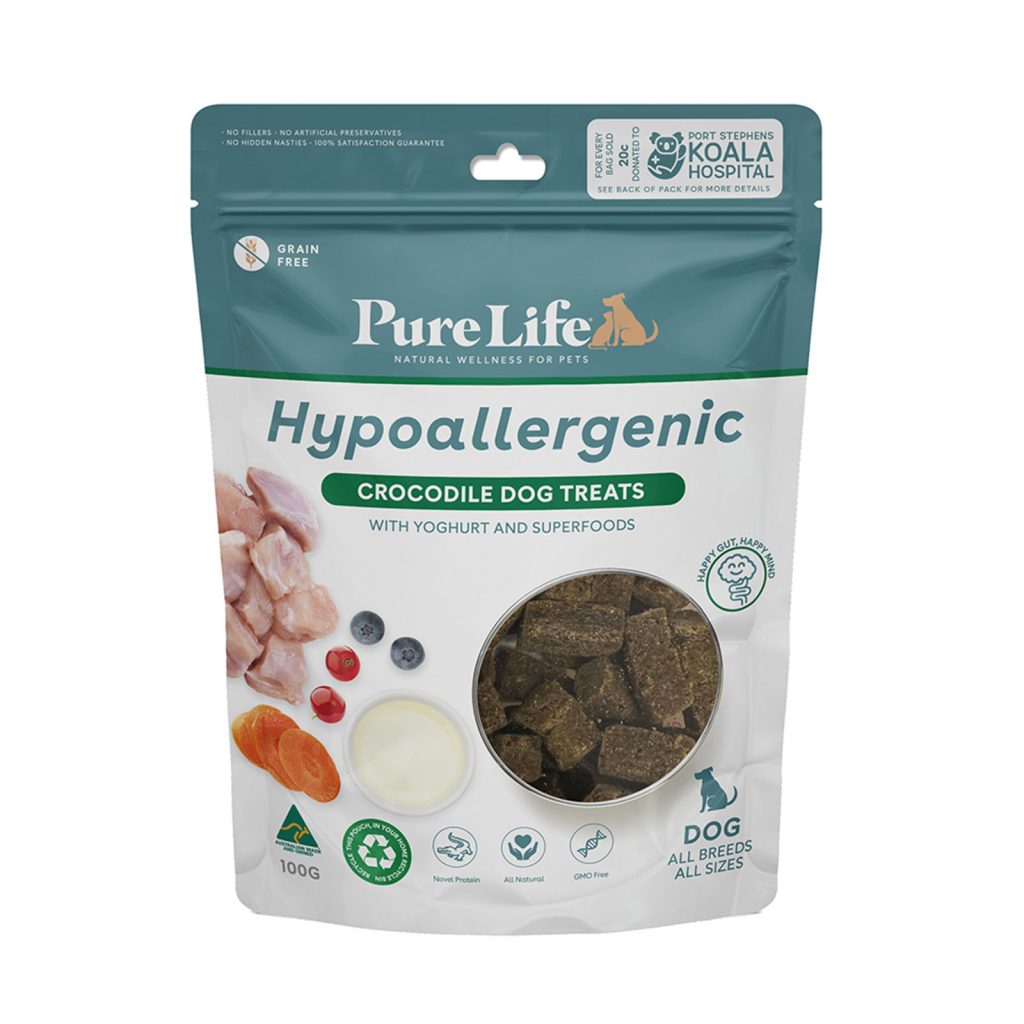
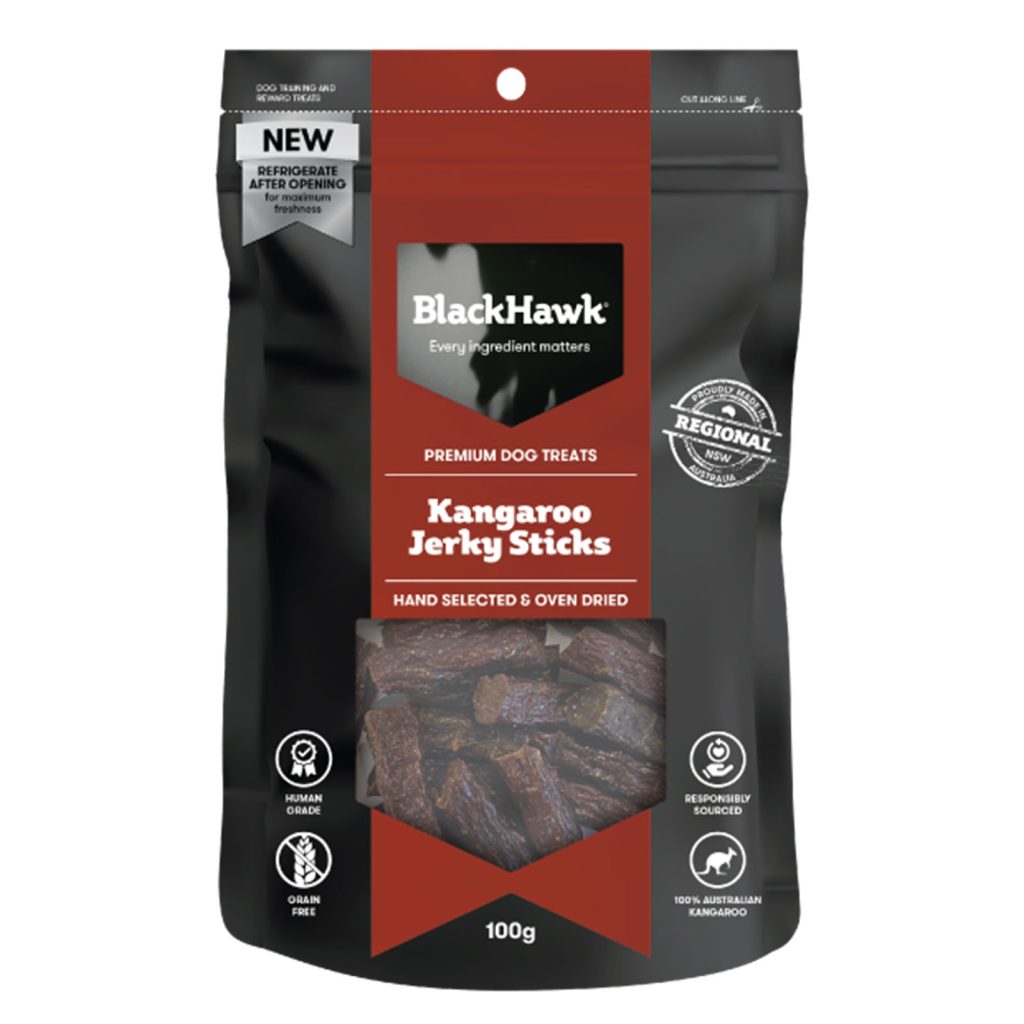
Even though hypoallergenic dogs may have dietary restrictions, it's essential to remember that they're still dogs too! Just like any other canine companion, they deserve the joy and excitement that comes with receiving a treat. Treats can serve as more than just a tasty indulgence; they're a means of bonding, training, and showing affection to our furry friends. While it's crucial to ensure that the treats given to hypoallergenic dogs are free from allergens and suitable for their dietary needs, the act of giving treats remains an integral part of the human-dog relationship. So, let's celebrate our hypoallergenic pups by providing them with delicious, safe treats that they can enjoy without compromising their health.
Hypoallergenic Treats
Finding the perfect food for a dog with allergies can be a time-consuming and sometimes frustrating process. It requires patience, persistence, and a willingness to adapt as you learn more about your dog's individual needs. Keep an open line of communication with your veterinarian, stay vigilant for any signs of allergic reactions, and don't be afraid to try different options until you find what works best for your furry friend.
Tailoring your dog's nutrition to address their allergies is a journey that requires dedication and care. By understanding your dog's unique dietary needs, identifying allergens, choosing the right food, and consulting with your veterinarian, you can provide your furry companion with the relief and comfort they deserve. With patience, persistence, and a little bit of trial and error, you can help your dog live a happy, healthy life free from the discomfort of allergies.