Livestock First Aid Kit Essentials
A basic first aid kit for livestock should contain essential items to address common injuries and health issues. Here's a basic checklist of items you might want to include:
Dressings and Bandages



Antiseptic Solution
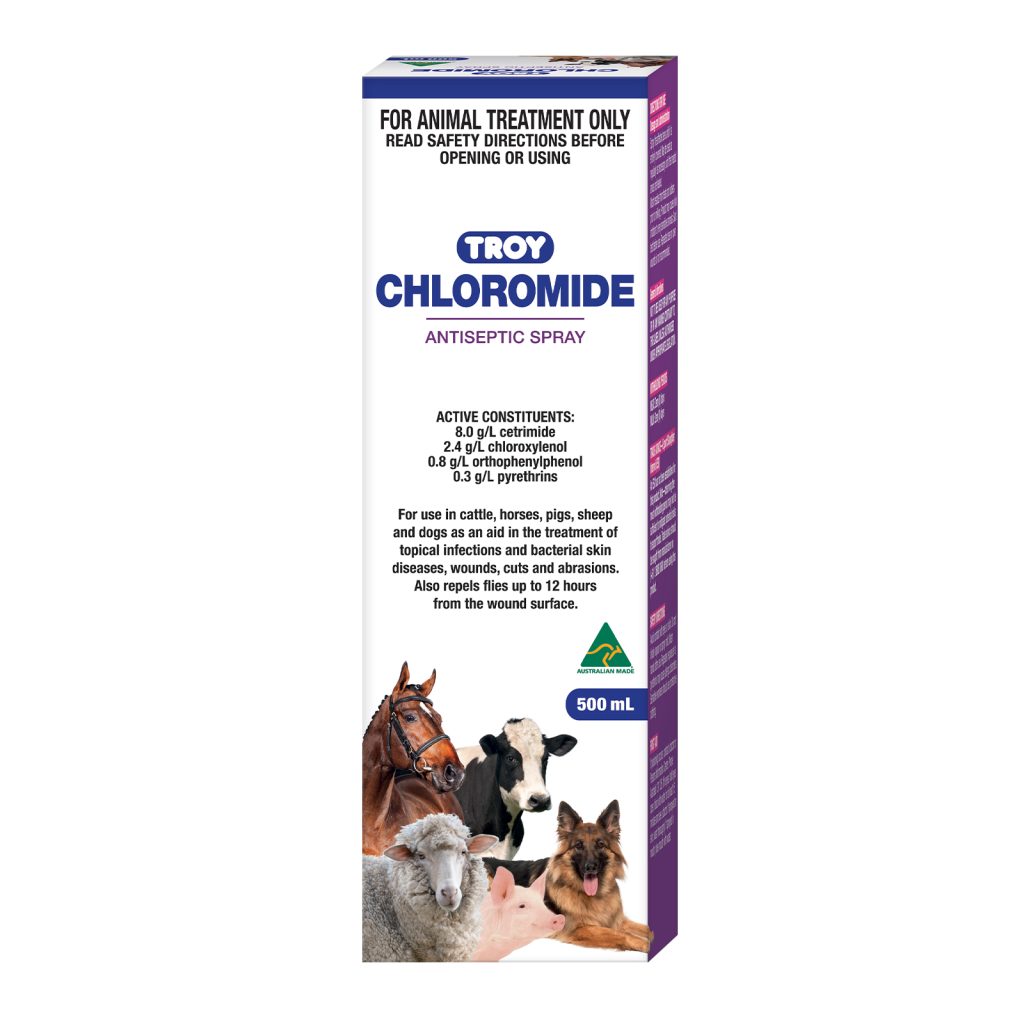
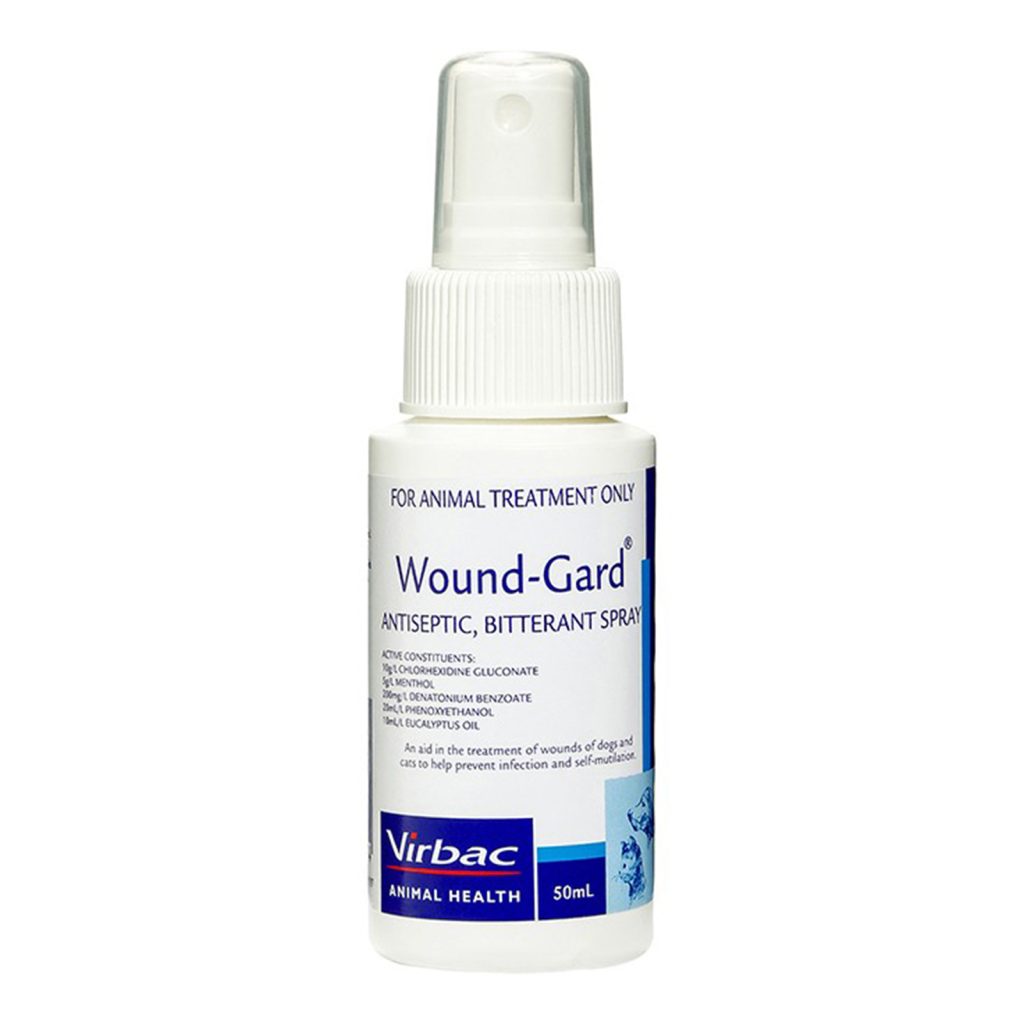
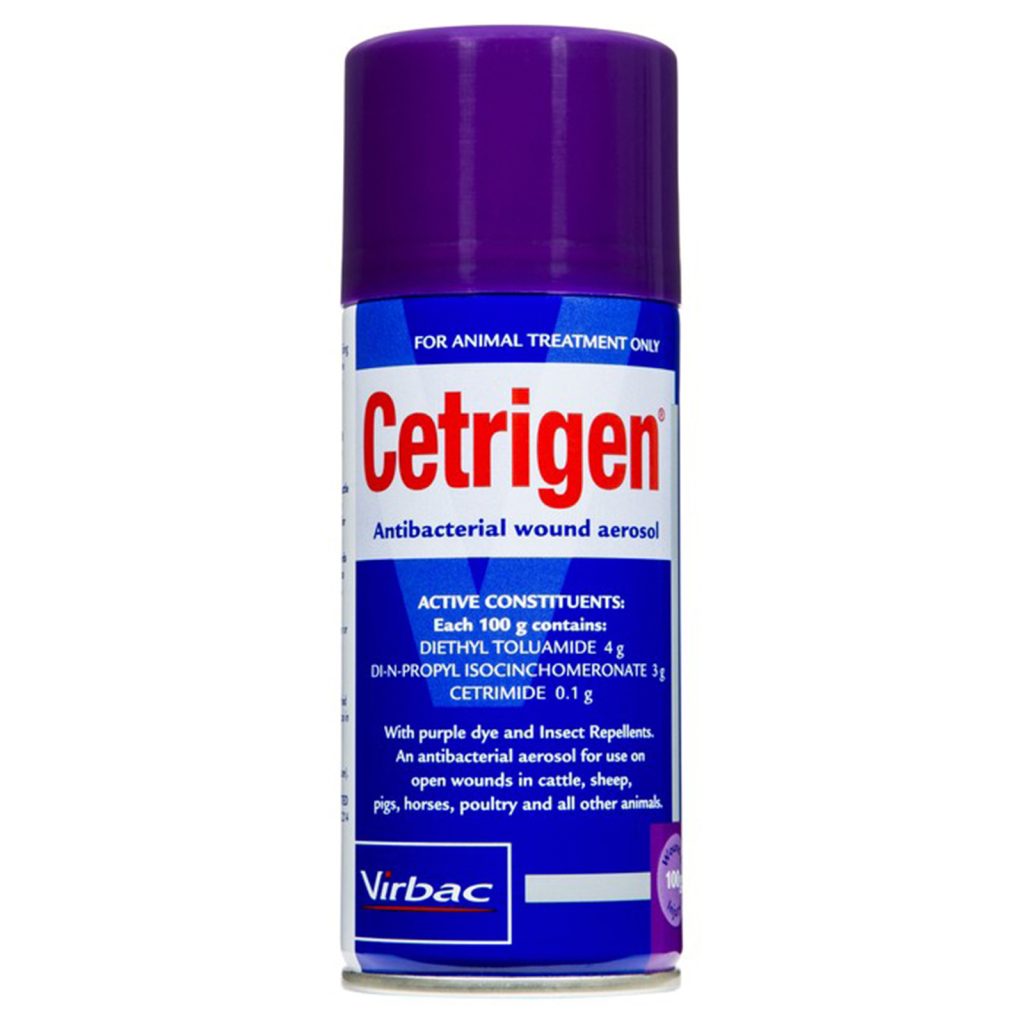
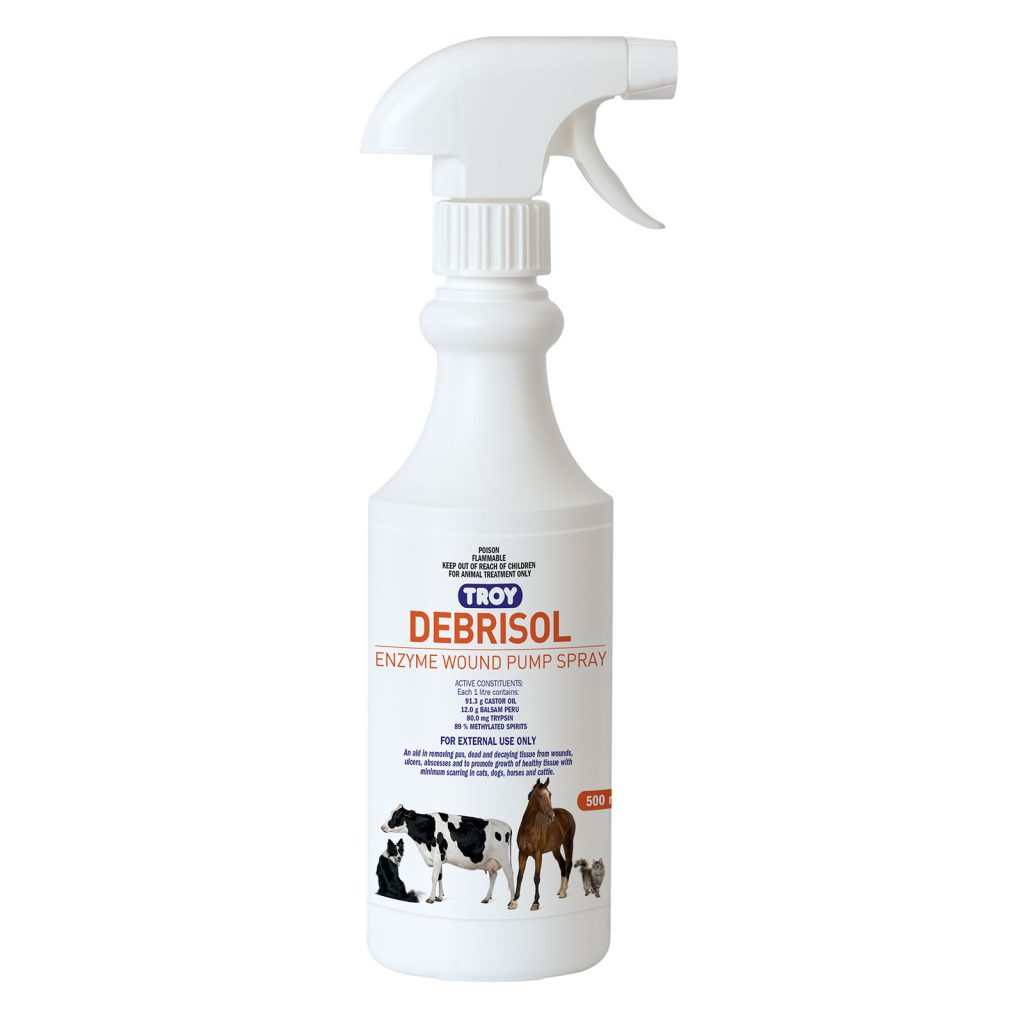
Wound Spray

Thermometer, Scissors, Tweezers and Hoof Pick
- Veterinary Thermometer: To monitor the animal's temperature, which can indicate illness or infection.
- Rectal Thermometer: For taking the animal's temperature more accurately, especially in cases of suspected illness.
- Scissors and Tweezers: For cutting bandages and removing foreign objects from wounds
- Hoof Pick: For removing debris from hooves and inspecting for injuries or infections.
- Stethoscope: To listen to the animal's heartbeat and respiratory sounds, which can indicate respiratory or cardiovascular issues.
Disposable Gloves


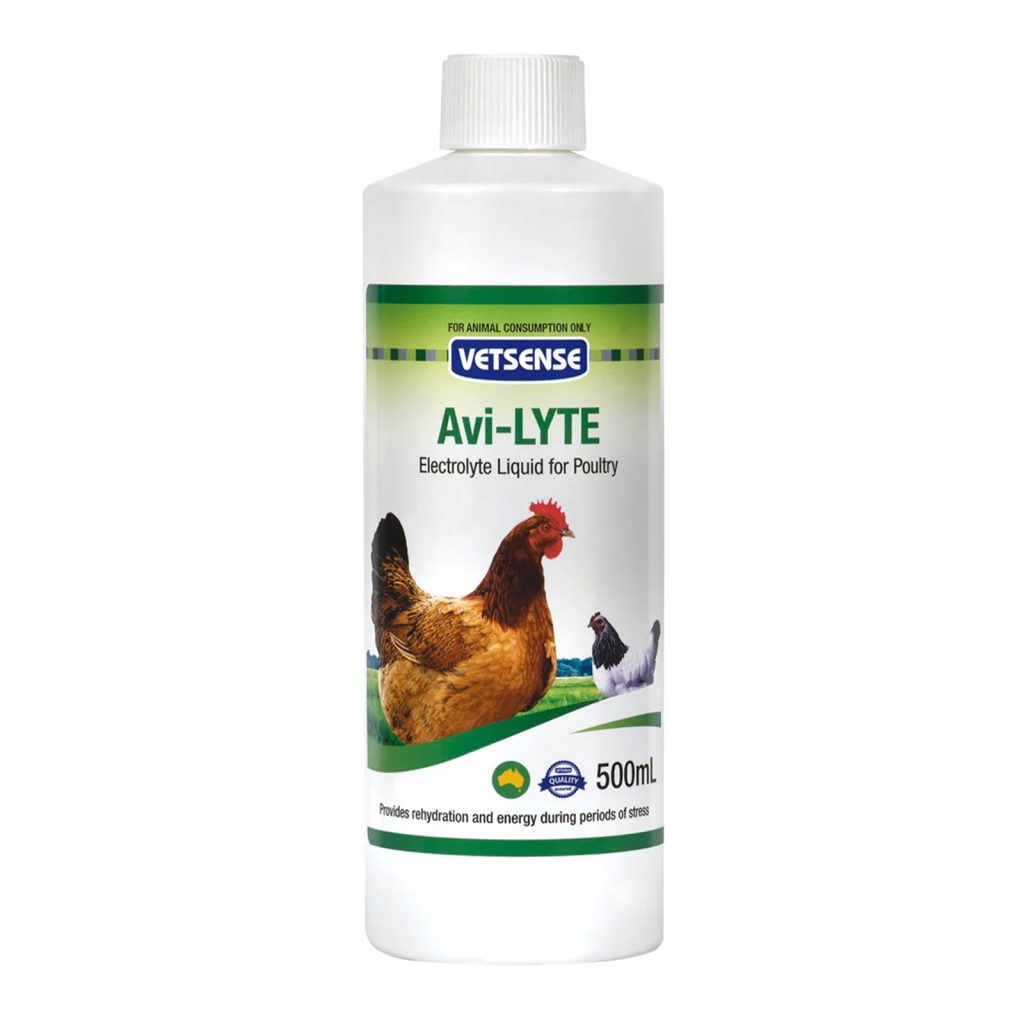
Electrolyte Solution


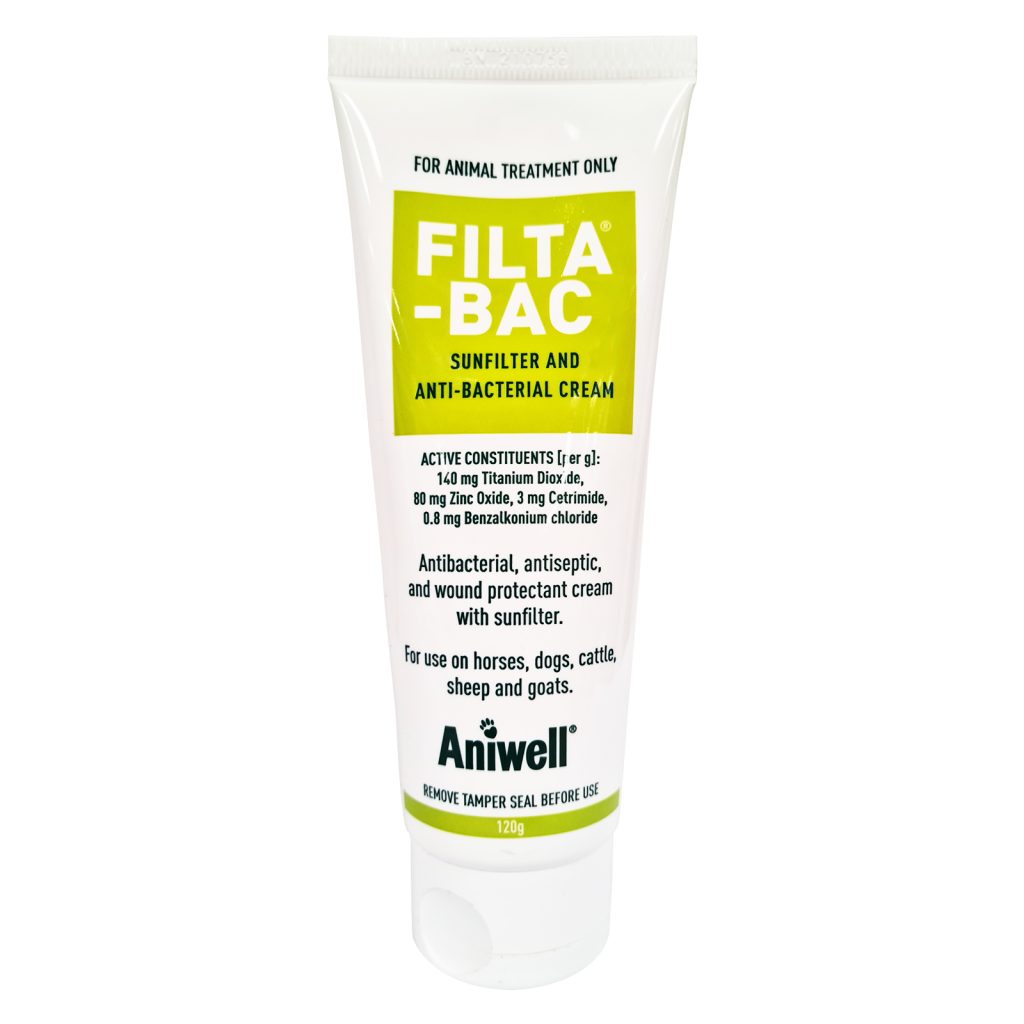
Antibiotic Ointment

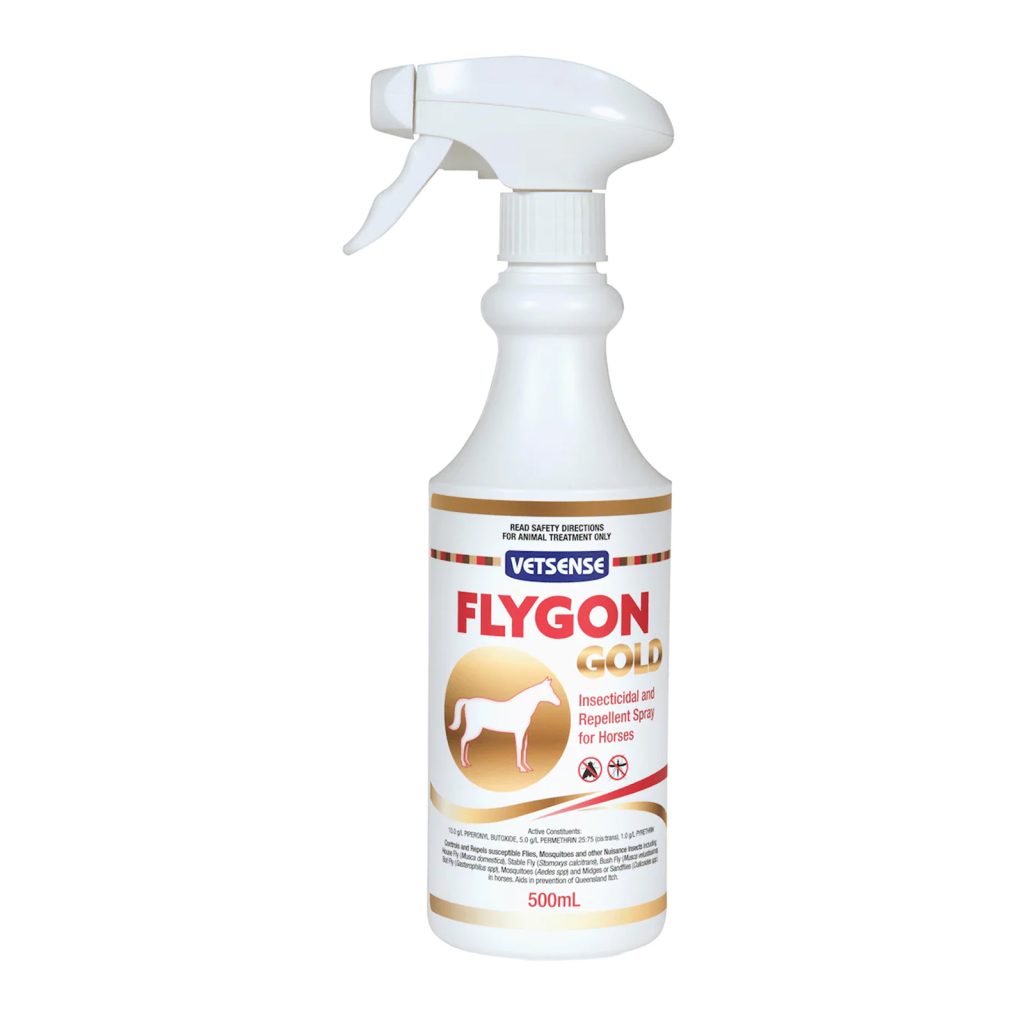
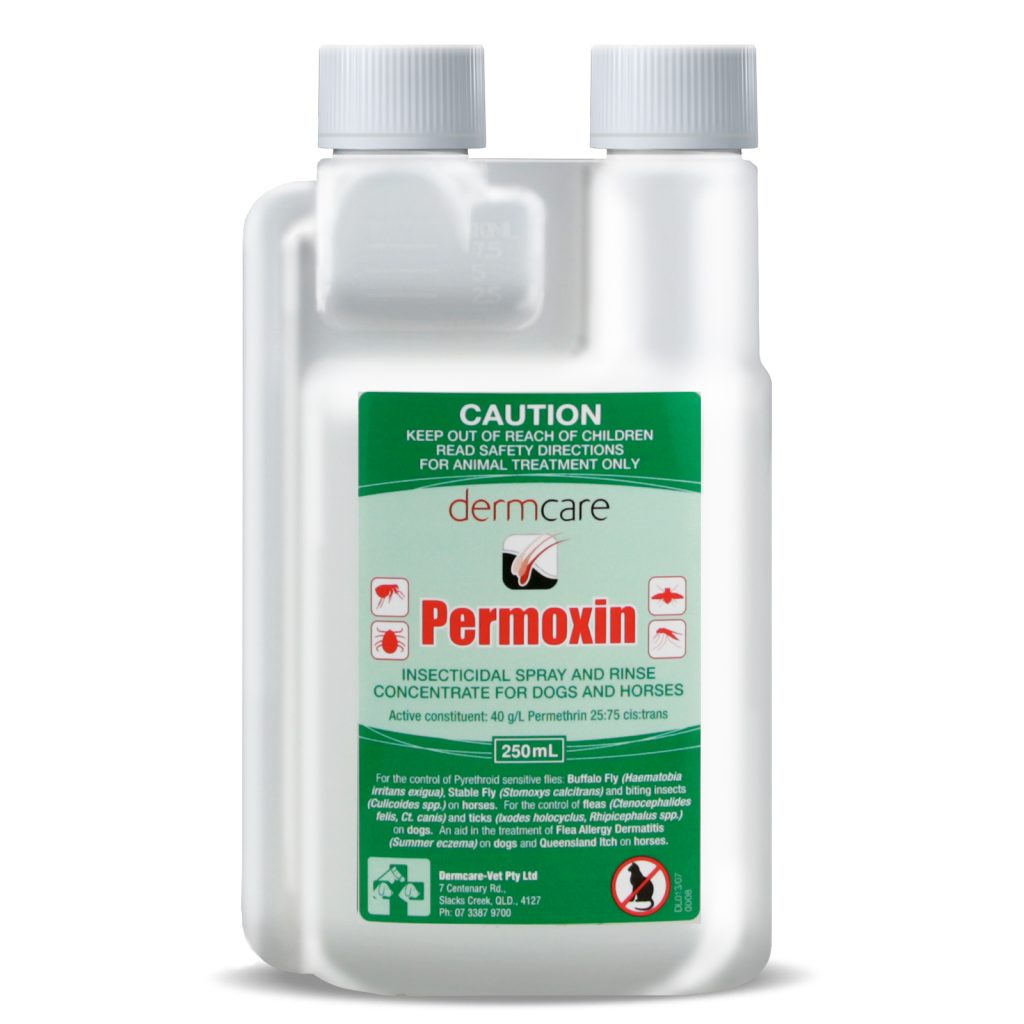
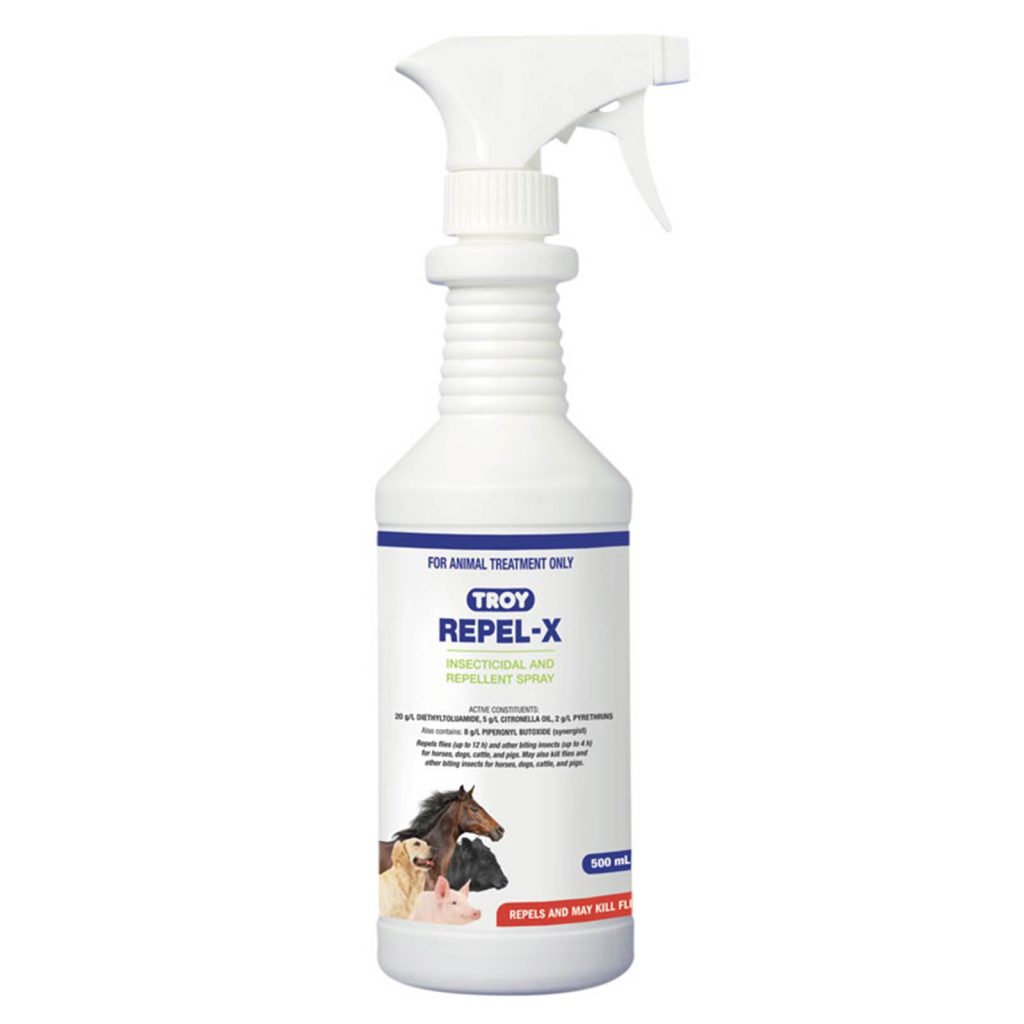
Fly Repellent Spray
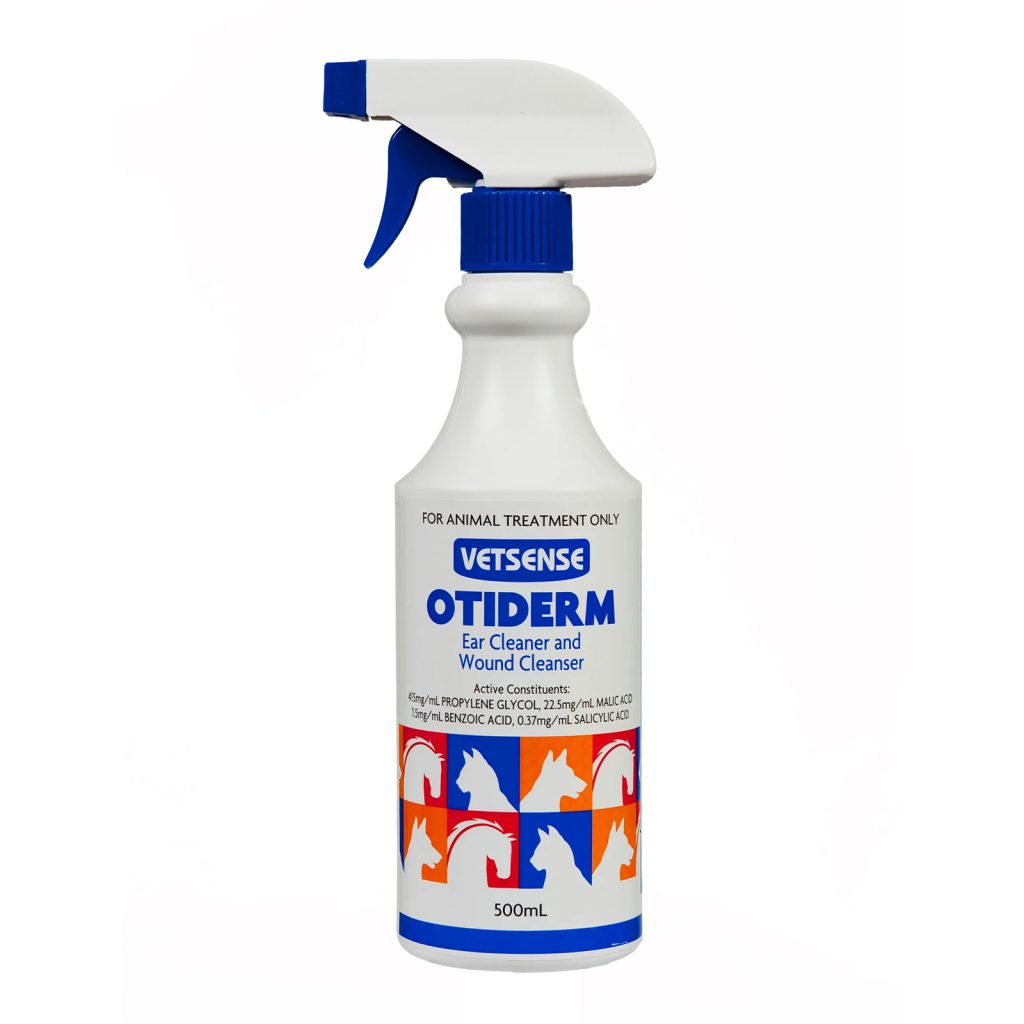
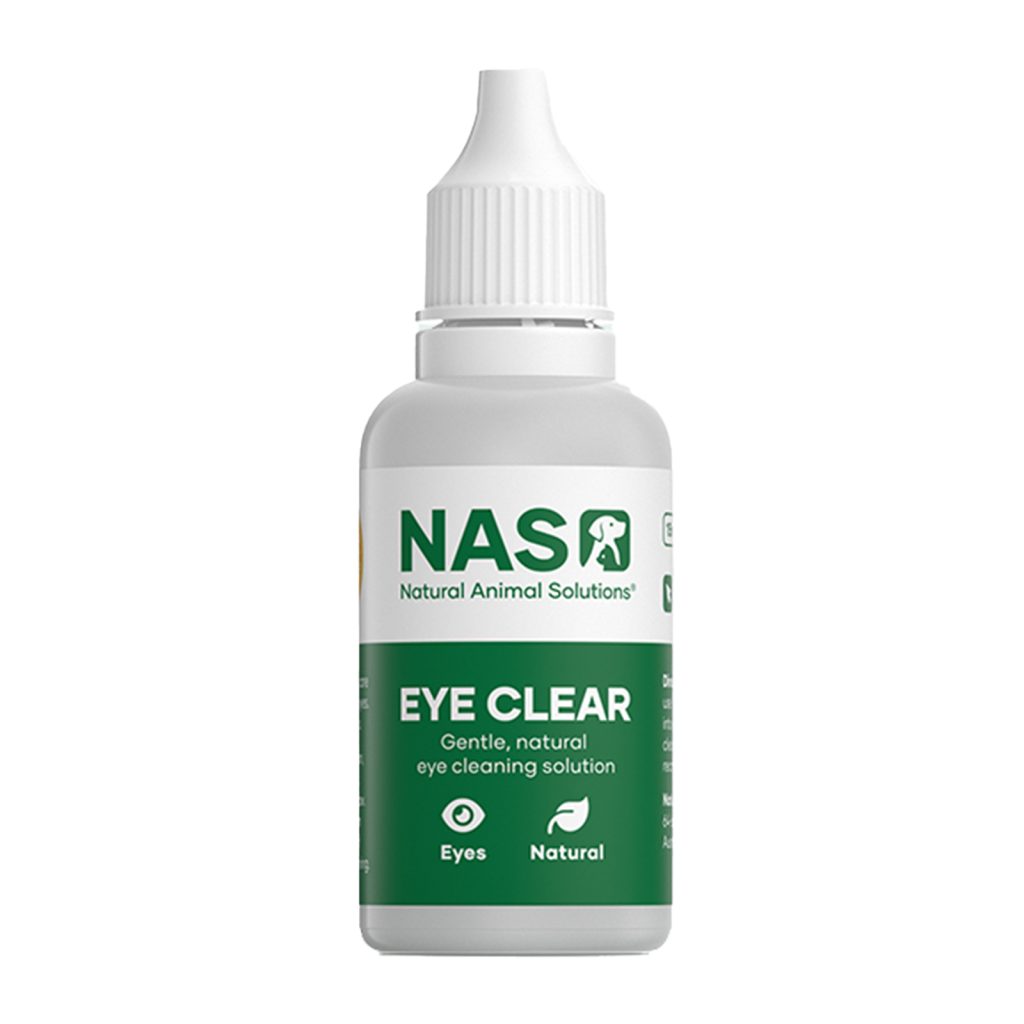
Eye Wash Solution / Ear Ointment
Emergency Contact Information
Include the phone number of your veterinarian or nearest animal hospital for easy access in an emergency situation.
Remember to regularly check and replace expired or used items in your first aid kit to ensure it's always ready for use in case of an emergency. Additionally, consider tailoring your kit to the specific needs and conditions of your livestock and consulting with your veterinarian for further guidance on assembling a comprehensive first aid kit.
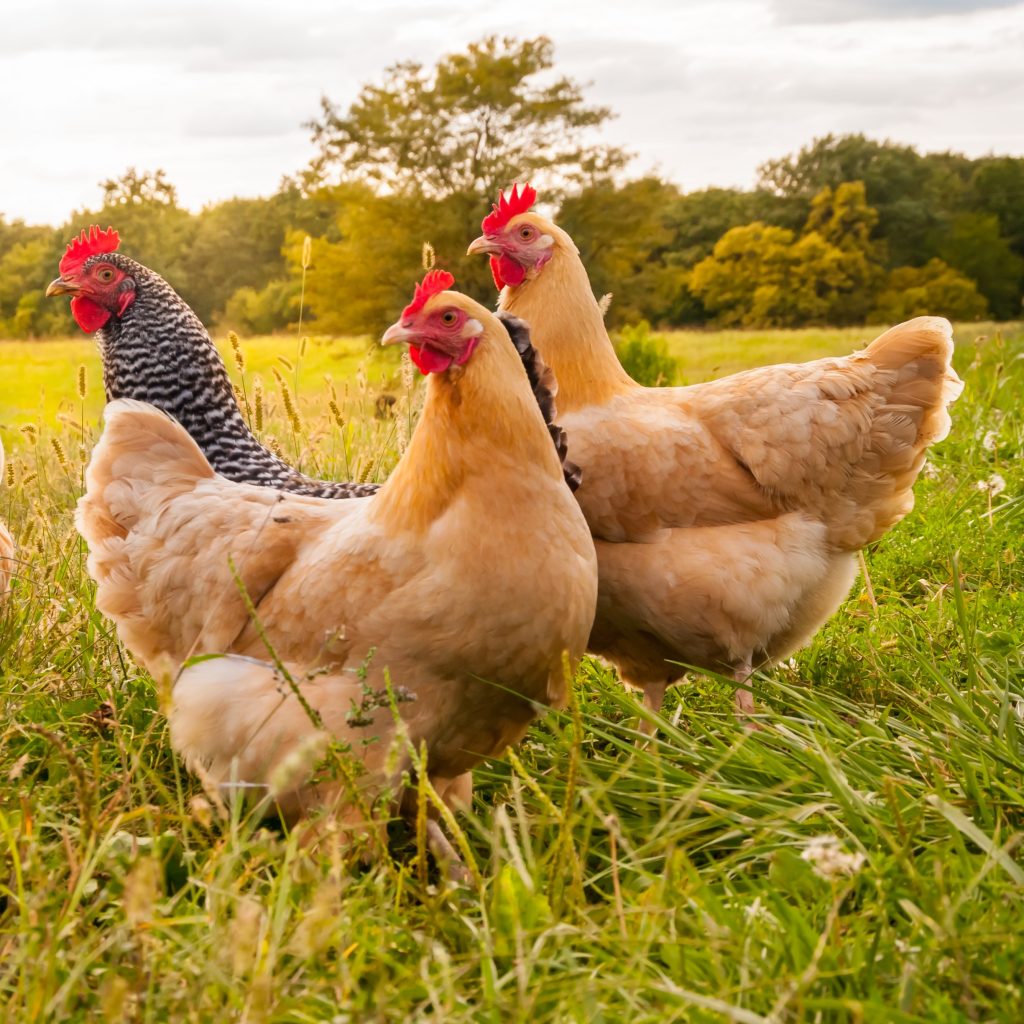


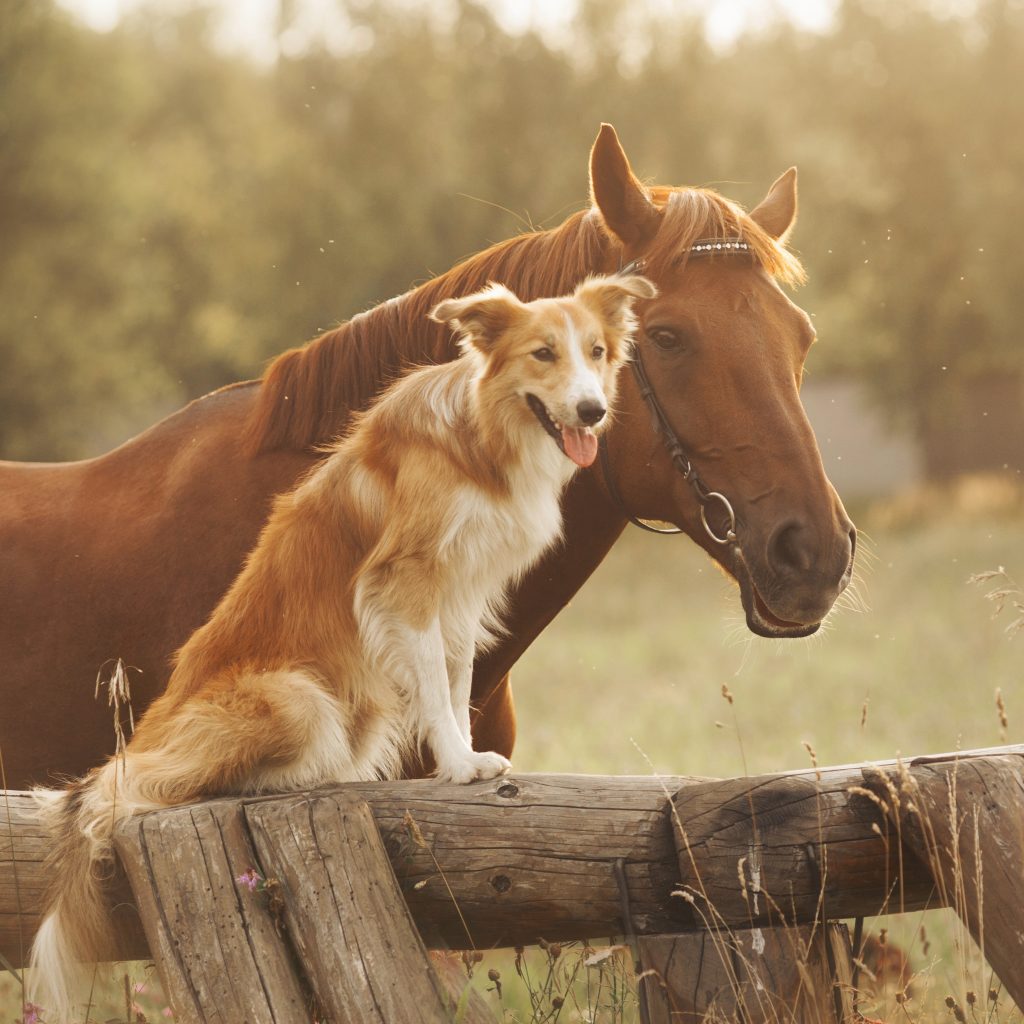
Having a well-prepared first aid kit readily available for your livestock is a crucial aspect of responsible animal care and management. Livestock, whether they're raised for production or companionship, are susceptible to injuries, illnesses, and health emergencies just like any other living creature. Being equipped with a comprehensive first aid kit ensures that you can promptly and effectively address these issues, potentially preventing minor problems from escalating into more serious conditions that could compromise the animal's welfare or even lead to loss of life.
The unpredictable nature of farming and animal husbandry underscores the importance of proactive preparedness. Livestock can encounter a variety of hazards in their environment, from minor scrapes and cuts to more significant injuries caused by accidents, predators, or adverse weather conditions. Having a well-stocked first aid kit on hand allows you to respond swiftly to emergencies, providing immediate care and stabilization until professional veterinary assistance can be obtained if necessary. In rural or remote areas where veterinary services may not be readily available, a properly equipped first aid kit can make all the difference in ensuring the best possible outcome for the animal.
Having a livestock first aid kit readily available demonstrates a commitment to animal welfare and responsible stewardship. Livestock rely on their owners and caretakers to meet their basic needs and ensure their health and wellbeing. By investing time and resources into assembling and maintaining a comprehensive first aid kit, you demonstrate your dedication to providing the highest standard of care for your animals. Being prepared to handle medical emergencies promptly and effectively not only benefits the individual animals under your care but also contributes to the overall health and productivity of your livestock operation.