Learning How to Crate Train Your Puppy
Welcoming a new puppy into your home is an exciting yet challenging journey. Amidst the joy and cuddles, there's the inevitable need for training and management. One of the most valuable tools in a puppy owner's arsenal is crate training. Far from being a restrictive measure, crate training is a holistic approach to fostering a secure environment for your furry friend while promoting positive behaviours and ensuring their safety, even in your absence.
The Purpose and Benefits of Crate Training
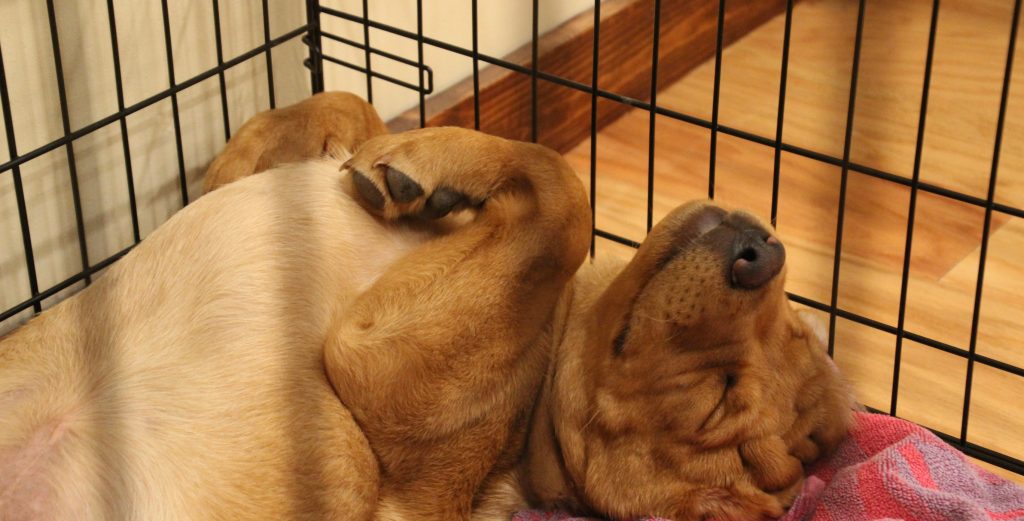
At its core, crate training aims to provide your puppy with a safe haven—a cosy sanctuary where they can feel secure and comfortable. But its benefits extend far beyond mere confinement.
House Training Made Easy
One of the primary advantages of crate training is its efficacy in housebreaking. Puppies possess a natural instinct to avoid soiling their sleeping area. By confining them to a crate, you leverage this instinct to your advantage. Promptly escorting your puppy outside after they wake up in their crate reinforces the association between relieving themselves and the designated outdoor area. This not only streamlines the house training process but also minimizes accidents indoors.
Curbing Destructive Chewing
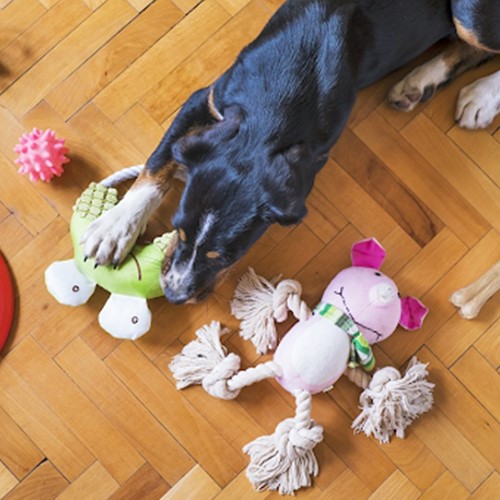
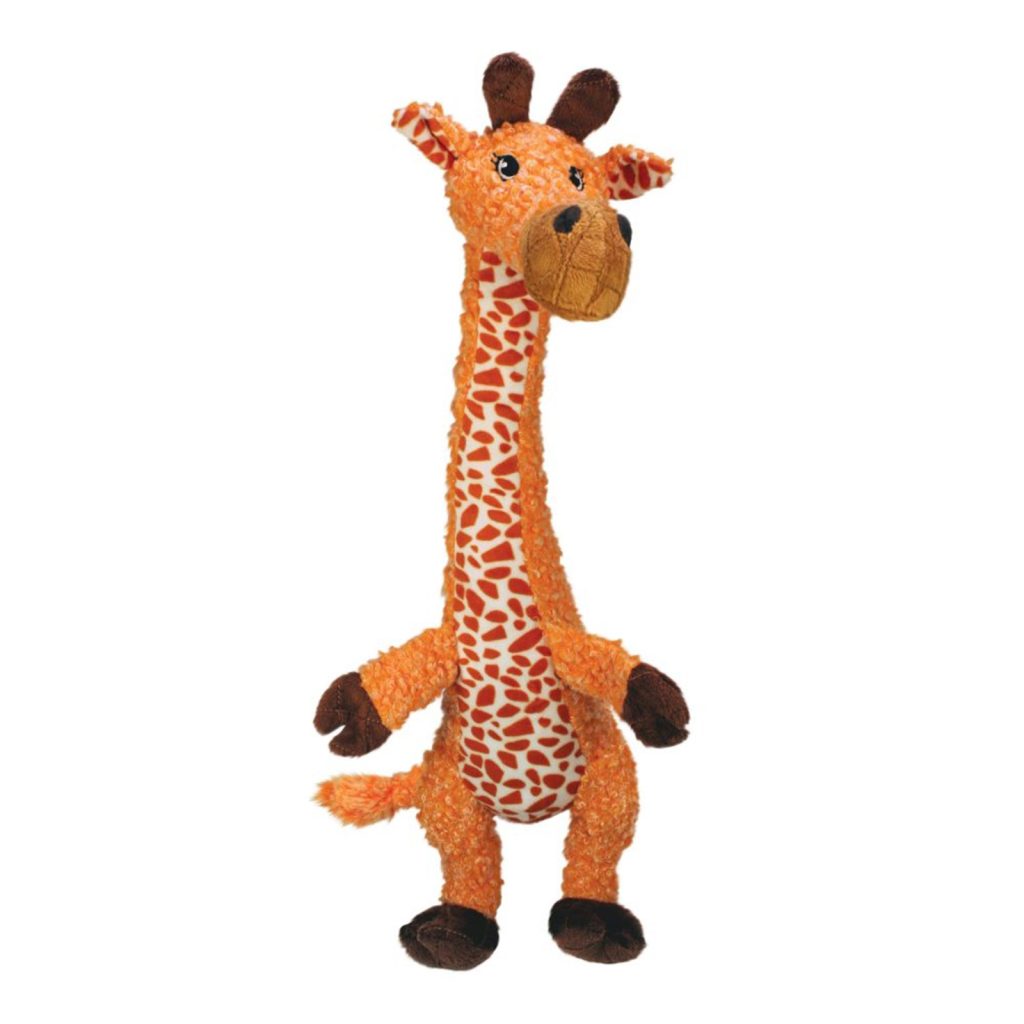
Puppies, with their boundless energy and teething tendencies, are notorious for wreaking havoc on furniture and household items. Crate training provides a strategic solution by limiting their access to potential chewing targets. Equipping the crate with enticing chew toys redirects their chewing behaviour positively, steering them away from destructive habits and towards constructive play.
Fostering Independence
Teaching your puppy to embrace solitude is a crucial life skill that instils resilience and self-reliance. A properly crate-trained puppy learns to find solace and security in their own company, reducing separation anxiety and promoting emotional well-being.
Ensuring Safety in Transit
Beyond the confines of home, crates offer a secure means of restraint during car journeys, safeguarding both your puppy and passengers. Additionally, crates serve as temporary enclosures during travel, ensuring your puppy's comfort and security in unfamiliar environments.
Alleviating Stress
From vet visits to boarding stays, unfamiliar environments can trigger anxiety in dogs. Crate training instils a sense of security and familiarity, providing a comforting retreat in times of stress and uncertainty.
Getting Started: A Step-by-Step Approach
Embarking on the crate training journey requires patience, consistency, and a strategic approach.
1 | Choosing the Right Crate
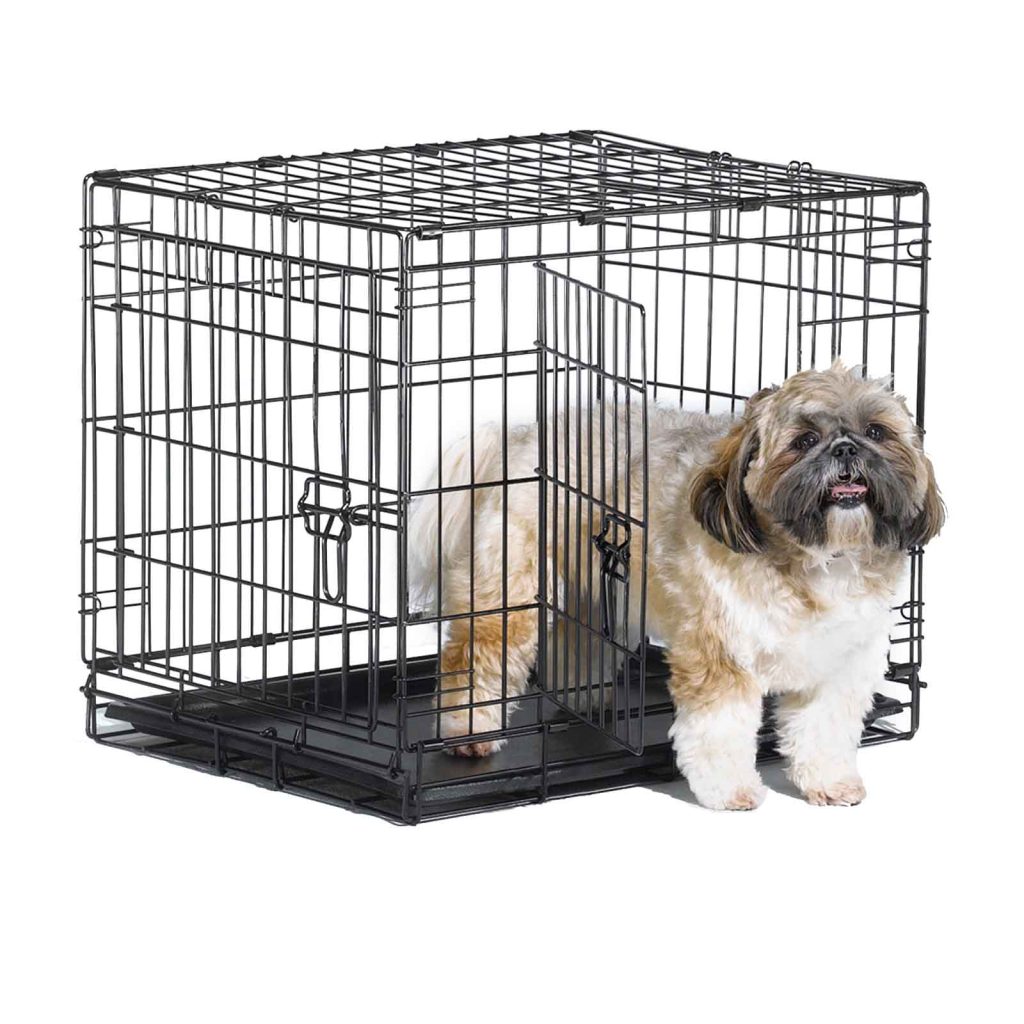
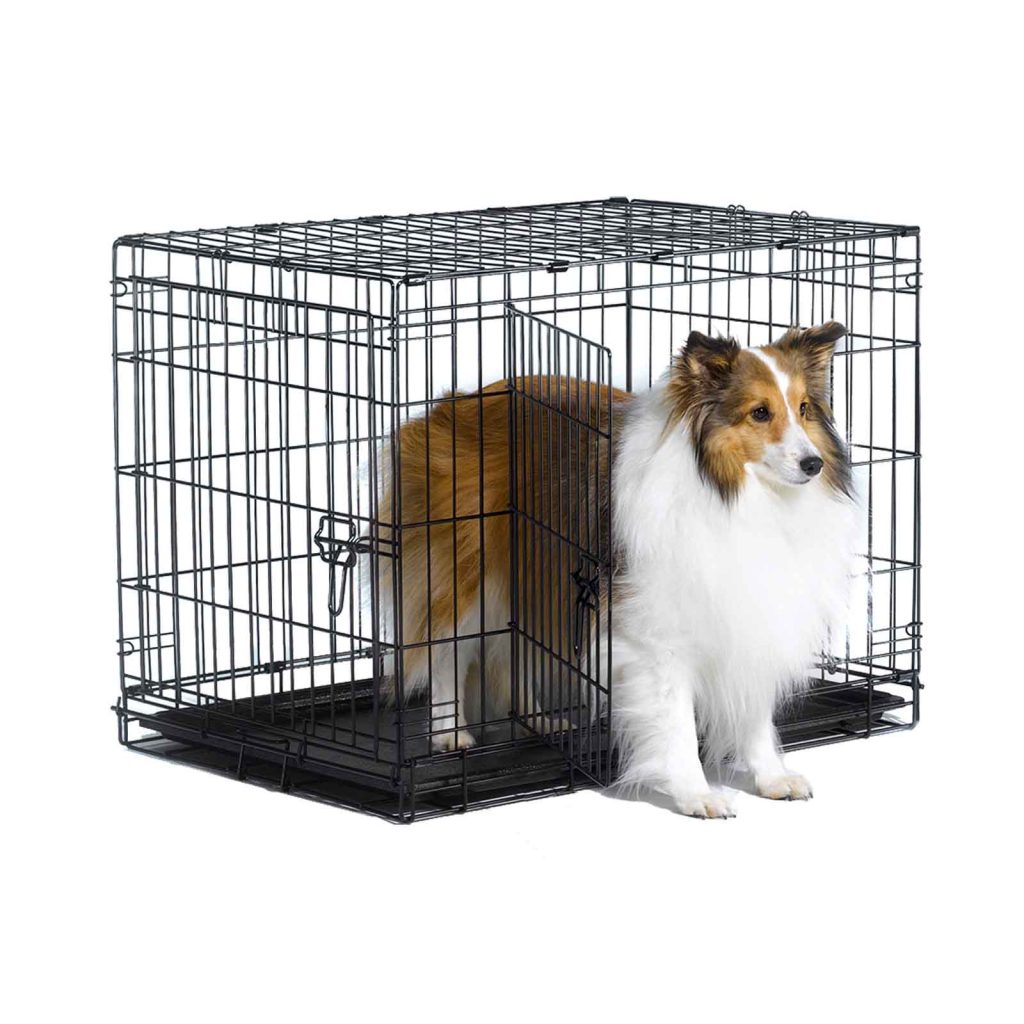
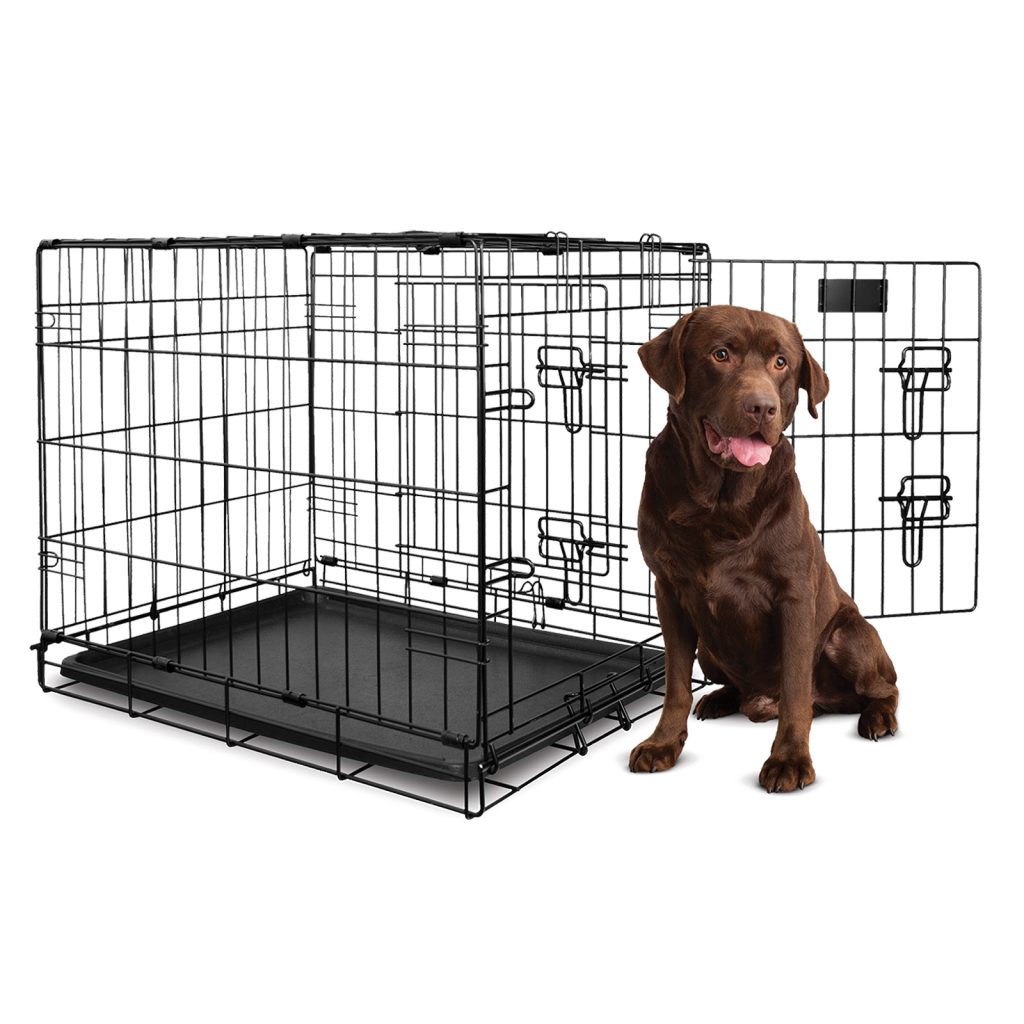
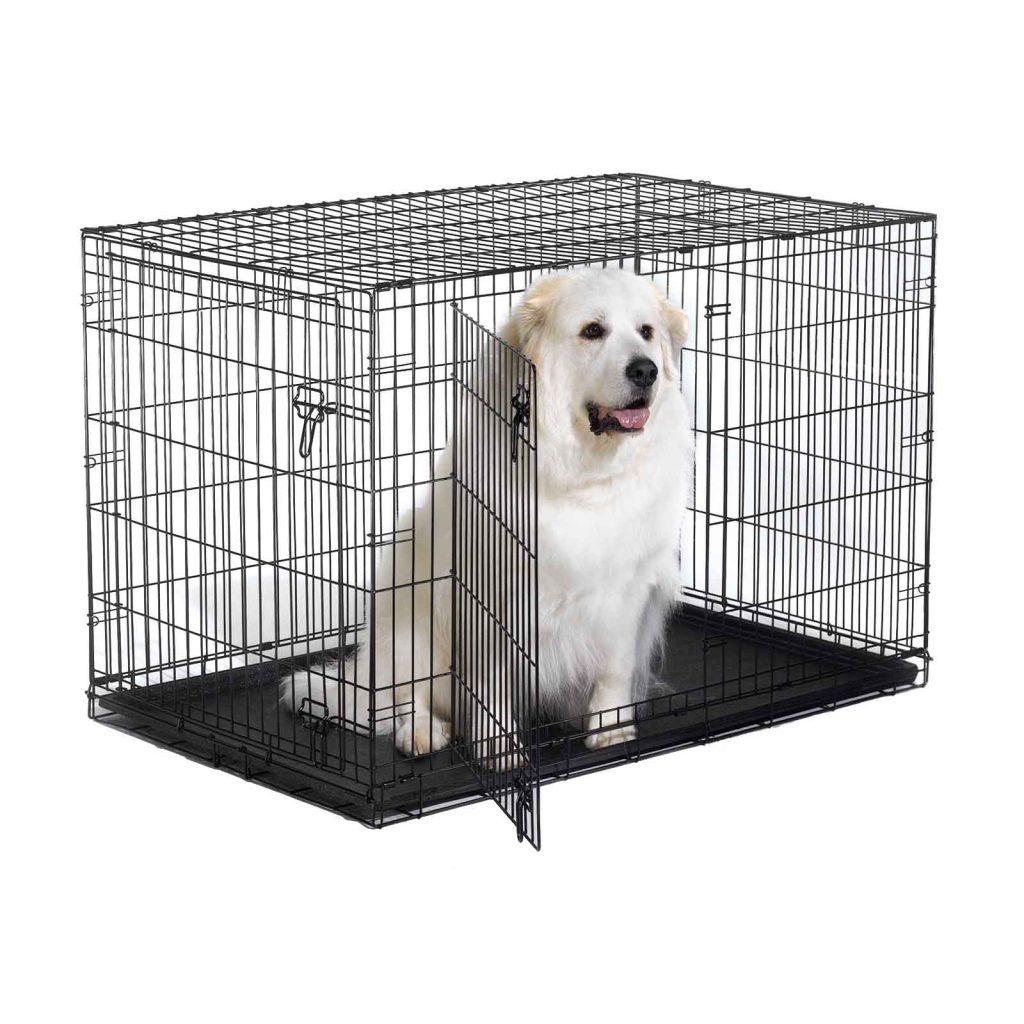
Select a crate that offers ample space for your puppy to stand, turn around, and stretch comfortably, ensuring a cosy yet not confining environment.
2 | Creating Positive Associations
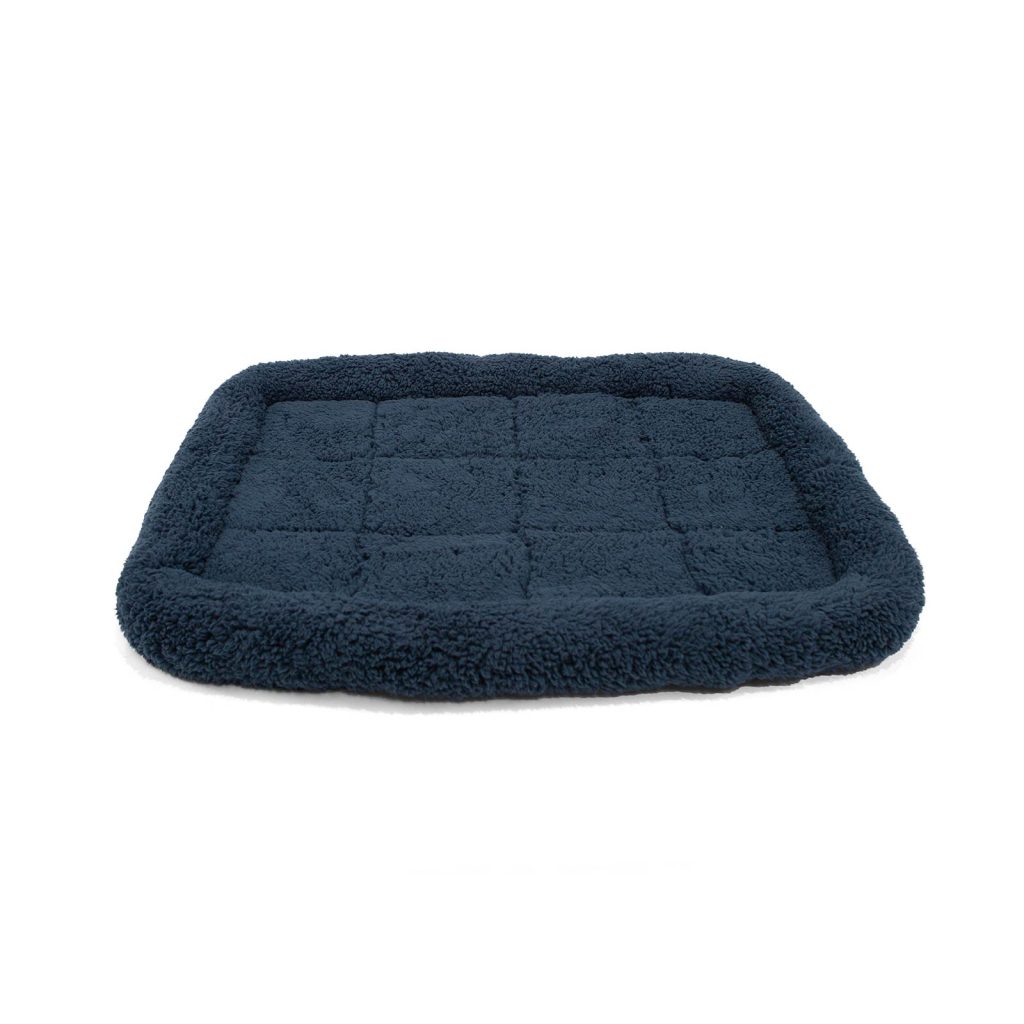
Introduce the crate gradually, incorporating treats, toys, and cosy bedding to make it an inviting and appealing space. Encourage exploration and reward your puppy's curiosity with praise and treats.
3 | Gradual Introduction to Closed Doors
Transition to closing the crate door during short intervals, gradually increasing the duration as your puppy grows accustomed to confinement. Always associate crate time with positive experiences, such as mealtime or playtime.


4 | Night-time Crating
Initially, place the crate near your bed to monitor your puppy's needs during the night. Attend to bathroom breaks promptly, reinforcing the connection between crate time and bathroom breaks. As your puppy adjusts to the routine, gradually transition the crate to its designated location.