Keeping Your Cats Urinary Tract Healthy

Feline Urinary Health
Did you know cats can get urinary tract disease?
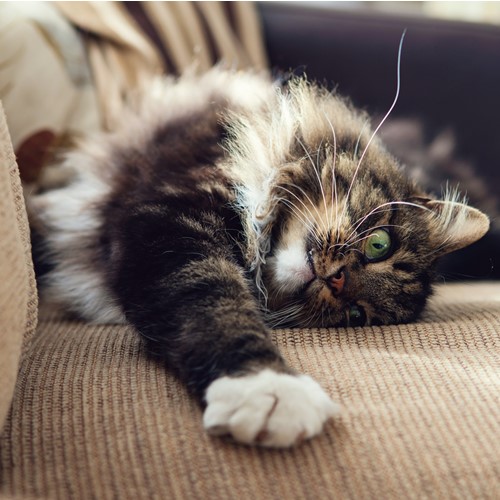
Cats sleep on average 15 hours and some even up to 20 hours a day! Wouldn't that be the life? But unfortunately while cats are doing all this sleeping they may not be drinking enough water or going to the toilet regularly. The incorrect balance of activity, nutrition and water intake can have an impact on their health including their urinary tract. This could lead to issues including urinary tract inflammation (cystitis), infection or bladder crystals.
Signs of poor urinary tract health
- Not drinking much water
- Refusing to use the litter tray
- Urinating frequently in very small amounts
- Excessive Grooming of genital area
- Blood in urine
- Meowing more than usual
- Discomfort when petted
The most common cause of urinary tract disease in cats is Feline Idiopathic Cystitis (FIC). Young to middle-aged cats are more commonly affected with males over-represented. If your cat has a history of frequent urination, straining to urinate, blood in their urine or an inability to urinate then FIC is most likely the culprit. Being idiopathic means the cause is unknown however there are lots of predisposing factors.
Risks for FIC:
- Obesity
- Lack of outdoor access
- Decreased activity levels
- Poor environmental enrichment (no perching/hiding spaces)
- Inter-cat conflict from multi-cat households
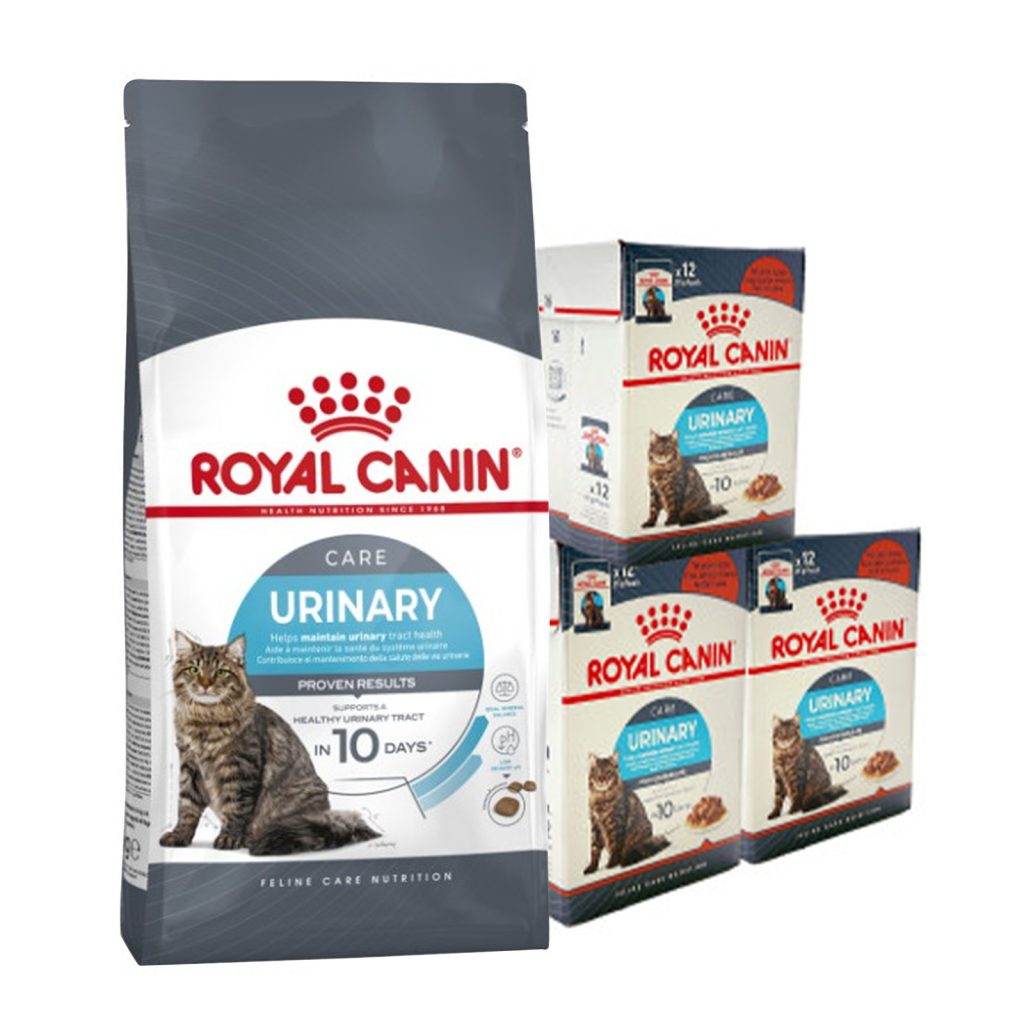
- Dry food diet
- Anxious nature
Treatment involves medication and veterinary attention but there are preventatives to reduce recurrence.
Urinary Tract Health Support
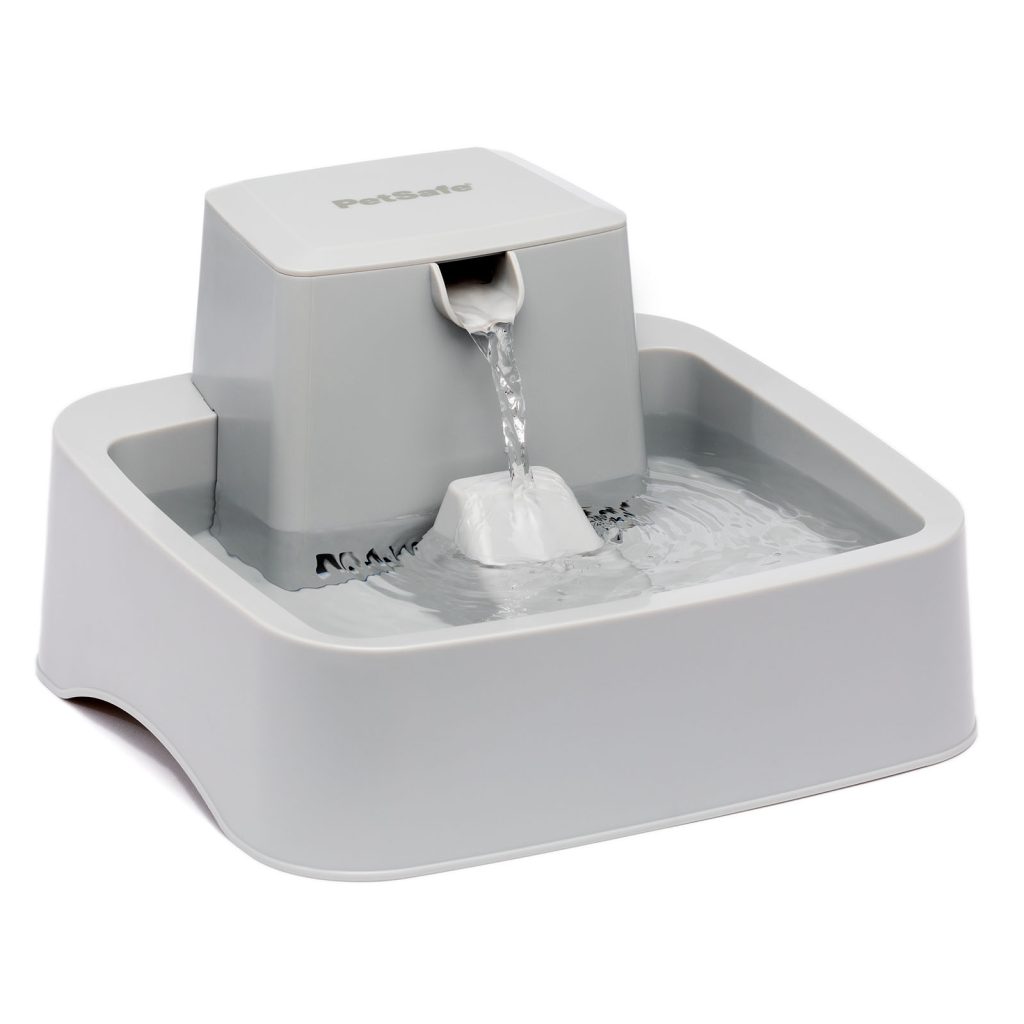
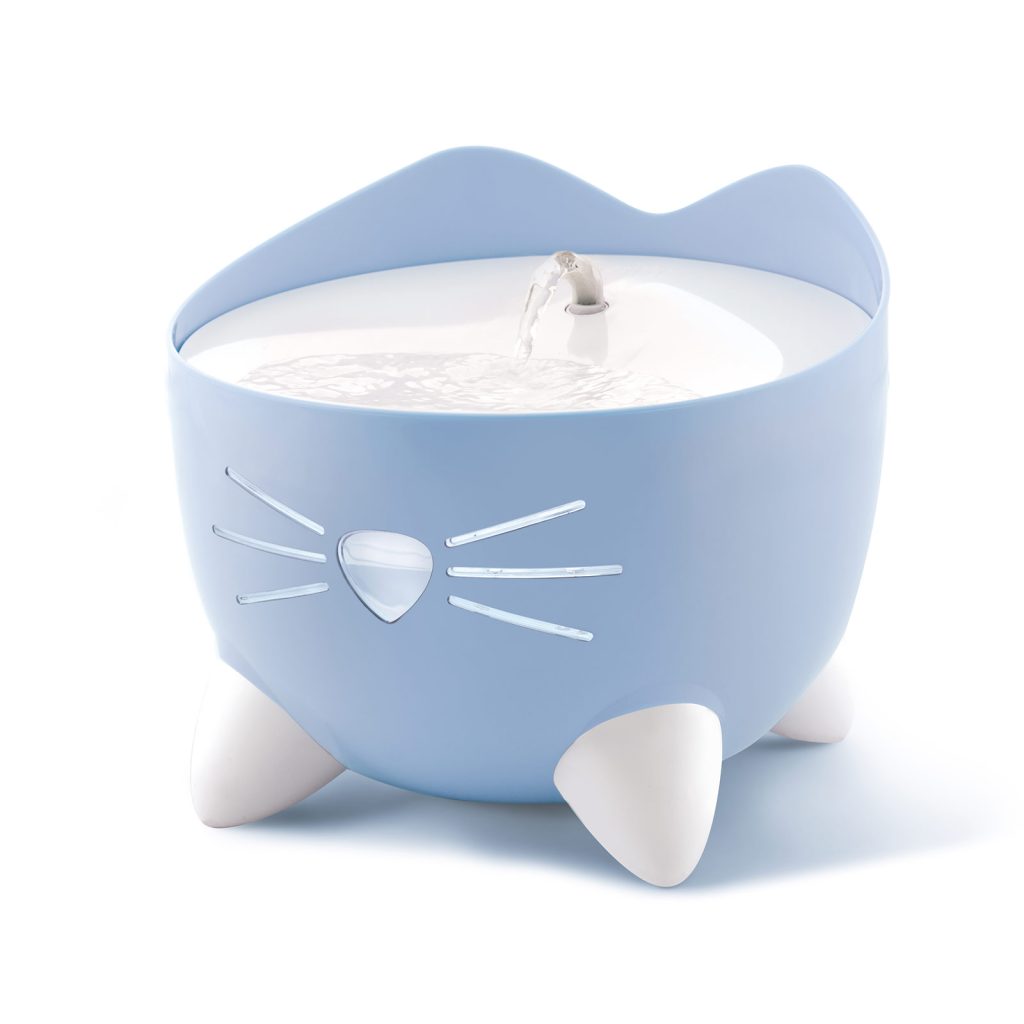
- Encourage hydration with wet food, water fountains or extra water bowls replenished daily with fresh water
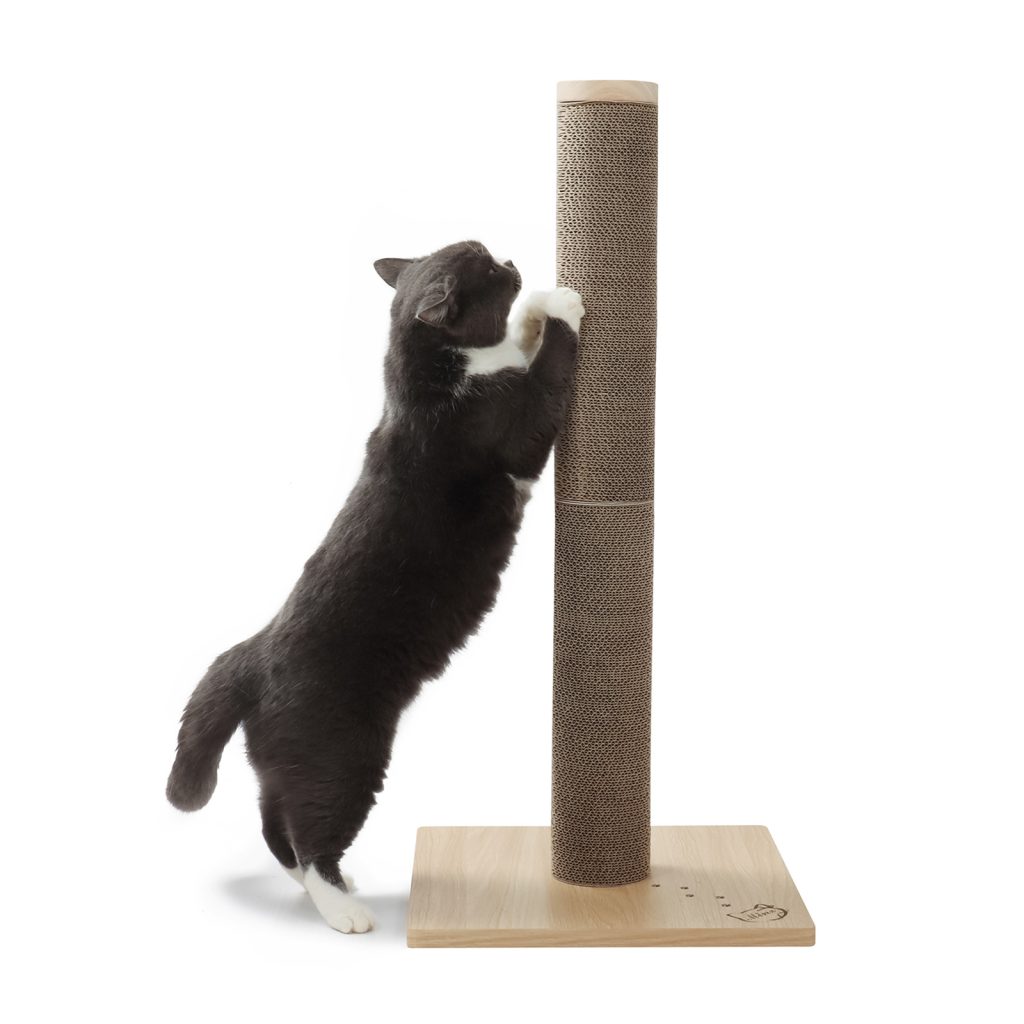
- Increase environment enrichment with toys, scratching posts, hiding spots, perches and puzzle feeders
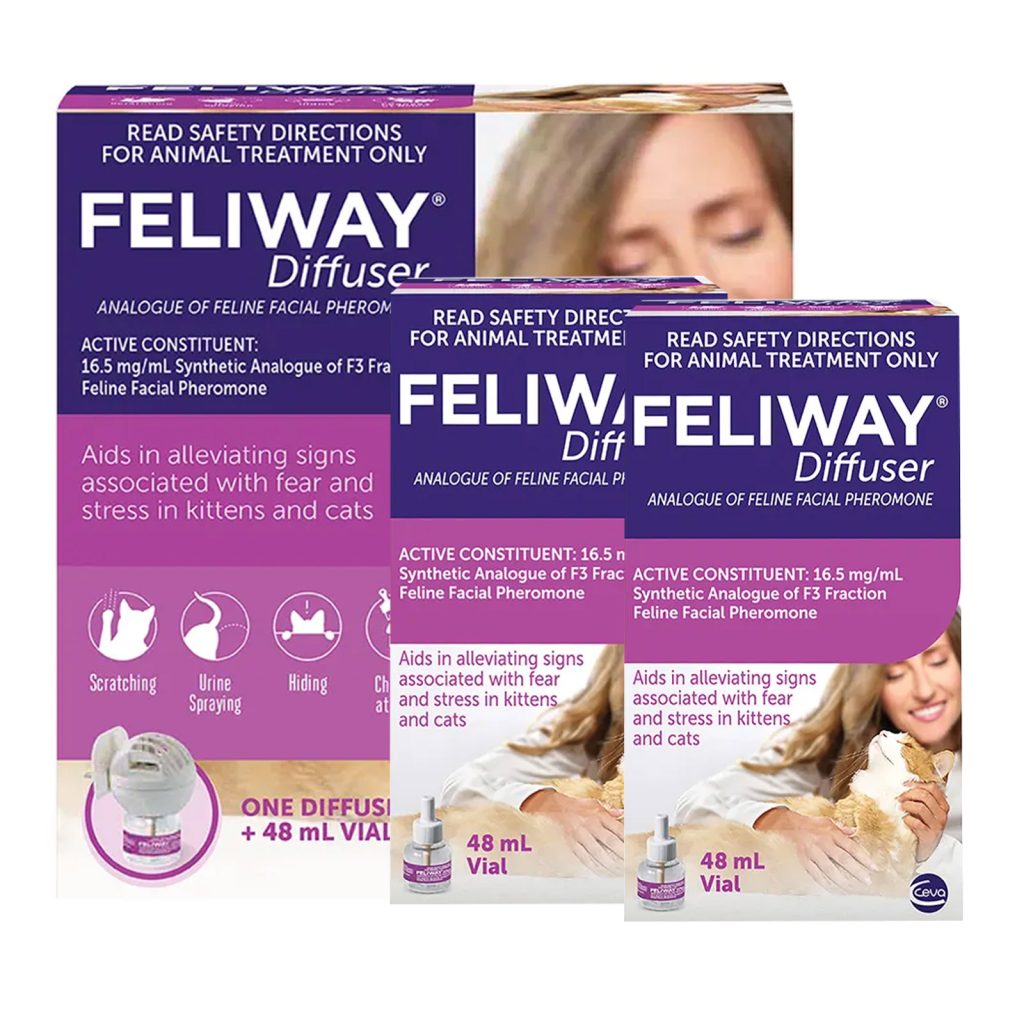
- Reduce stress with anxiety aids like Feliway & Zylkene
- Easily accessible litter trays that are kept clean and tidy (each cat has 1 tray + 1 extra)
- Use a schedule for set feeding, play and rest times
- Separate cats if they can’t cohabitate and reduce competition in the home with extra food, water, litter trays and rest spots
- Prevent feline visitors in your yard with deterrents or privacy screening
- Any adjustments to your cat’s home environment or routine should be done gradually
Cats are prone to stress, like predictability and do not cope well with changes to their environment or routine. Urinary tract disease is best managed by keeping your cat content at home, making food, water, play, rest and toileting, easily accessible and hygienic. Keep a close eye on your cat and their toileting habits, if any changes are observed speak to your vet. Let’s stop toileting issues before they start to keep your cat happy and content.