How to Cut or Clip Your Cat’s Nails
Clipping your cat's nails may seem like a daunting task, but fear not! With a few treats, some patience, and a bit of practice, you'll be a pro in no time.
How to Cut & Clip Your Cat's Nails - Our Step By Step Guide
Cutting your cat's nails can be a daunting task if you have no experience, but with the right approach and tools, it can be done effectively and safely. In this guide, we will provide step-by-step instructions and tips for trimming your cat's nails, including how to prepare your cat for the process, how to properly handle their paws, and how to safely cut their nails without causing pain or injury. We will also provide advice on how to calm your cat and make the experience as stress-free as possible for both you and your feline friend. By following this guide, you can feel confident in your ability to keep your cat's nails healthy and well-maintained.
Why do I need to cut my cat's nails?
Clipping your cat's nails is an important aspect of their overall health and well-being. Overgrown nails can cause discomfort, pain, and can even lead to health issues. Moreover, cats with long nails can unintentionally scratch furniture, carpet, or their owners.
How often should I cut my cat's nails?
The frequency of trimming your cat's nails depends on their activity level and how quickly their nails grow. Generally, it's recommended to trim their nails every 4-6 weeks, but some cats may require more frequent trims. You can also observe their nails and trim them when they start to get too long.
How do I know when its time to cut my cat's nails?
There are a few signs that your cat's nails need to be trimmed. You may hear clicking sounds when they walk on hard surfaces, they may get stuck on fabrics or carpets, or their nails may start to curl or grow into their paw pads. Regularly checking their nails and trimming them when necessary can prevent discomfort and potential health issues.
What tools do I need to cut my cat's nails?
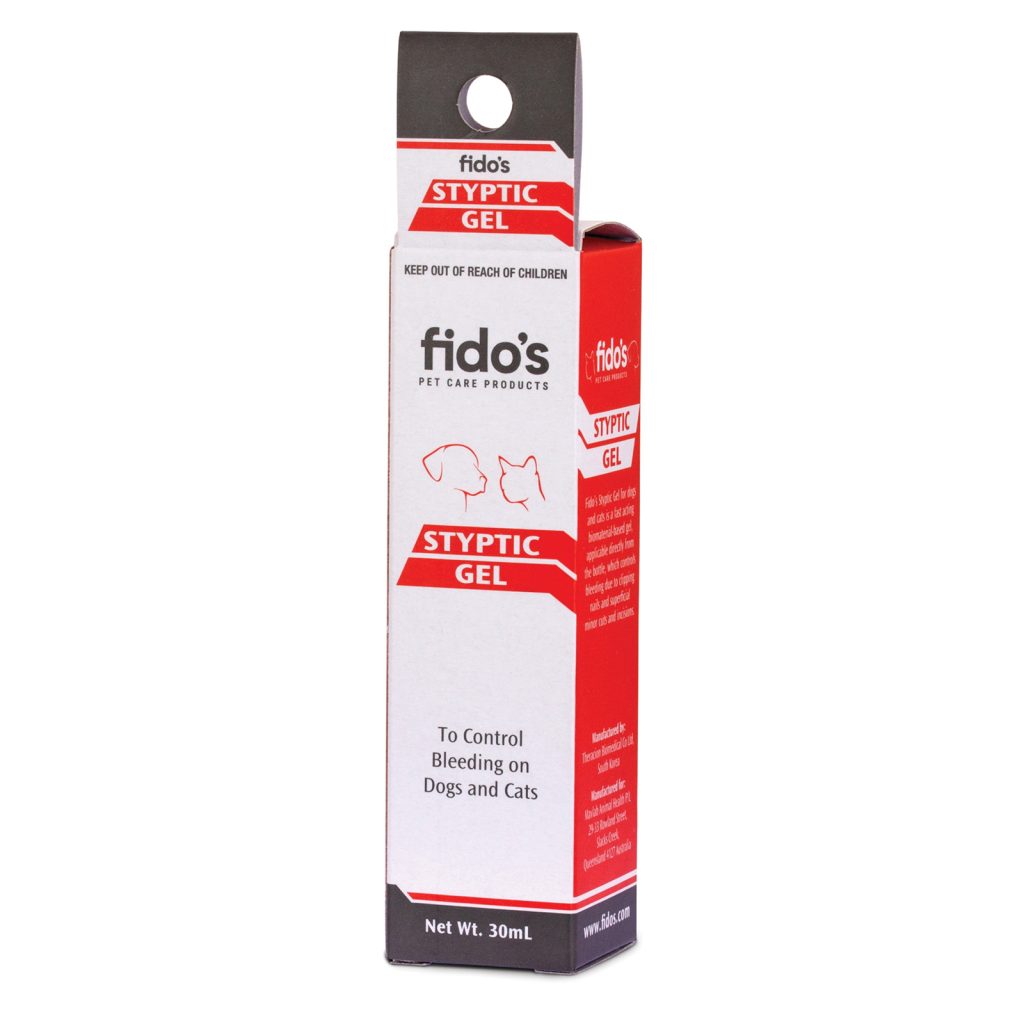
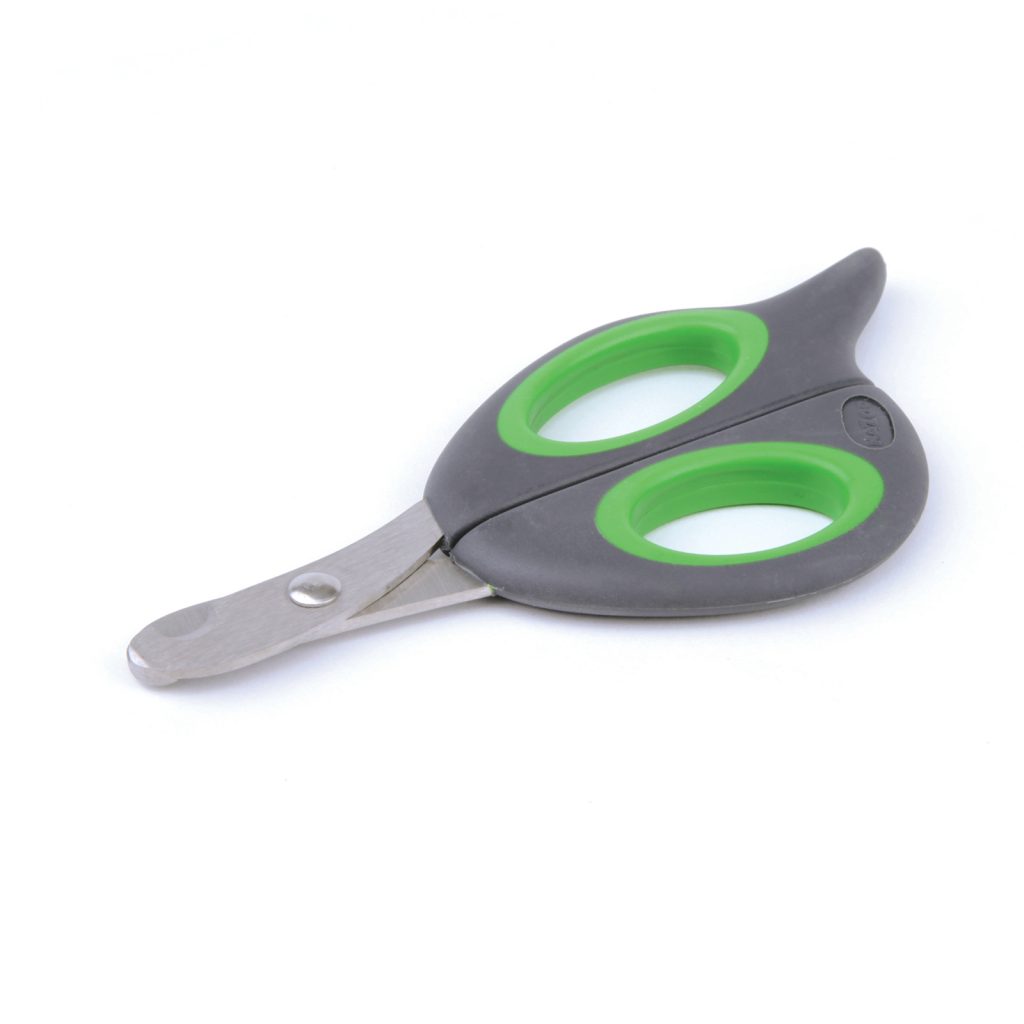
To trim your cat's nails, you will need a pair of pet nail clippers specifically designed for cats, as well as a styptic powder/solution to stop any bleeding if you accidentally cut the nail too short. You may also want to have some treats or rewards on hand to help keep your cat calm and cooperative during the process.

How to cut your cat’s nails
Step 1: Familiarise your cat with the nail clipping process
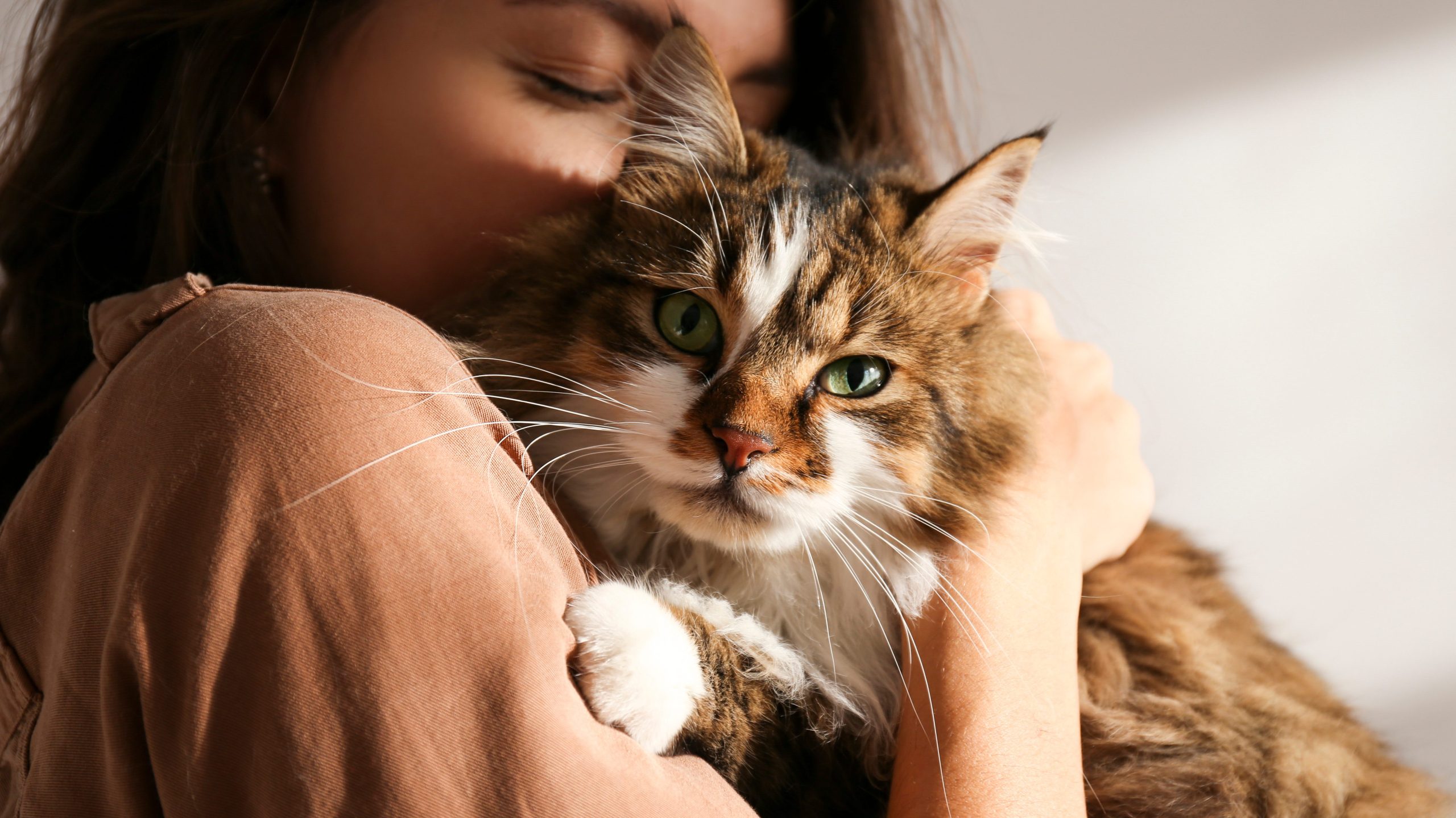
It's best to introduce your cat to the nail clipping process slowly. You can begin by petting your cat's paws gently while they're relaxed to help them get used to having their paws handled. If they're comfortable with this, you can proceed to the next step.
Step 2: Choose the right time and location
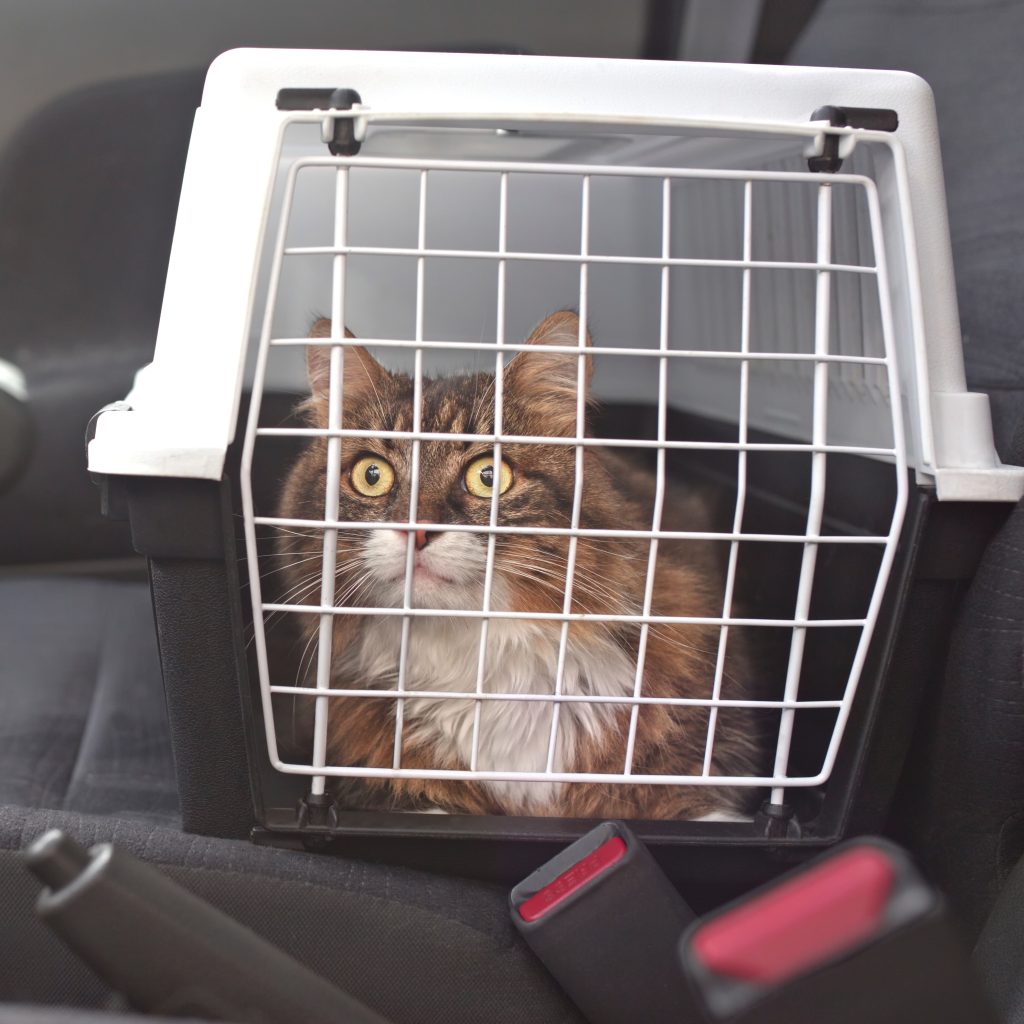
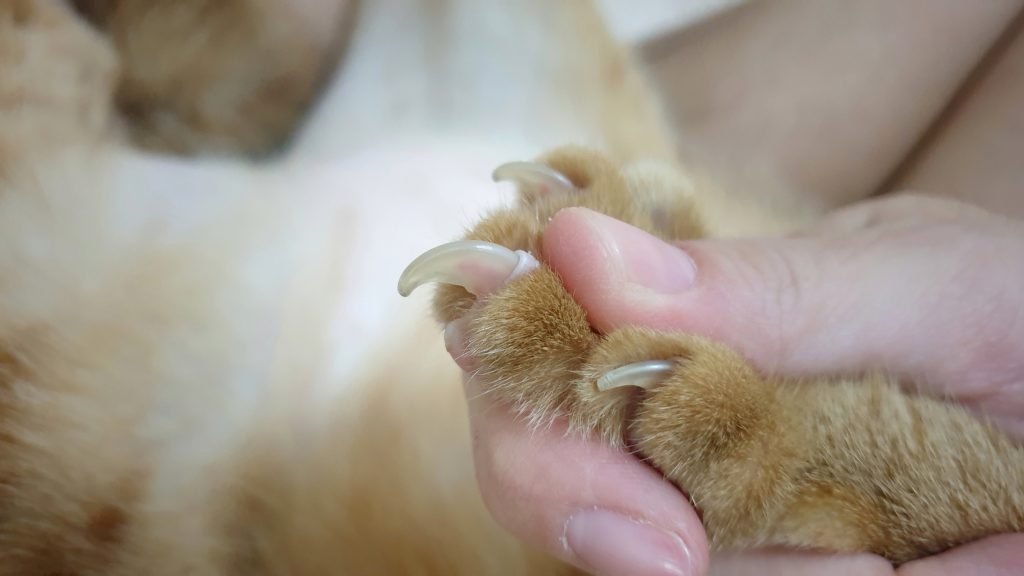
Choose a quiet, well-lit location where your cat feels comfortable. Make sure there are no distractions around that could startle your cat. Choose a time when your cat is relaxed, like after a nap or mealtime. You can also wrap your cat in a towel to make them feel secure.

Step 3: Examine the nails
Before cutting, examine your cat's nails. You'll notice that each nail has a pink part called the quick, which contains blood vessels and nerves. Avoid cutting the quick, as it can cause bleeding and pain. Cut only the white part of the nail, known as the claw. If your cat has black nails, you'll have to be extra careful as it can be difficult to see where the quick is.

Step 4: Cut the nails
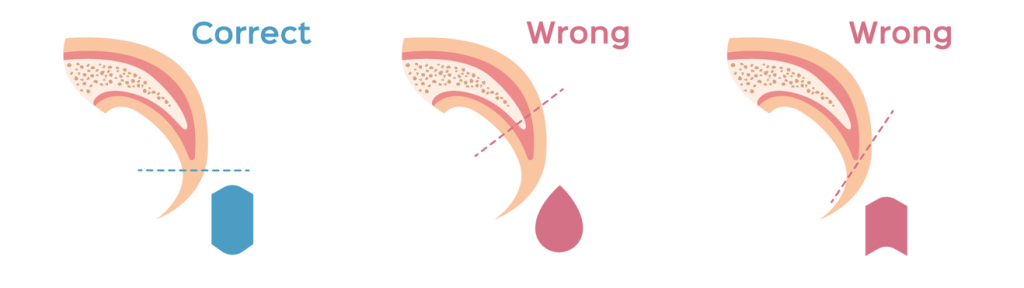
Hold your cat's paw gently, and use the nail clippers to trim the nail. Be careful not to cut the quick. It's best to make several small cuts rather than one big one to reduce the risk of cutting the quick. If you're unsure where the quick is, start by cutting off a small amount of the nail and gradually work your way up. If your cat becomes anxious or distressed, stop and try again later.
Step 5: Reward your cat
Once you're done cutting, reward your cat with treats and praise. This positive reinforcement will help them associate the nail cutting process with something positive.

The final product
Make sure to choose the right time and location, examine the nails, cut the nails carefully, reward your cat, and handle any accidents. With patience and practice, you can continue to keep your cat's nails trimmed and healthy.

What happens if I do not cut my cat's nails?
Neglecting to cut your cat's nails can lead to several negative consequences. Overgrown nails can cause discomfort and even pain for your cat, as they can curve and press into their paw pads. In severe cases, overgrown nails can also lead to ingrown nails, which can be painful and may require medical attention. Additionally, your cat's long nails can cause damage to furniture, carpets, and other surfaces in your home. They can easily snag and tear fabrics or scratch hardwood floors. Neglecting to trim your cat's nails can also increase the risk of accidental scratches to you or other pets in the home. Regular nail trims can prevent these issues and promote your cat's overall health and wellbeing.
now how to handle any accidents
Accidents happen, and you may accidentally cut the quick. If this happens, don't panic. Apply styptic gel or powder to the nail to stop the bleeding. Make sure to monitor for signs of infection, and seek veterinary care if necessary. It's also a good idea to distract your cat with treats or toys to help them forget the discomfort.
What to do if your cat is scared or agitated
Cease nail trimming immediately if you notice that your cat is getting frightened or agitated. Speak to your cat in a calm and soothing voice, pet them gently, and offer treats or a favourite toy to help calm them down. Once your cat has calmed down, resume nail trimming later, possibly the next day.


Don't be afraid to seek out your vet or groomer
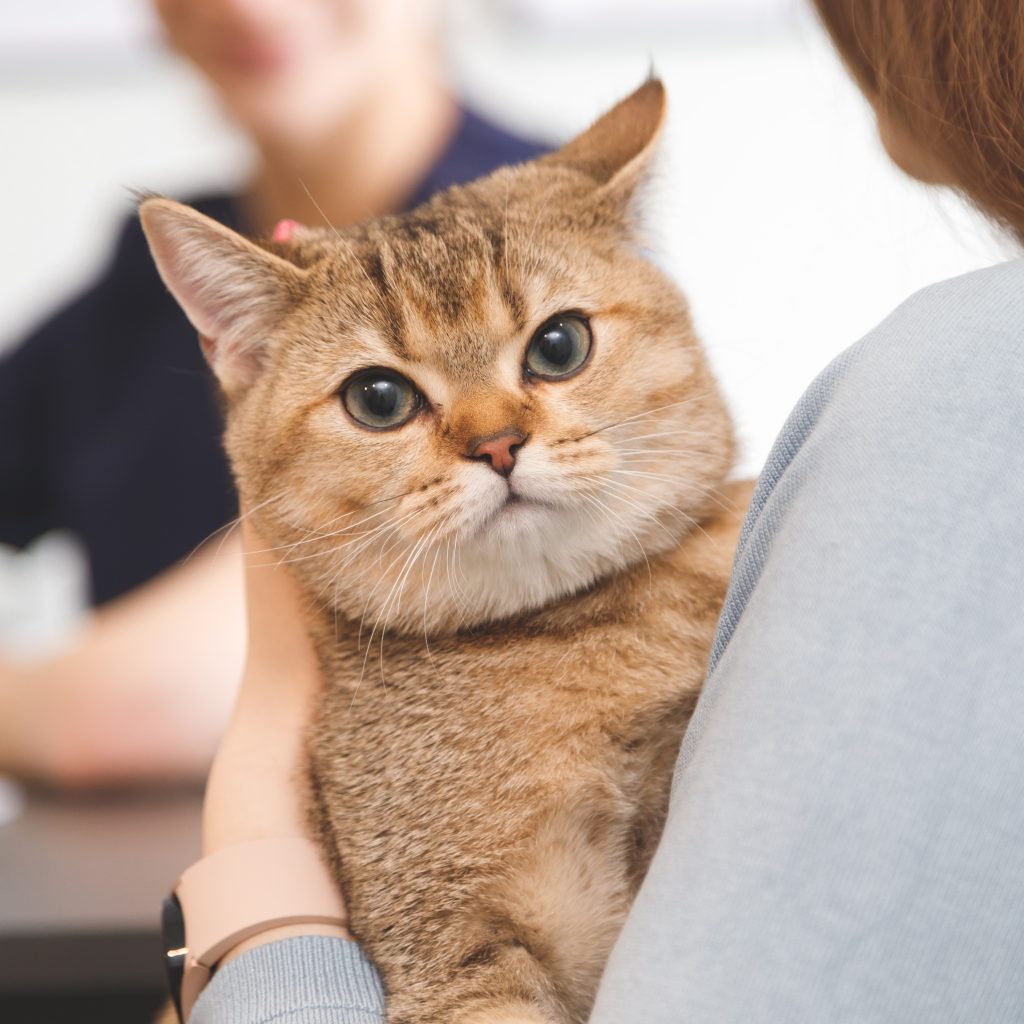
If you're unsure about how to trim your cat's nails, you can always seek help from a veterinarian or groomer. Many veterinary clinics offer nail trimming services specifically for cats, and their staff are experienced in handling cats and ensuring that the procedure is done safely and effectively.
Keep your cat's claws maintained with Budget Pet Products.
Terms:
What is a quick?
A cat's claw quick refers to the sensitive part of a cat's claw that contains nerves and blood vessels. It is located inside the hard outer sheath of the claw, and if it is cut or damaged, it can cause pain, bleeding, and discomfort for the cat. It's important to avoid cutting the quick when trimming a cat's claws.
What is styptic gel/powder?
Styptic gel for cats' nails is a topical medication that is used to stop bleeding if the quick (the sensitive part of the nail that contains nerves and blood vessels) is accidentally cut during nail trimming. The gel works by contracting the blood vessels and promoting blood clotting, thereby reducing or stopping bleeding. It is commonly used by pet owners or groomers to prevent bleeding and discomfort for the cat. Styptic gel for cats usually contains an ingredient called ferric subsulfate, which is a mineral salt that has astringent properties and helps to stop bleeding. It's important to note that while styptic gel can be effective in stopping bleeding, it's still best to avoid cutting the quick when trimming a cat's nails to prevent injury and discomfort for the cat.