Helping Your Pet Overcome Motion Sickness
February 17, 2026 By Dr Elise Barry

Motion sickness affects many pets, particularly young animals and those that feel anxious when travelling. Whether you’re transporting a dog or a cat, car travel can be an uncomfortable experience if nausea or stress is involved. The good news is that with the right approach, most pets can learn to feel calmer and more comfortable on the road.
Why Do Pets Get Motion Sickness?
Motion sickness is commonly seen in young pets, especially puppies, because the part of the inner ear responsible for balance is still developing. Until this system matures, movement during travel can easily trigger nausea.
In older pets, motion sickness is often linked to anxiety rather than physical causes. Pets that have previously felt unwell in the car may associate travel with discomfort or fear. Over time, this negative association can lead to stress-related nausea, sometimes beginning before the journey even starts.
Cats, in particular, may find travel stressful due to unfamiliar sounds, movement, and environments.
Common Signs of Motion Sickness in Pets
Pets experiencing motion sickness may show a combination of behavioural and physical signs, including:
- Vocalising or crying
- Restlessness or pacing
- Excessive drooling or salivation
- Lip smacking or frequent swallowing
- Vomiting
- Bowel release
- Lethargy or withdrawal
Recognising these signs early allows you to support your pet before symptoms escalate.
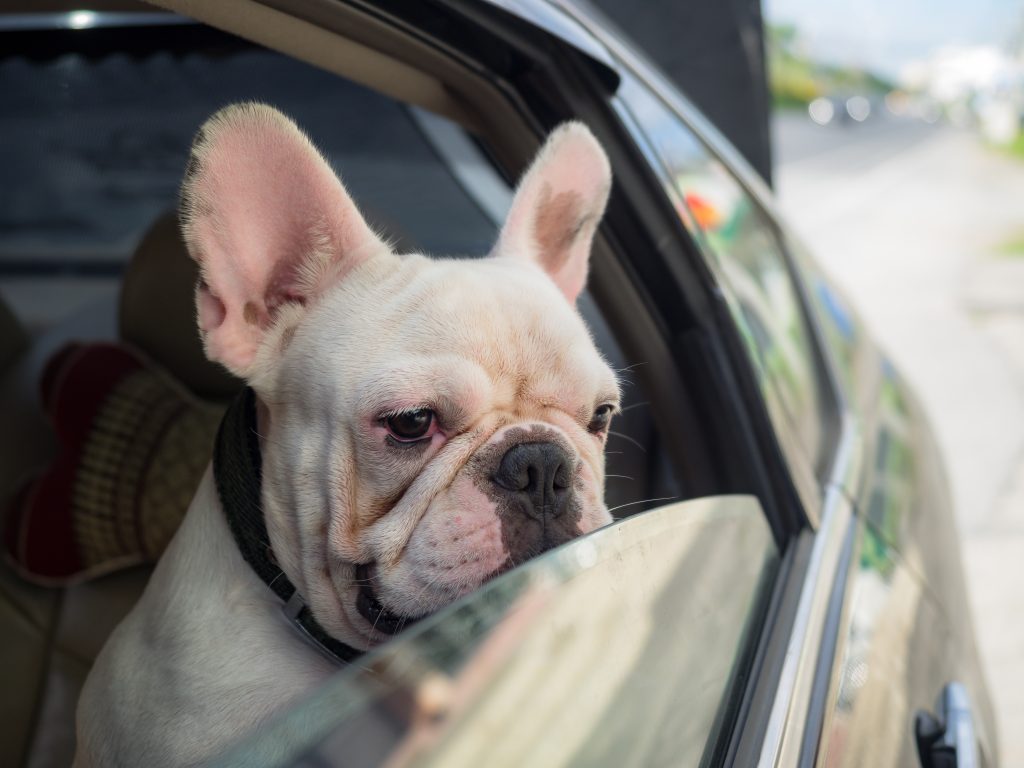
Helping Your Pet Feel Comfortable in the Car
The most effective way to help pets overcome motion sickness—especially when anxiety is involved—is gradual exposure paired with positive reinforcement. This approach works for both dogs and cats.
Step-by-Step Training Tips
- Start with a stationary car: Allow your pet to sit in the car while it’s parked and turned off
- Reward calm behaviour: Use treats, praise, or familiar items such as bedding or toys
- Introduce movement slowly: Turn the engine on without driving, then progress to very short trips
- Increase duration gradually: Extend travel time as your pet becomes more relaxed
Always move at your pet’s pace to avoid reinforcing fear or anxiety.
Safe and Supportive Travel Setups
For both comfort and safety, pets should always be securely restrained while travelling. Using appropriate travel gear not only protects your pet in the event of sudden stops or accidents but can also help them feel more settled during the journey.

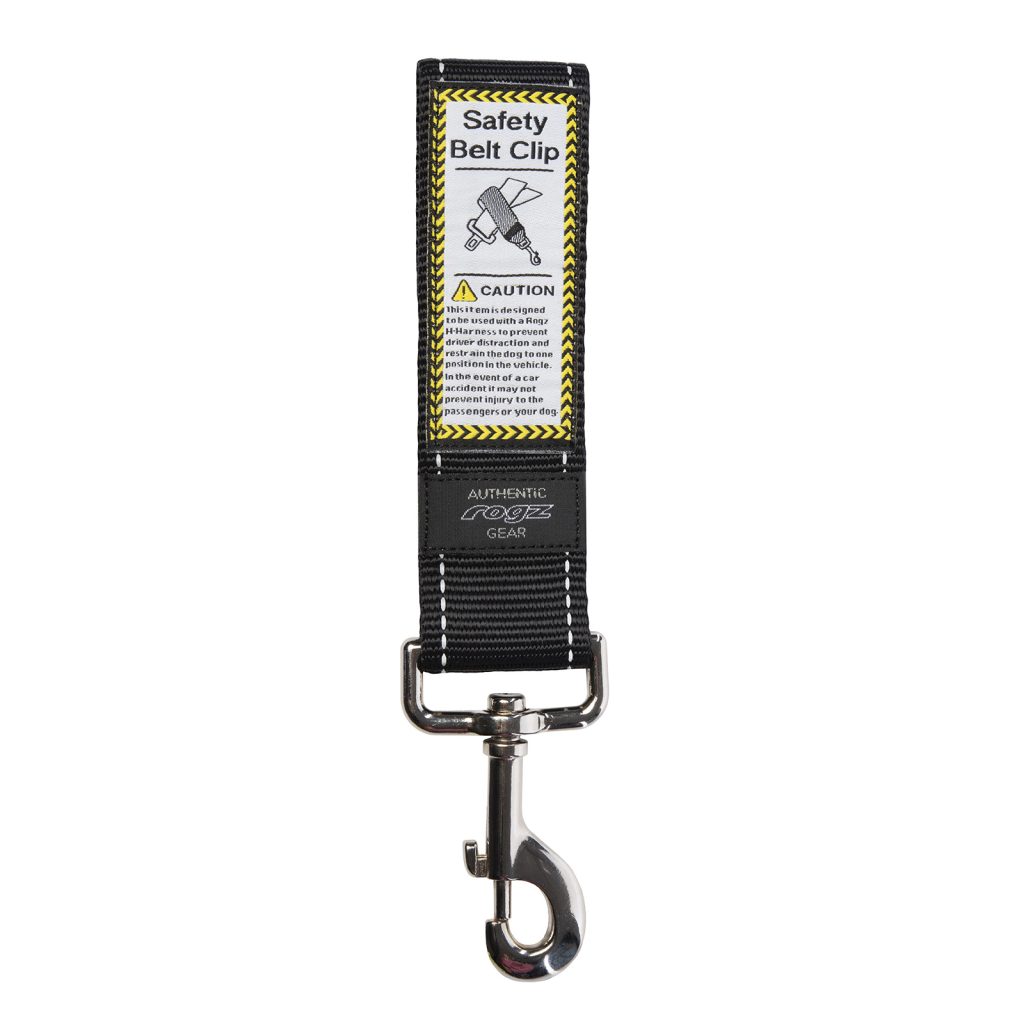
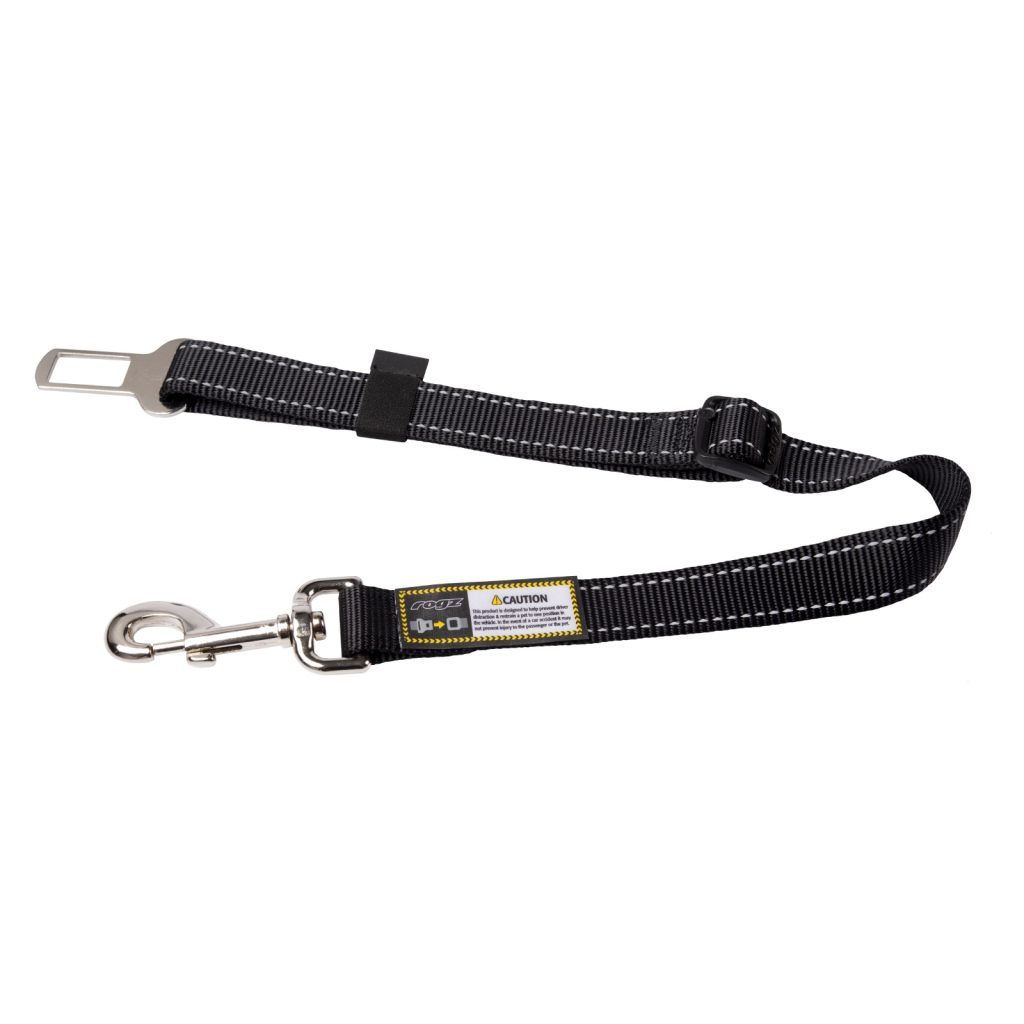
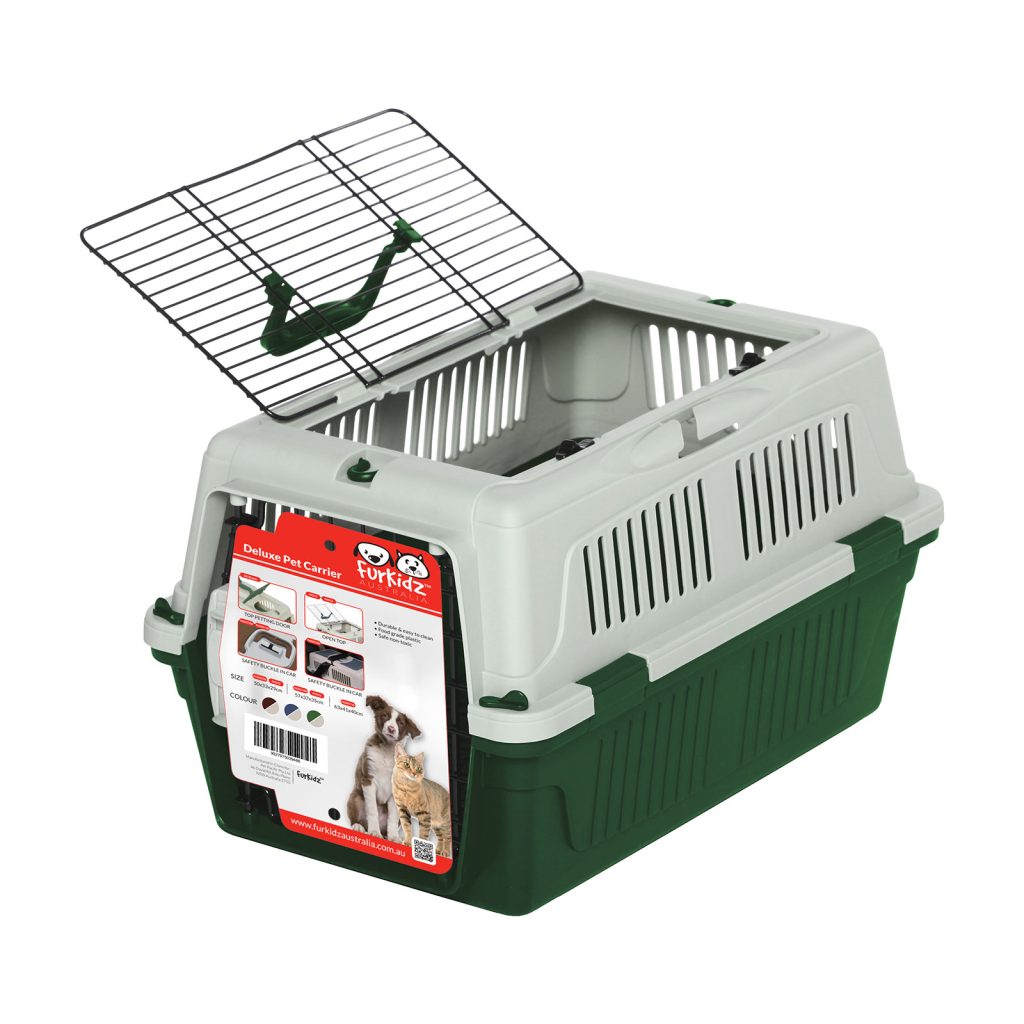
Supportive travel setups may include secure carriers for cats, harnesses or travel restraints for dogs, and comfortable bedding to reduce stress. For safe travel gear, anxiety aids, and motion sickness remedies, check out Budget Pet Products to set your pet up for calmer journeys.
Extra Support for Anxiety and Motion Sickness
Anxiety support options for pets include:
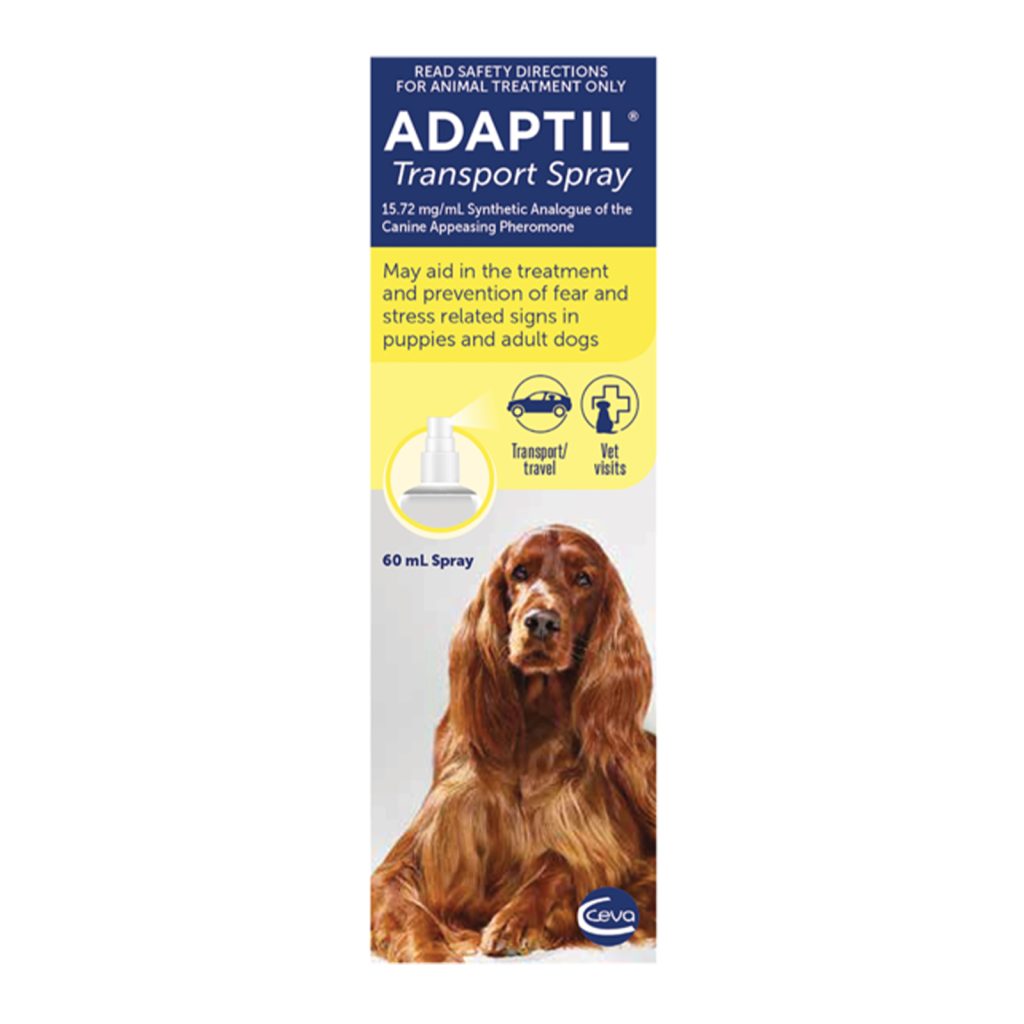
- Adaptil Transport Spray (for dogs): Helps create a calming environment during travel
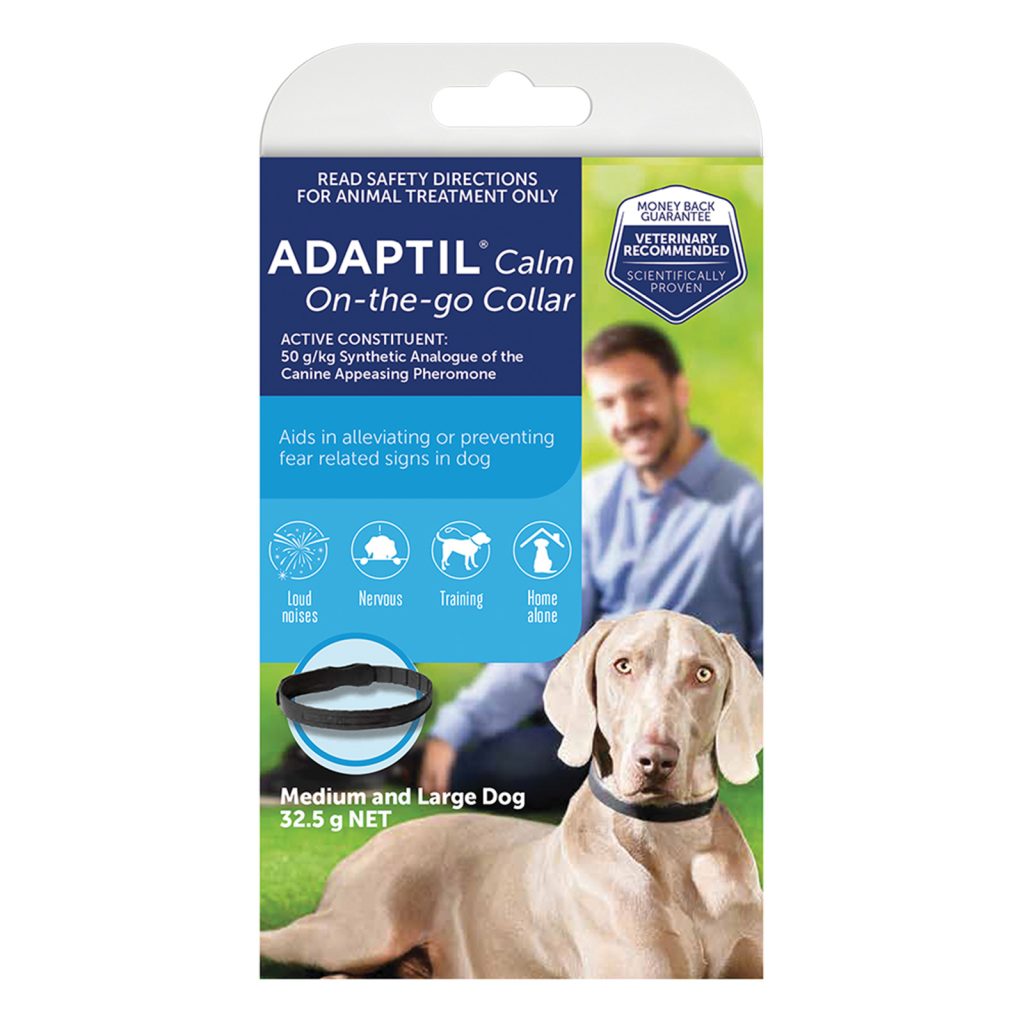
- Adaptil Collars (for dogs): Provide ongoing calming support at home and on the go
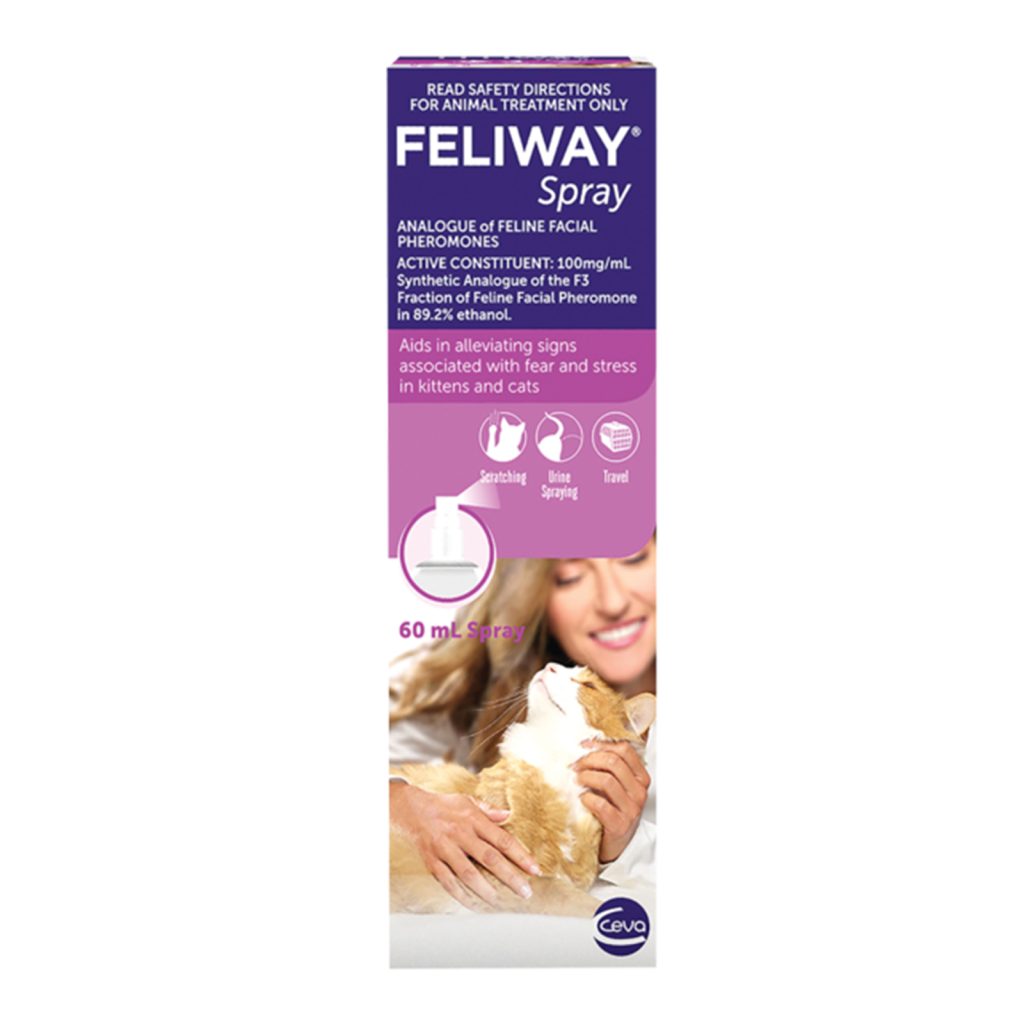
- Feliway Spray (for cats): Helps reduce stress during travel and unfamiliar situations
- Zylkene: A natural supplement that supports emotional balance in both dogs and cats

For pets prone to nausea, targeted motion sickness support may also be beneficial:
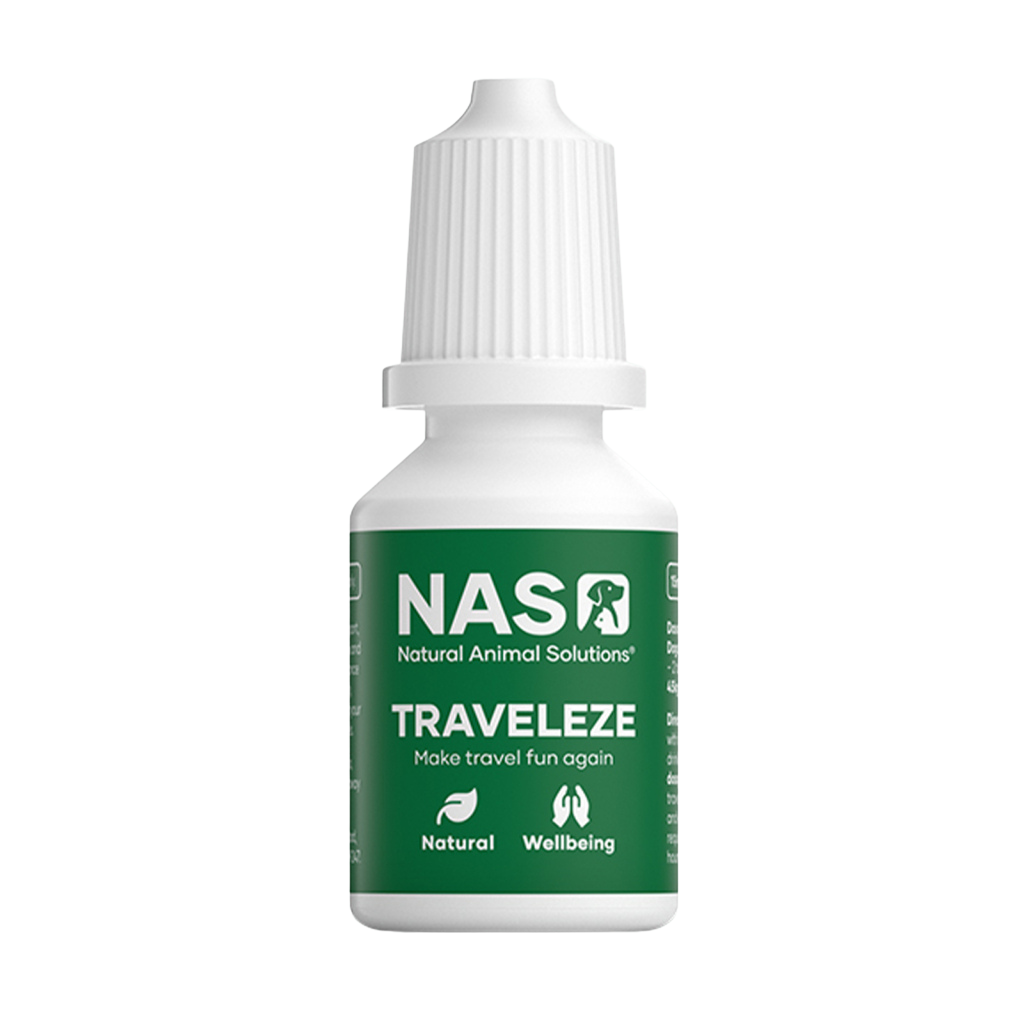
- NAS Traveleze (for dogs and cats): Designed to help manage motion sickness and support more comfortable journeys
These products are available through Budget Pet Products, making it easier to support your pet’s travel needs.
Enjoying Stress-Free Travel Together
With patience, consistency, and the right combination of training, safety, and supportive products, most pets can learn to tolerate—and even enjoy—car travel. Helping your pet feel secure and comfortable on the road makes every trip more enjoyable for both you and your furry friend.