Does your Fur Baby have Sensitive Skin?
Dogs and cats can have sensitive skin for many reasons including, allergies, incorrect nutrition, parasites, infections, and more. If your pet has poor general skin health, this may lead to skin sensitivity. Ensuring your pet has good general skin health can help prevent skin sensitivity and assist in the management of sensitive skin.
Signs your pet has sensitive skin
Excessive scratching or licking: If you notice that your pet is constantly scratching or licking certain areas of their body, it could be a sign of skin irritation or sensitivity.
Redness or inflammation: Check your pet's skin for any areas that appear red, inflamed, or irritated. These can be indicators of sensitivity or an underlying skin condition.
Dry or flaky skin: Sensitive skin can often be dry and flaky. If you notice your pet's skin is consistently dry or you see flakes of skin in their fur, it may indicate sensitivity.
Hot spots: Hot spots are localised areas of skin that are red, moist, and often painful. They can occur due to allergies or sensitivities, and constant licking or scratching can worsen the condition.
Hair loss: Sensitive skin can sometimes lead to hair loss in affected areas. Keep an eye out for any patches of missing fur or thinning coat on your pet.
Excessive shedding: While shedding is a natural process for most pets, excessive shedding can be a sign of skin irritation or sensitivity. If you notice an abnormal increase in shedding, it's worth investigating further.
Recurring ear infections: Pets with sensitive skin may also be prone to ear infections. If your pet frequently develops ear infections, it could be linked to underlying skin sensitivities.
Odour: Unpleasant odours emanating from your pet's skin or coat could be a sign of skin issues. Sensitive skin can sometimes lead to bacterial or fungal overgrowth, resulting in an odour.
Behavioural changes: Pets with skin sensitivities may exhibit behavioural changes, such as increased irritability or restlessness, due to discomfort or itchiness.
How to care for your pet’s sensitive skin
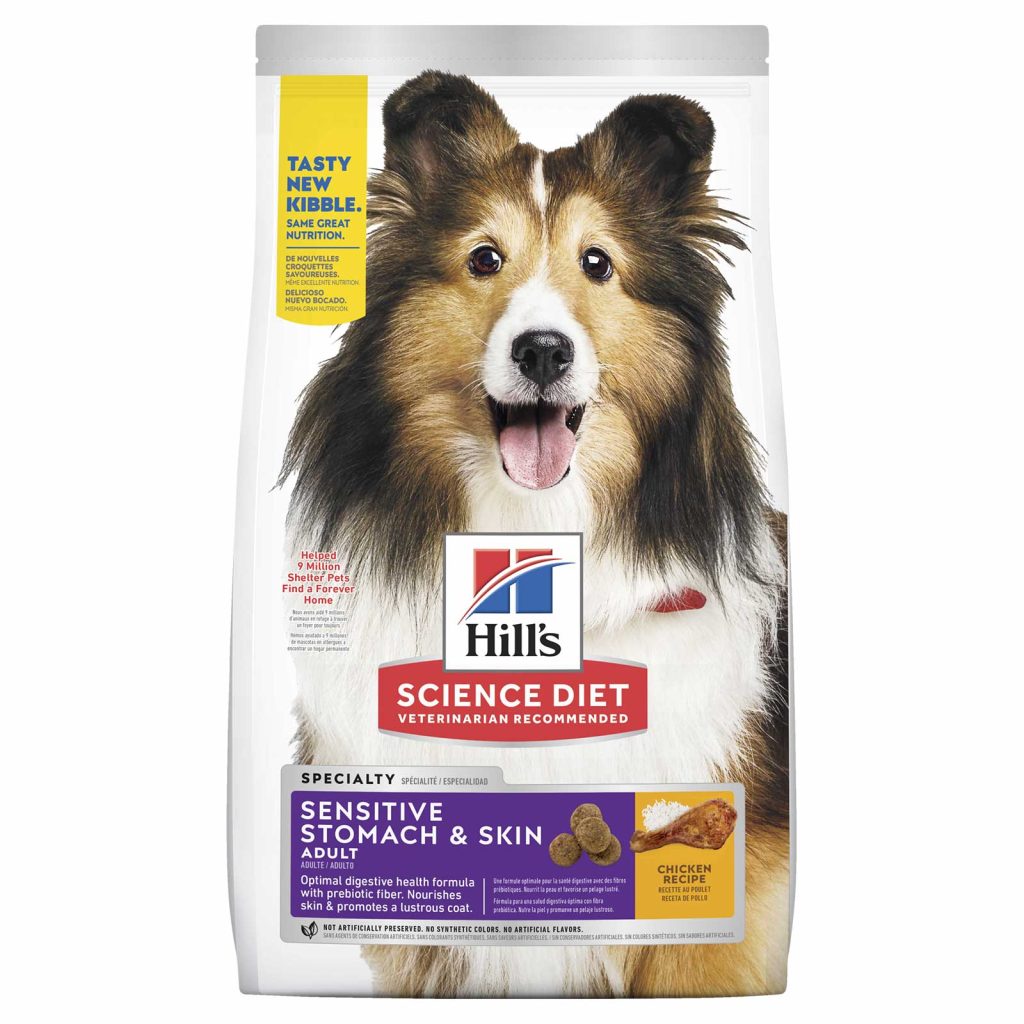
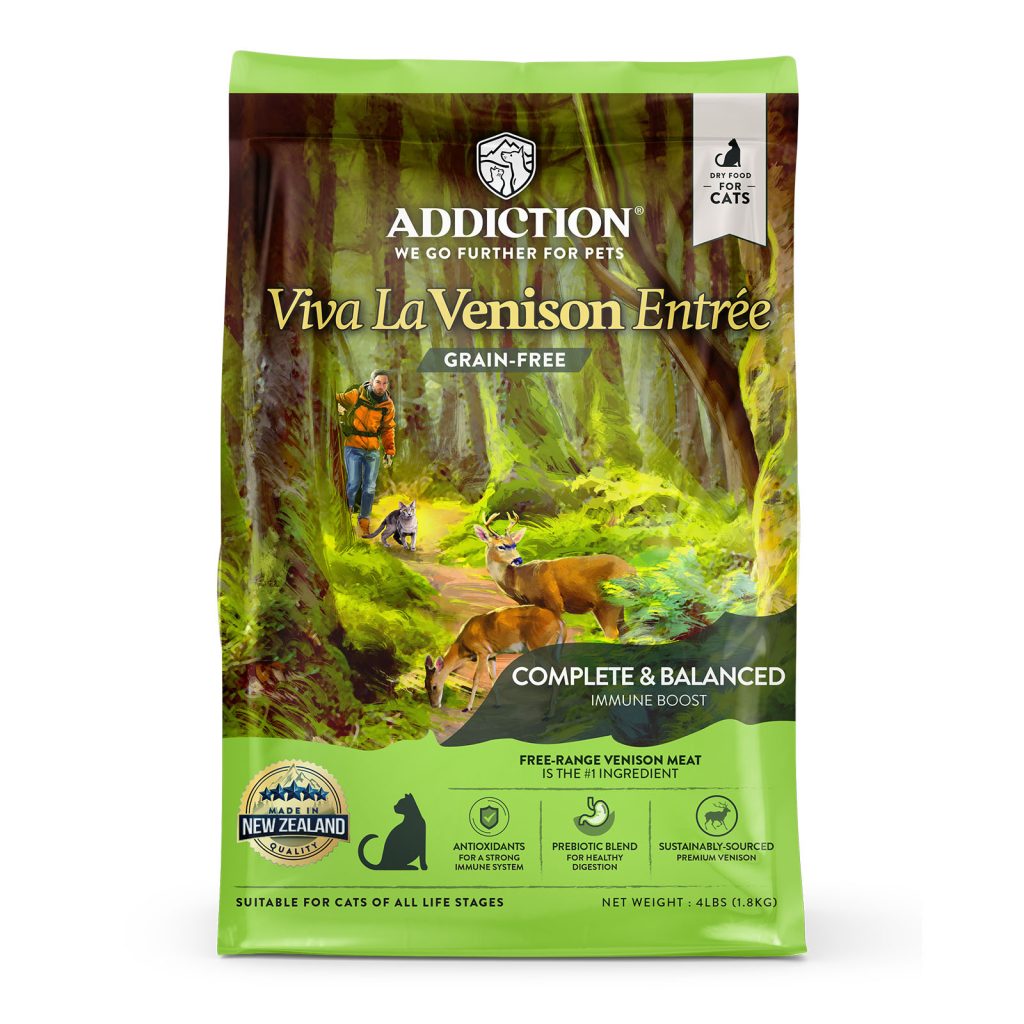
Feed your pet a premium diet that has been developed by veterinarians and animal nutritionists to address the specific needs of pet’s skin. These foods have been formulated with high quality ingredients to provide specific nutrients that aid protection, maintenance and repair of your pet’s skin.
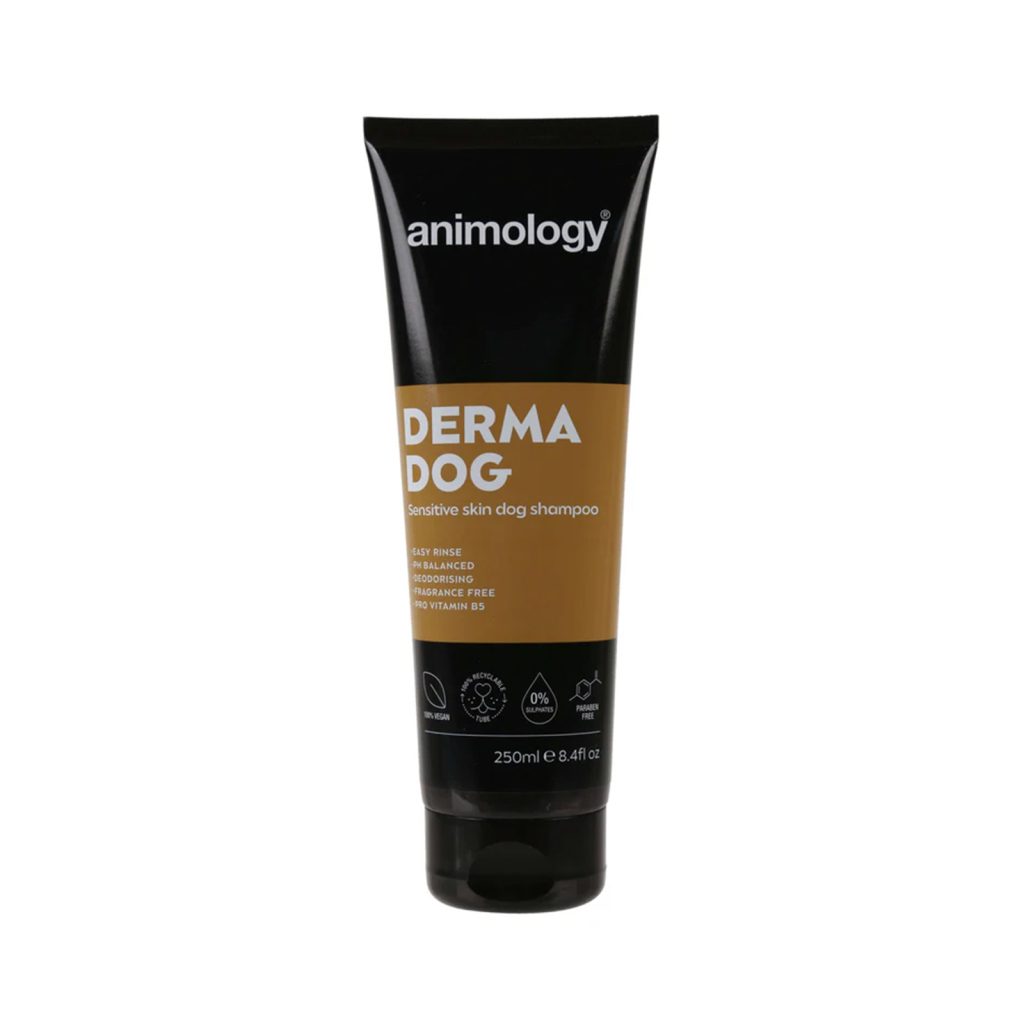
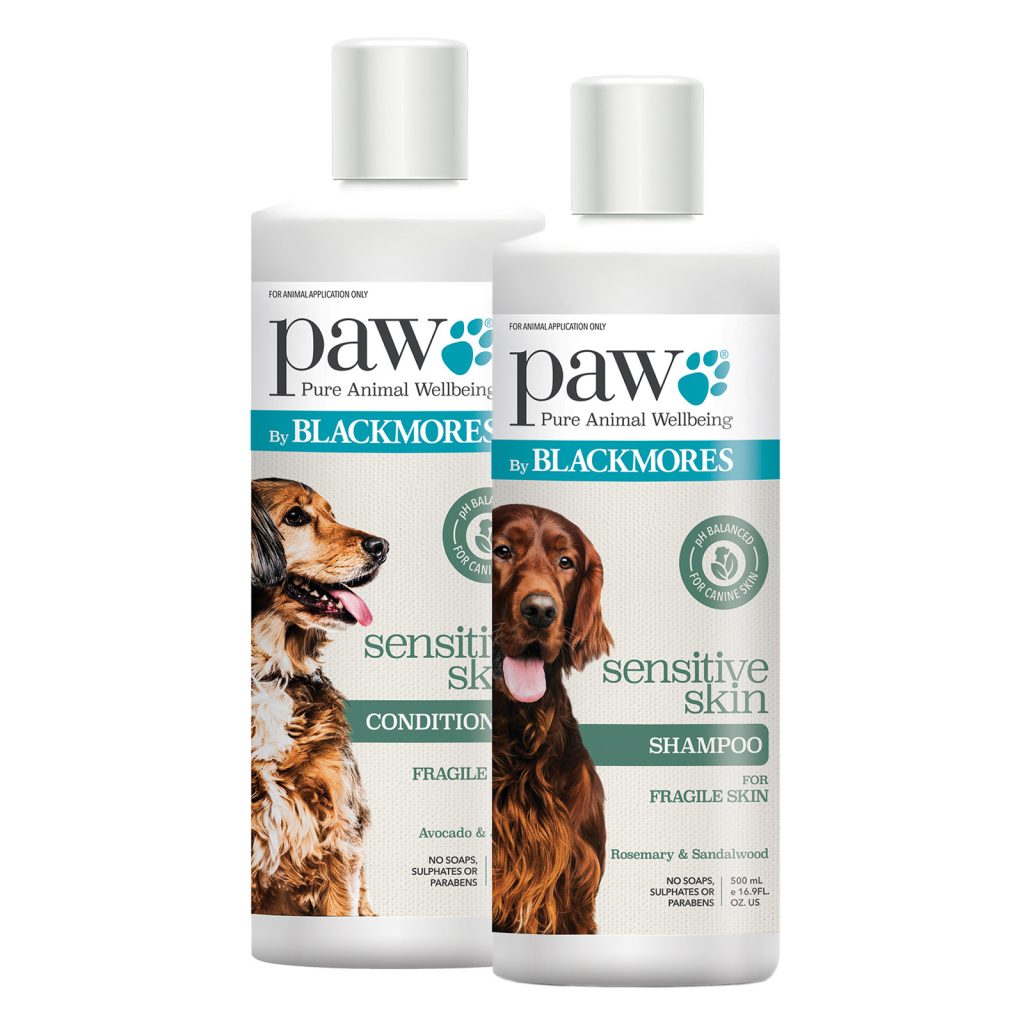
Use shampoos and conditioners that have been developed specifically for grooming pets with sensitive skin. These shampoos and conditioners have been designed to cleanse your pet without removing the protective oils from their skin, and to provide soothing and supportive care, that helps maintain the natural condition of your pet’s skin.
Supplement your pet’s skin with spot – on skin treatments that act on flaking or dry skin, oily or greasy skin, poor coat condition, hair loss and smelly skin.
Check your pet’s skin regularly for external parasites. Parasites, especially fleas, are a common trigger for skin sensitivity in pets. Ensure you use regular, good quality external parasite control on your pets.