Does My Cat Have Worms?
As a cat owner, it can be concerning when you suspect that your beloved feline companion may have worms. The thought of these internal parasites affecting your cat's health can be worrisome. In this article, we will explore the symptoms of worms in cats, the different types of worms they may have, how to treat them, and steps to prevent reoccurrence.
If you suspect your cat may have worms, it is essential to consult with your veterinarian for a proper diagnosis and treatment plan. Additionally, you can find a range of products to help address worm infestations at Budget Pet Products.

What are the Symptoms of Worms in Cats?
Cats infected with worms may exhibit various symptoms. It is important to be aware of these signs to identify and address the issue promptly. Here are some common symptoms of worms in cats:
Increased Appetite and Weight Loss
Cats with worms may experience an increased appetite but still exhibit weight loss or a failure to gain weight. The presence of worms in the digestive tract can interfere with the cat's ability to absorb nutrients properly.
Vomiting
Frequent vomiting, especially with the presence of worms in vomit, can be a sign of a worm infestation. The irritation caused by worms in the gastrointestinal tract can lead to vomiting.
Diarrhea
Diarrhea, sometimes containing worms or segments of worms, is a common symptom of certain worm infestations. It can range from mild to severe and may be accompanied by other gastrointestinal disturbances.
Lethargy and Weakness
Cats with worm infestations may appear lethargic, lacking energy, and exhibiting weakness. The drain on their body from the parasites can cause fatigue and decreased activity levels.
Visible Worms or Eggs
In some cases, you may notice visible worms or their eggs in your cat's feces or around their anus. These may appear as small white or brown worms or as rice-like segments.
What Types of Worms Does My Cat Have?
Cats can be affected by different types of worms, each with its own characteristics. Here are some common types of worms that cats may have:
Roundworms
Roundworms are one of the most common types of worms in cats. They resemble spaghetti and can be found in the cat's feces or vomit. Kittens can acquire roundworms from their mother's milk.
Tapeworms
Tapeworms are flat, segmented worms that can be found in the cat's intestines. They may appear like small grains of rice or cucumber seeds in the cat's feces or around the anus.
Hookworms
Hookworms are small, thin worms that attach themselves to the cat's intestinal lining and feed on blood. They can cause anemia and may be detected through microscopic examination of the cat's feces.
Whipworms
Whipworms are less common in cats but can still be problematic. They are thin, whip-like worms that reside in the large intestine and can cause diarrhea, weight loss, and general debilitation.
Heartworms
Heartworms are transmitted through mosquito bites and primarily affect dogs. While rare in cats, they can be a serious health concern if contracted. Testing and preventative measures are essential.
How to Treat Cat Worms
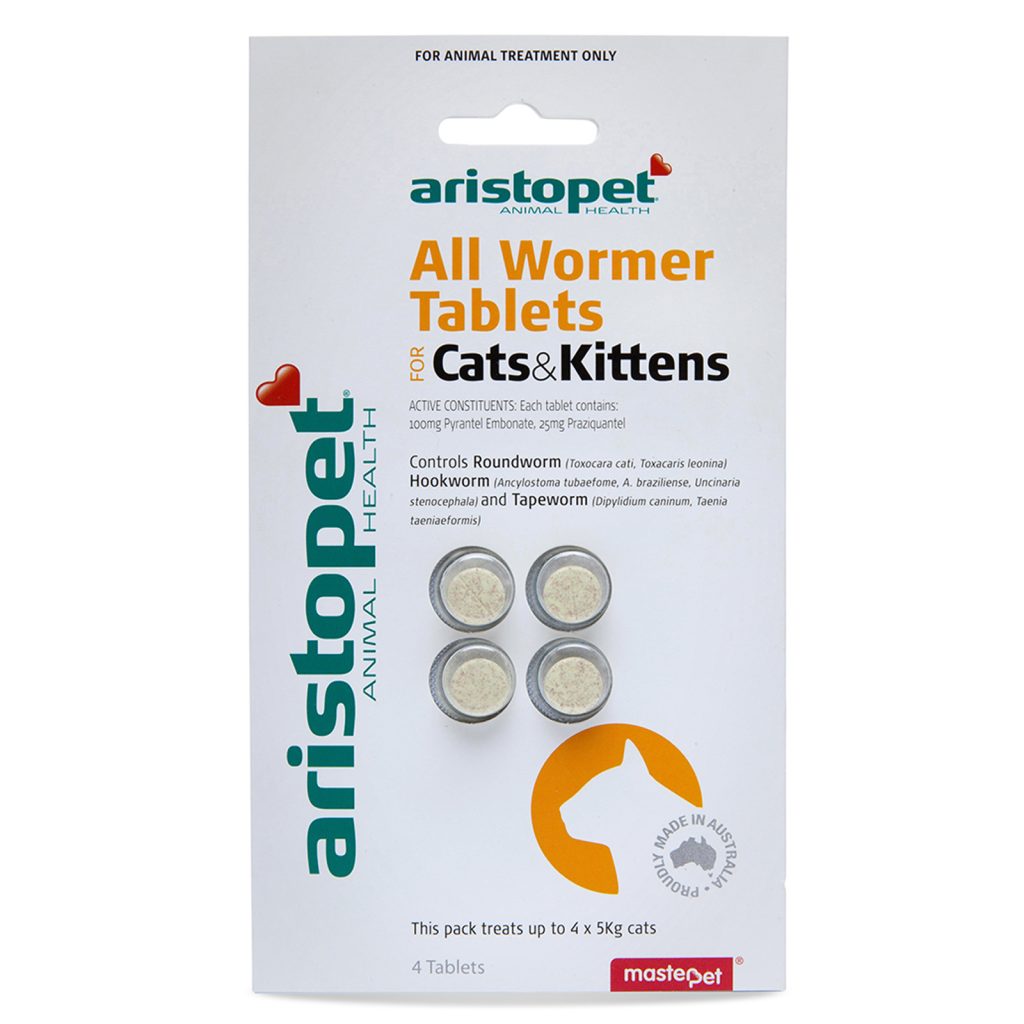
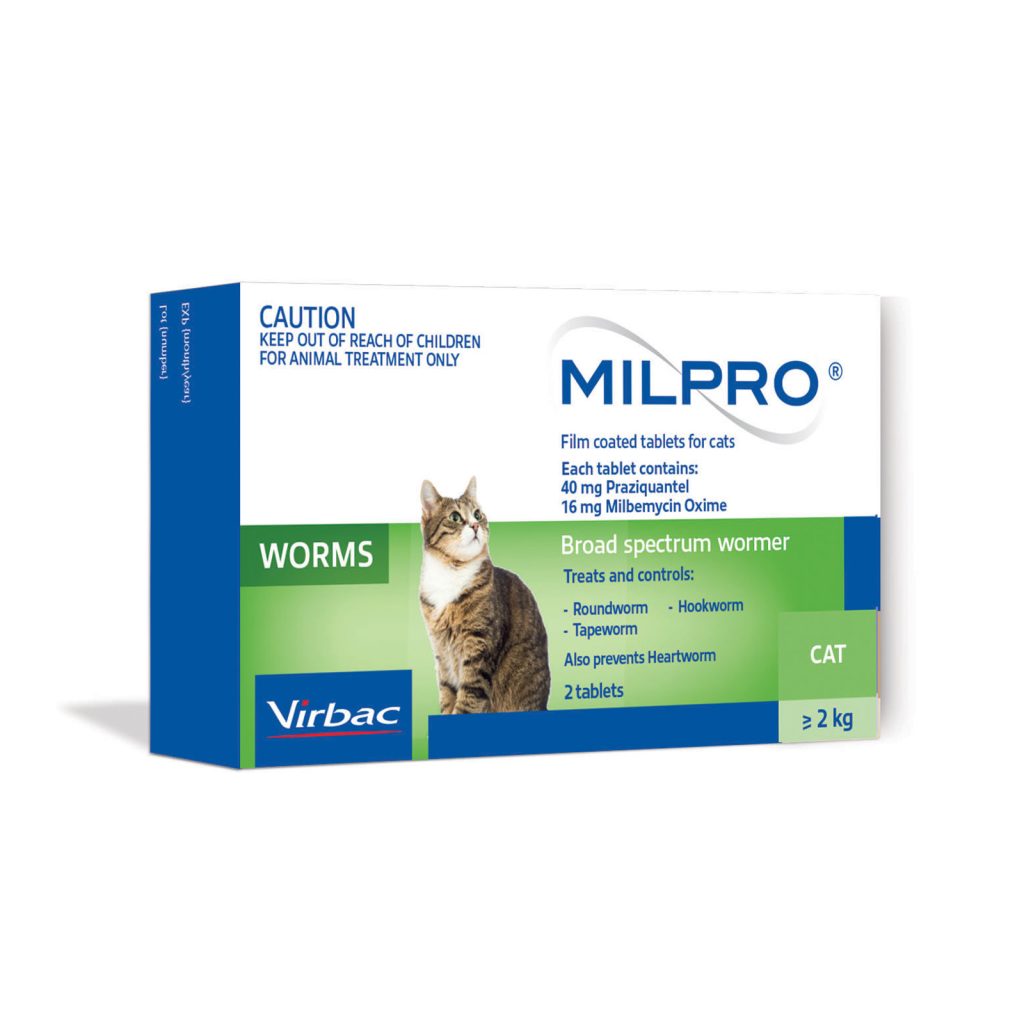
To treat cats with worms, pet owners can use high-quality wormer products ensuring they are administered considering the recommended dosage and duration. Completing the full course is crucial, even if symptoms improve.
It is also essential to practice good hygiene, clean the litter box regularly, and wash hands after handling. Treat all pets in the household to prevent cross-contamination.
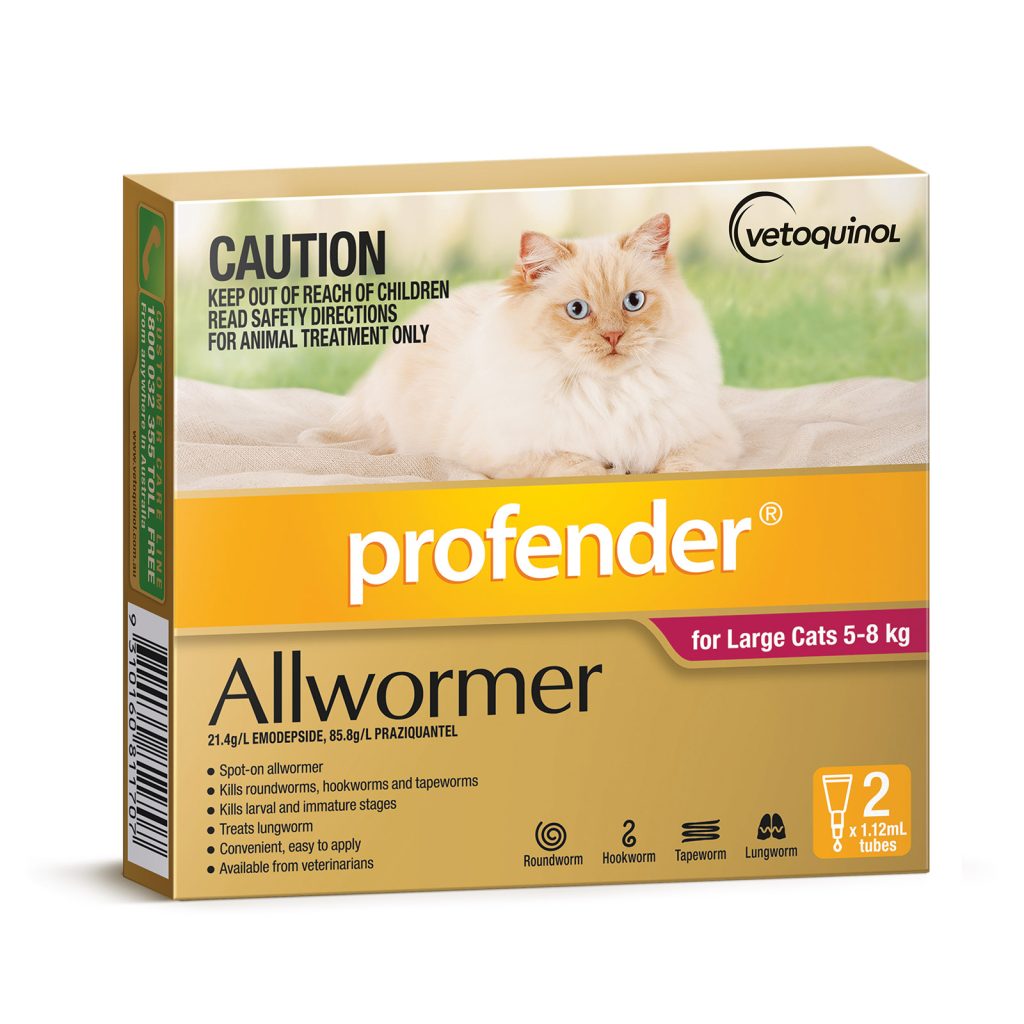
Top Recommended Wormers for Cats:
How to Prevent Cat Worms From Reoccurring
Preventing the recurrence of cat worms is important for maintaining your cat's health. Regular deworming treatments help eliminate any existing worms and prevent new infestations.
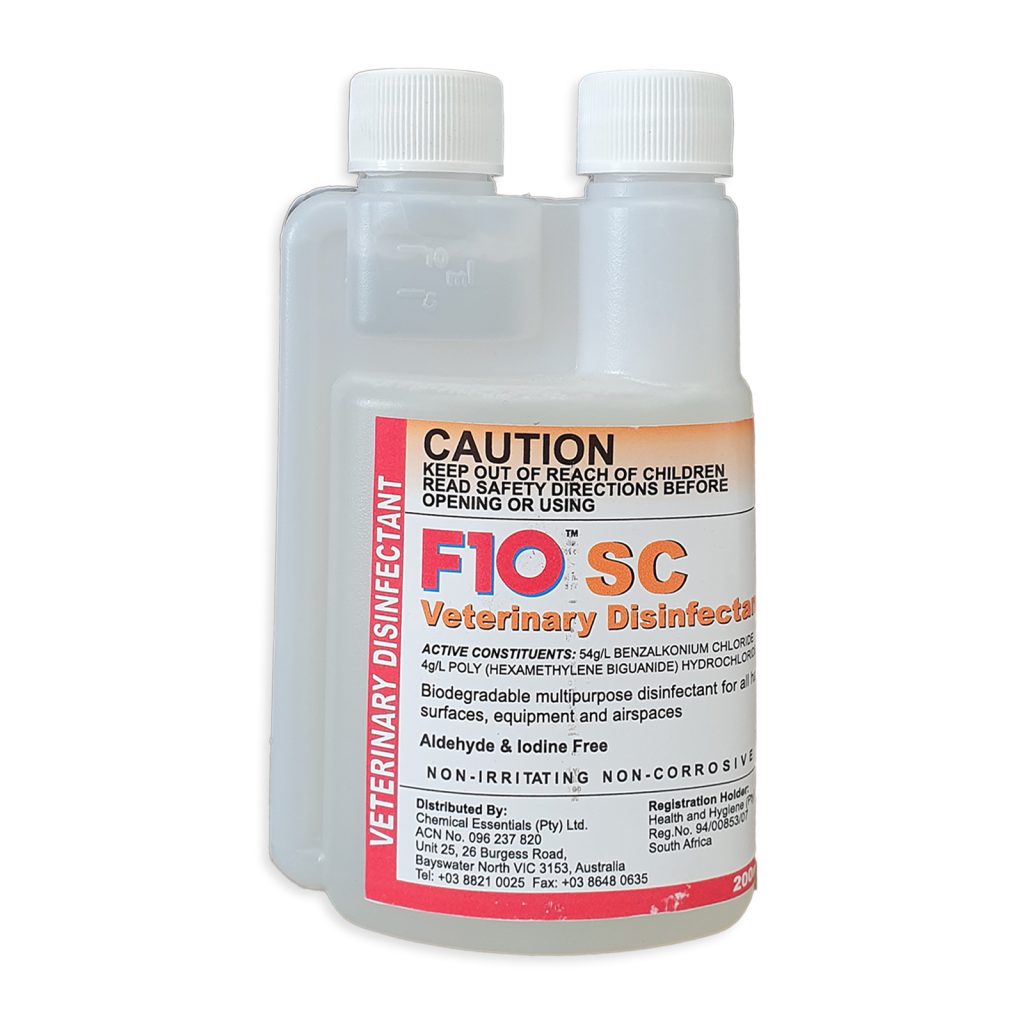
Maintain a clean and hygienic living environment for your cat by maintaining a clean and hygienic living environment for your cat. Regularly clean and sanitise their litter box, bedding, toys, and resting areas. Properly dispose of cat feces to prevent the spread of worms.
Take proactive steps to control potential sources of worm infestations. Regularly treat your cat for fleas, as fleas can transmit certain types of worms. Keep your cat's environment free from rodents, as they can also carry worms.


How Did My Cat Get Worms in the First Place?
Cats can get worms through various means, including:
Ingesting Infected Animals: Cats can become infected with worms by hunting and eating prey such as rodents or birds that carry worm larvae or eggs.
Contaminated Environment: Cats can pick up worm eggs or larvae from contaminated soil, faeces, or surfaces they come into contact with during outdoor activities.
Fleas and Parasites: Some worms can be transmitted to cats through fleas or other parasites that carry worm larvae. When cats groom themselves, they may accidentally swallow infected fleas or parasites.
Mother-to-Kitten Transmission: Kittens can acquire worms from their mother through the placenta or during nursing, as certain worms can be passed from mother to offspring.
Find More from Budget Pet Products
At Budget Pet Products, we understand the importance of maintaining your cat's overall health and addressing any worm infestations they may have. That's why we offer a comprehensive range of products designed to meet your cat's specific needs.
Our selection includes highly effective deworming treatments and other related products that can keep your feline companion happy and healthy. With our commitment to quality and affordability, you can trust that you'll find the right solutions to tackle worm infestations and support your cat's well-being. Explore our wide range of options and give your cat the care they deserve with Budget Pet Products.