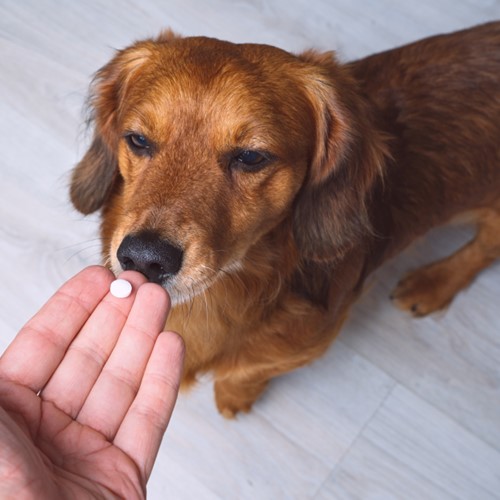
A Guide to Joint Pain in Dogs
As pet owners, we all want our dogs to be healthy and happy. However, as our furry friends age, it's not uncommon for them to experience joint pain. Joint pain in dogs can be caused by a variety of factors, including genetics, injury, or arthritis. If you suspect that your dog is suffering from joint pain, here's a guide to help you understand the symptoms, causes, and treatment options available.

Symptoms of Joint Pain in Dogs
The symptoms of joint pain in dogs can vary, but some of the most common signs include:
- Reluctance to move, climb or jump
- Walking stiffly
- Limping or lameness in one or more legs
- Licking at joints due to pain
- Loss of interest in walks and play
- Aggression when touched
If your dog is experiencing any of these symptoms, it's important to consult with your veterinarian. They can help determine the cause of the joint pain and recommend the best treatment options for your dog.
Causes of Joint Pain in Dogs
There are several factors that can contribute to joint pain in dogs. Some of the most common causes include:
Genetics: Certain breeds of dogs, such as Labrador Retrievers and German Shepherds, are more prone to joint problems.
Injury: Trauma to the joint, such as a fracture or dislocation, can cause joint pain.
Obesity: Extra weight puts added stress on the joints, which can lead to joint pain and arthritis.
Arthritis: Arthritis is a degenerative condition that causes inflammation in the joints. It's one of the most common causes of joint pain in dogs.
Infection: In rare cases, joint pain can be caused by an infection in the joint.
Treatment Options for Joint Pain in Dogs
The treatment options for joint pain in dogs will depend on the underlying cause of the pain. Some of the most common treatment options include:
Medication: Pain medication, such as nonsteroidal anti-inflammatory drugs (NSAIDs), can help reduce inflammation and relieve pain.
Supplements: Glucosamine, chondroitin, omega fatty acids and certain herbal supplements can help support joint health and reduce inflammation.
Weight Management: If your dog is overweight, weight management can help reduce the stress on their joints and alleviate joint pain.
Physical Therapy: Physical therapy, such as massage and hydrotherapy, can help improve mobility and reduce pain.
Surgery: In severe cases, surgery may be necessary to repair or replace a damaged joint.
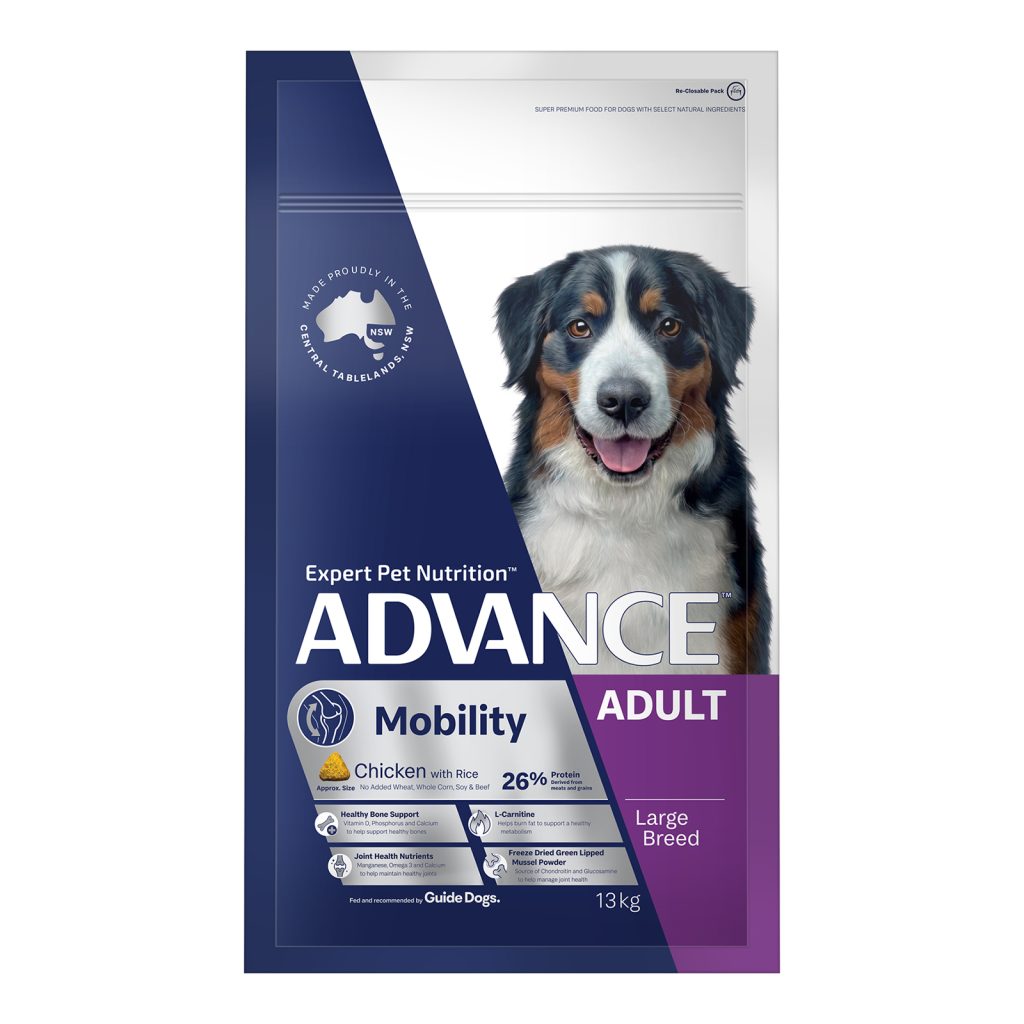
Best Dog Products for Joint Health





Preventing Joint Pain in Dogs
While not all cases of joint pain can be prevented, there are several things you can do to help reduce the risk of joint pain in your dog:
Maintain a healthy weight: Keeping your dog at a healthy weight can really help reduce the stress on their joints.
Exercise regularly: Regular exercise can help keep your dog's joints healthy, improve their muscle strength and reduce the risk of joint problems.
Provide a balanced diet: Feeding your dog a balanced diet that is rich in specific nutrients can help support joint health.
Schedule regular check-ups: Regular check-ups with your veterinarian can help detect joint problems early and prevent further damage.
Joint problems in dogs can be a painful and debilitating condition. However, with proper treatment and management, many dogs live happy and active lives. If you suspect that your dog is suffering from joint pain, don't hesitate to consult with your veterinarian to determine the best course of action.